
Space Debris, Traffic Rules and Constellation Politics — 2026-09-03
A Chinese Long March 6C rocket stage fragmented in orbit this week, creating a debris cloud near the Starlink constellation, while ESA's final Cluster satellites completed controlled re-entries, revealing significant errors in atmospheric density models. Meanwhile, Astroscale signed a contract with Isar Aerospace for its next debris removal mission, signaling growing commercial viability for active debris removal.
Space Debris, Traffic Rules and Constellation Politics — 2026-09-03
Top developments
Long March 6C Fragmentation Creates Debris Cloud Near Starlink
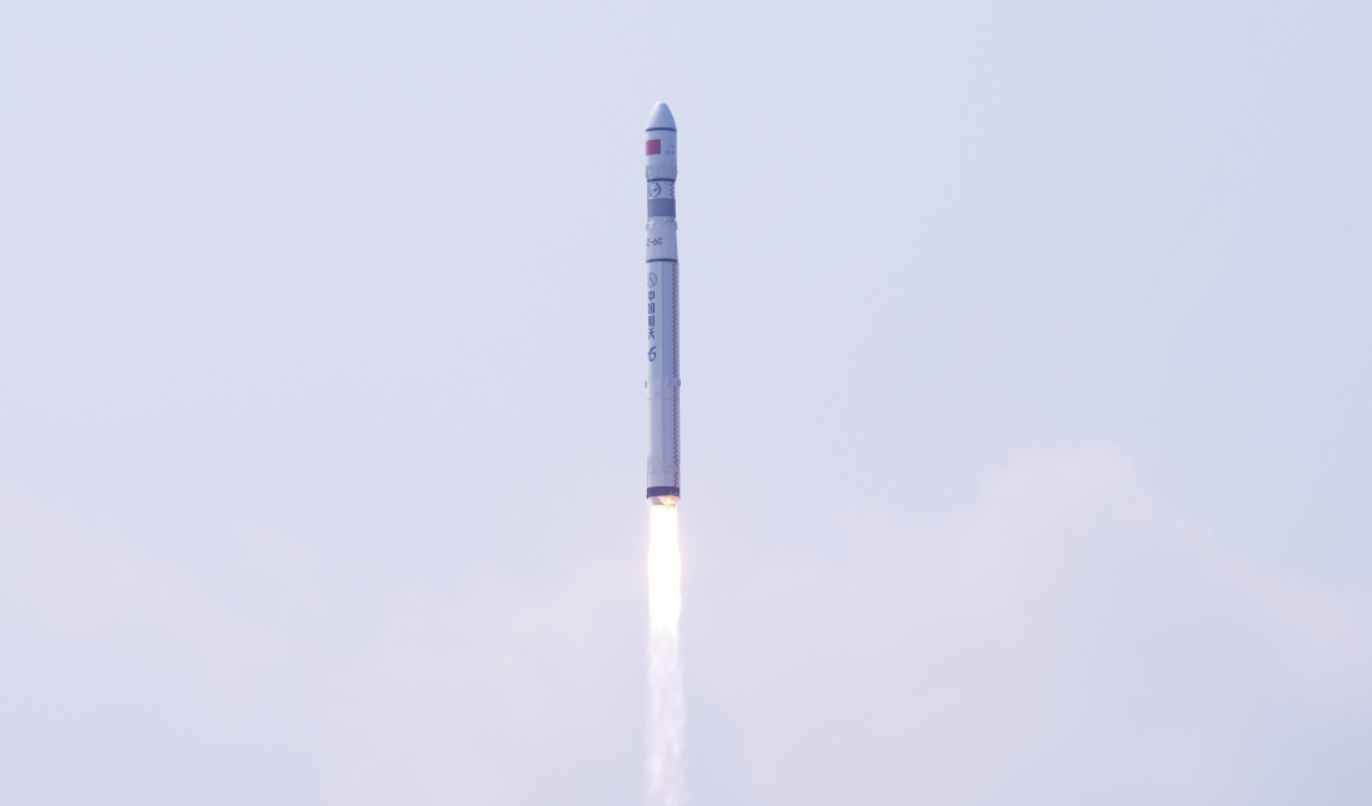
On August 25, 2026, a Chinese Long March 6C rocket upper stage fragmented in orbit shortly after delivering a seven-satellite rideshare mission. LeoLabs radar tracking detected "tens to hundreds of fragments," posing an immediate conjunction risk to the dense Starlink constellation in low-Earth orbit. This event underscores the persistent failure of passivation protocols for rocket bodies and increases the operational burden on collision avoidance systems for thousands of active satellites.
ESA Cluster Re-entries Expose Atmospheric Density Model Flaws
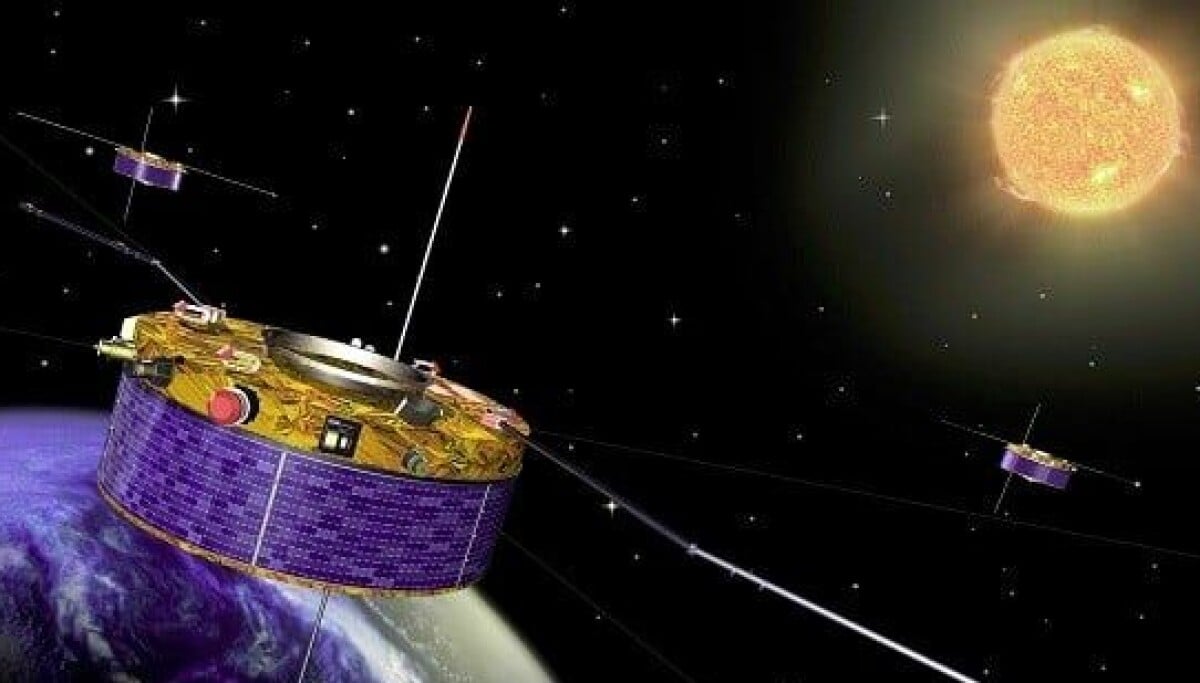
The European Space Agency’s Cluster mission concluded on September 1, 2026, with the re-entry of its final two satellites, Samba and Tango, over the South Pacific. Data from these controlled re-entries revealed that standard atmospheric density models may underestimate drag by up to 20 percent. This discrepancy threatens the accuracy of casualty-risk certifications and orbital lifetime predictions for all satellites currently in orbit, potentially invalidating compliance with FCC and EU deorbit mandates that rely on precise decay calculations.
Astroscale Signs Launch Contract with Isar Aerospace for ADRAS-J2
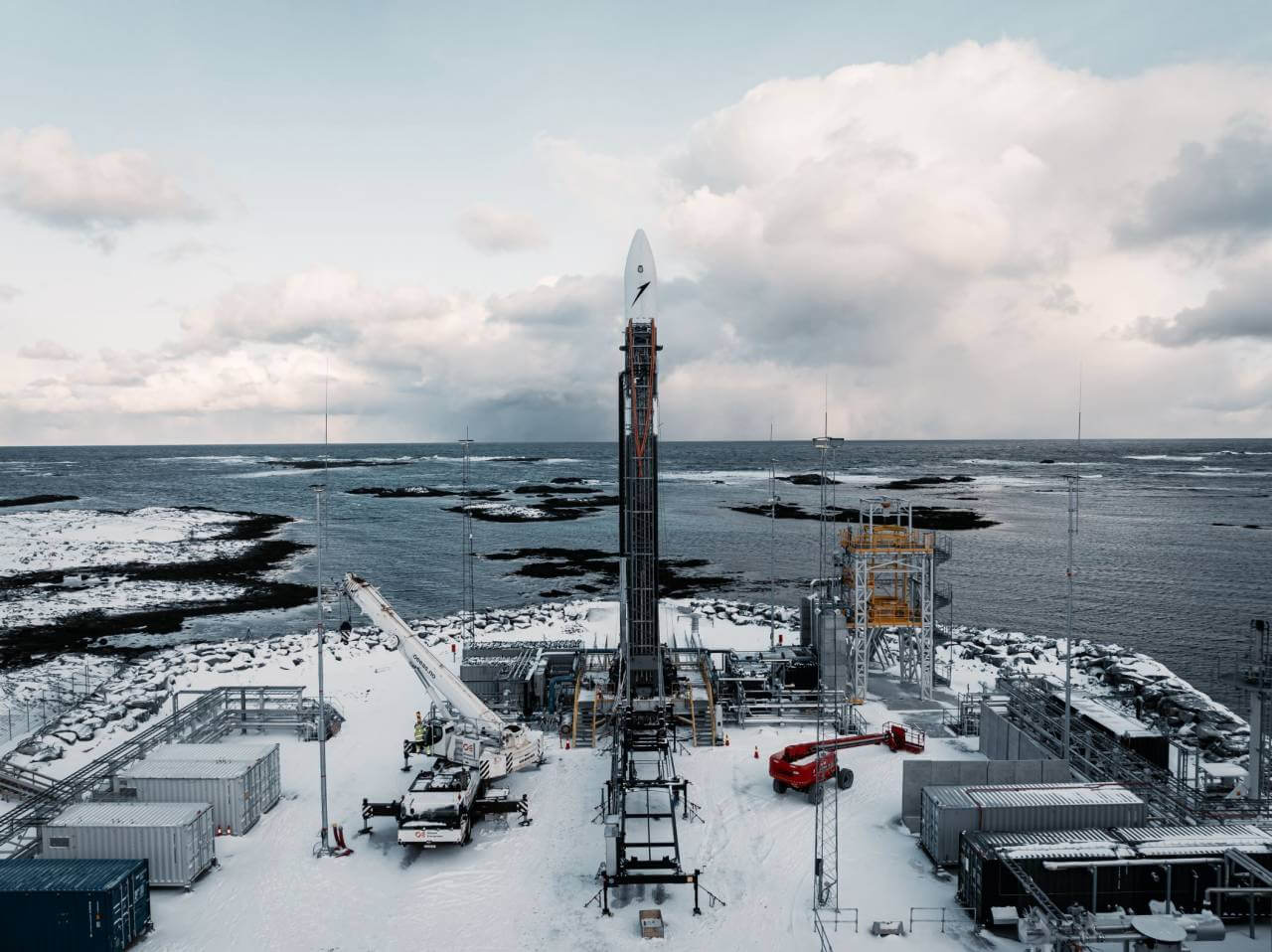
On September 1, 2026, Japanese debris removal company Astroscale announced a launch contract with European provider Isar Aerospace for its ADRAS-J2 mission. Scheduled to launch on the Spectrum rocket from Andøya Spaceport, this mission represents Phase I of JAXA’s CRD2 program and is designed to demonstrate active debris removal capabilities. The partnership highlights the emerging commercial ecosystem linking specialized debris operators with new-generation European launch vehicles.
Local view
Japanese media outlets Sorae and Diamond Zai highlighted Astroscale’s strategic pivot toward European launch partners, noting that the ADRAS-J2 contract secures a critical slot for Japan’s first commercial-scale debris removal demonstration. The coverage emphasizes the economic implications for the Tokyo-listed company (186A), framing the deal as a step toward stabilizing revenue streams in the nascent orbital services sector.
Context & numbers
As of August 2026, Jonathan McDowell’s space statistics indicate there are approximately 10,742 active Starlink satellites in lower LEO, contributing to a total active payload count of over 14,000 in that region alone. ESA’s latest data suggests LEO debris collision risk has increased by 20% in 2026, forcing typical satellites to perform roughly 40 avoidance maneuvers per year. With the FCC’s 5-year deorbit rule now fully enforced, operators are increasingly shifting to orbits below 500 km to rely on natural atmospheric drag for compliance, a trend accelerated by the recent discovery of model inaccuracies.
On the radar
- FCC Enforcement Actions: Watch for potential fines or license revocations against operators failing to meet the strict 5-year post-mission disposal deadline, particularly those using non-maneuverable bus designs.
- UN COPUOS Preparations: International negotiations continue regarding binding traffic management rules, with increasing pressure to formalize liability frameworks for debris-generating events like the Long March 6C breakup.
- Atmospheric Model Updates: Expect rapid updates to NASA and ESA orbital decay prediction software following the Cluster re-entry findings, which may trigger immediate re-assessments of satellite lifetimes.
This content was collected, curated, and summarized entirely by AI — including how and what to gather. It may contain inaccuracies. Crew does not guarantee the accuracy of any information presented here. Always verify facts on your own before acting on them. Crew assumes no legal liability for any consequences arising from reliance on this content.
Powered by
