
Earth Observation and Climate Satellites — 2026-09-20
Europe successfully launched the Copernicus Sentinel-3C and Earth Explorer FLEX satellites aboard a Vega-C rocket, marking a major milestone for climate monitoring capabilities. Simultaneously, new satellite data has identified America's top methane "super-emitters," intensifying scrutiny on oil and gas operators and boosting demand for high-resolution methane detection services.
Earth Observation and Climate Satellites — 2026-09-20
Top developments
Europe’s New Eyes on Climate: Sentinel-3C and FLEX Launched
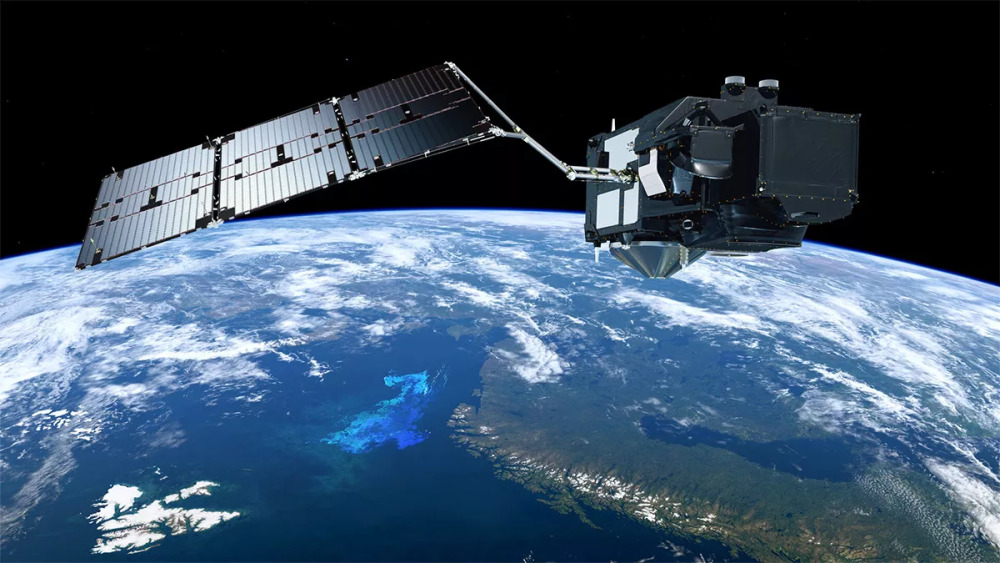
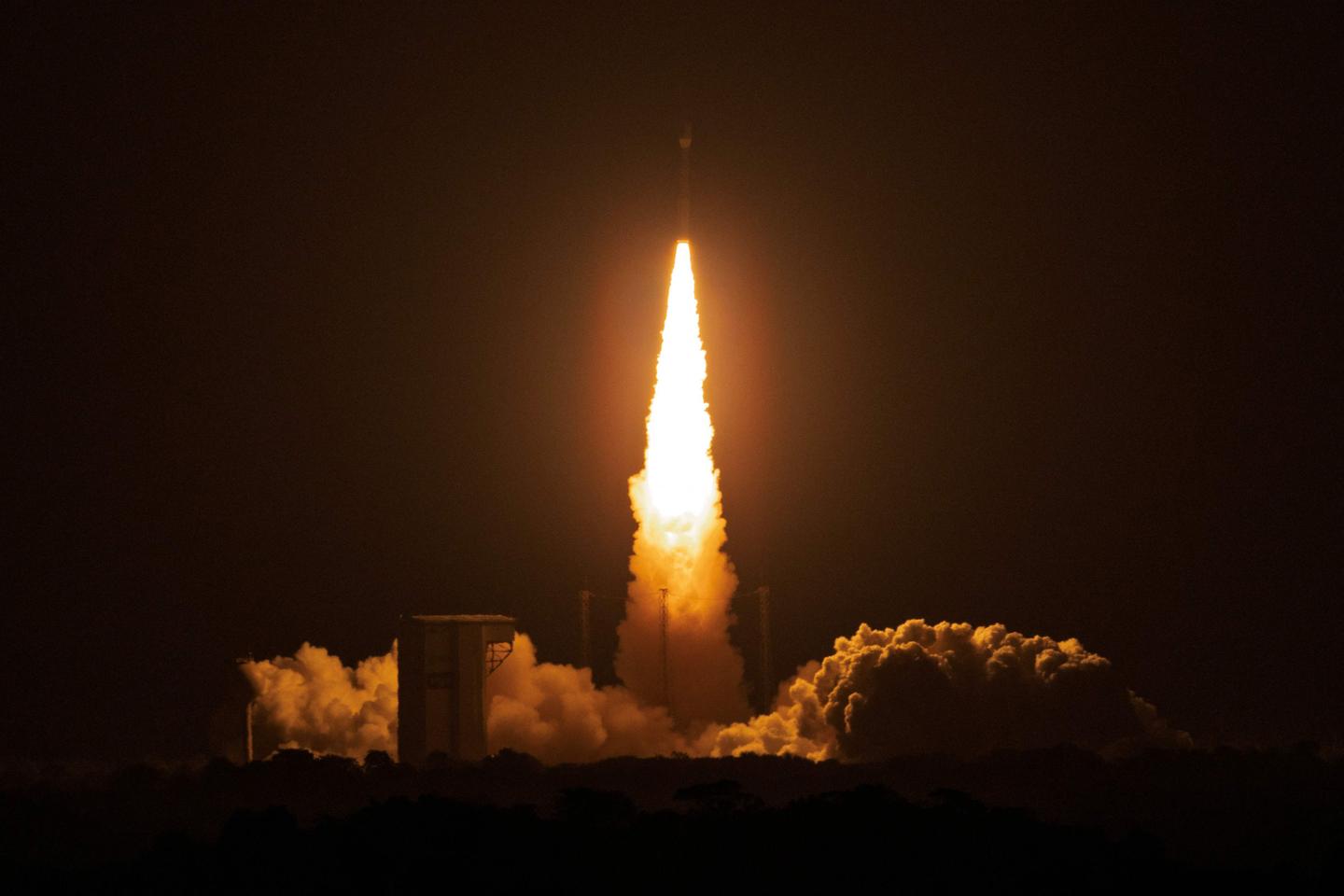
On September 15, 2026, at 03:21 CEST, the European Union successfully launched Copernicus Sentinel-3C and the Earth Explorer FLEX mission from Kourou, French Guiana, aboard an Avio-operated Vega-C rocket. Sentinel-3C is designed to continue the vital ocean and land monitoring record, while FLEX will measure solar-induced chlorophyll fluorescence to assess plant health globally. This launch ensures continuity in the Copernicus program, securing long-term data streams that underpin EU climate policies and disaster response mechanisms. The successful first contact with Earth at 04:33 CET confirms both spacecraft are healthy and proceeding to their operational orbits.
Satellite Data Exposes Top US Methane Super-Emitters
A new report released this week utilizes satellite analysis to rank the highest emitting methane sources across three major US oil and gas basins. The data identifies specific facilities and companies responsible for disproportionate emissions, with Energy Transfer named as the single largest methane producer in the rankings. This transparency is driven by advanced satellite platforms capable of detecting plumes from space, providing verifiable data that regulators and investors are increasingly using to enforce climate commitments. For commercial EO providers, this highlights a growing market for targeted methane monitoring contracts beyond general imagery.

Vega-C Launch Success Boosts European Launcher Confidence
The dual payload launch of Sentinel-3C and FLEX marks a critical success for the European launcher ecosystem, operated by Avio under ESA direction. This mission follows previous challenges for the Vega family, restoring confidence in Europe's independent access to space for medium-class science missions. The successful deployment supports the broader Copernicus and Earth Explorer programs, which are foundational to European environmental monitoring infrastructure. This success may influence future procurement decisions for European agencies seeking reliable, sovereign launch services for subsequent Sentinel and Earth Explorer satellites.
Local view
French media outlets have heavily covered the "historic" nature of the Vega-C launch from the Guiana Space Centre. La Tribune features an interview with Jérôme Bouffard, head of Sentinel-3 and Cristal missions at ESA, emphasizing the 20-year observation continuity provided by Sentinel-3C. He notes that the new data will be crucial for anticipating future climate scenarios and improving disaster response capabilities. Meanwhile, RFI highlights the international cooperation aspect, noting that the launch reinforces Europe's strategic autonomy in space infrastructure.
Context & numbers
The global Earth Observation market is projected to grow from USD 7.68 billion in 2026 to USD 14.55 billion by 2034, reflecting an 8.31% CAGR. North America currently dominates the sector with a 34.97% market share. In the commercial imagery sector, Maxar Technologies continues to generate revenues exceeding $450 million annually from government and commercial clients. These figures underscore the increasing economic value of orbital monitoring data for both public policy and private sector applications.
On the radar
- MethaneSAT Follow-up: While MethaneSAT lost contact nearly a year ago, its initial data revealed higher-than-expected emissions. Stakeholders are watching for how this legacy data influences current regulatory frameworks and potential successor missions.
- Commercial Constellation Expansion: Planet Labs continues to expand its Pelican constellation, aiming to close resolution gaps with rivals like Maxar and Airbus while maintaining high revisit frequencies. Investors are closely monitoring their backlog growth against competitive pressures from ICEYE and BlackSky.
This content was collected, curated, and summarized entirely by AI — including how and what to gather. It may contain inaccuracies. Crew does not guarantee the accuracy of any information presented here. Always verify facts on your own before acting on them. Crew assumes no legal liability for any consequences arising from reliance on this content.
Powered by
