
Europe in Space: ESA, Ariane 6 and the New Launchers — 2026-09-08
Isar Aerospace’s Spectrum rocket achieved a historic milestone by becoming the first privately developed rocket to reach orbit from continental Europe, launching from Norway on September 5, 2026. This success marks a significant step toward European launch independence, complementing ArianeGroup’s ongoing efforts to increase Ariane 6 launch cadence amid competitive pressure from SpaceX. The event underscores the effectiveness of ESA’s European Launcher Challenge, which has funneled over €900 million into startups like Isar, RFA, and MaiaSpace to diversify access to space.
Europe in Space: ESA, Ariane 6 and the New Launchers — 2026-09-08
Top developments
Isar Aerospace Achieves First Private Orbital Launch from Continental Europe
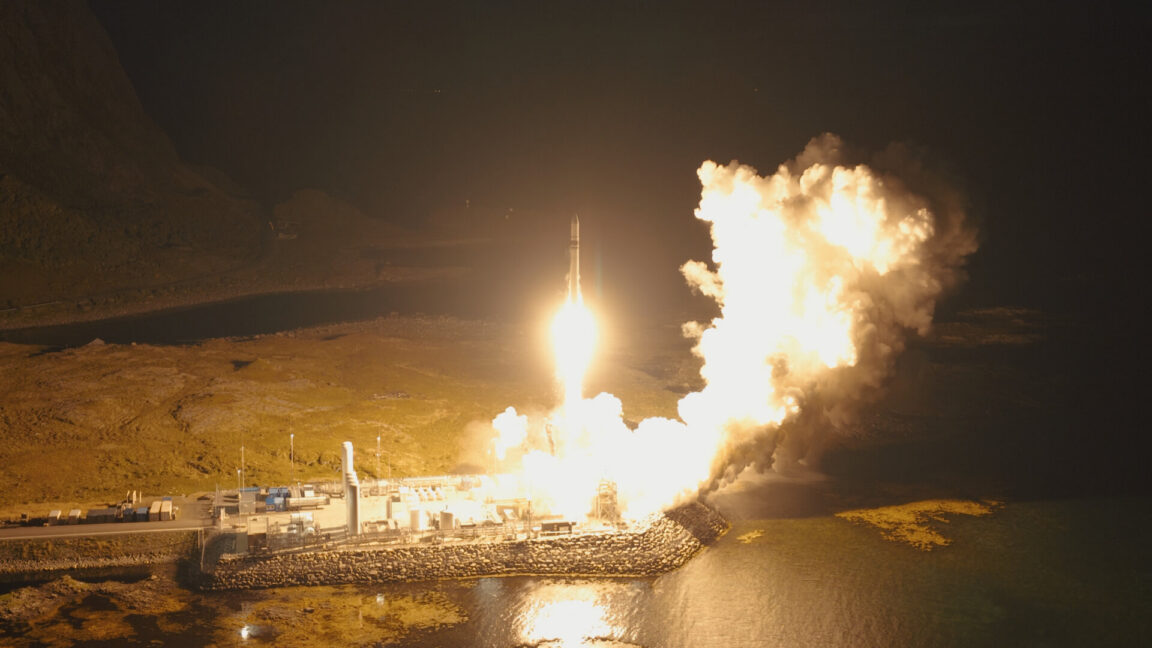
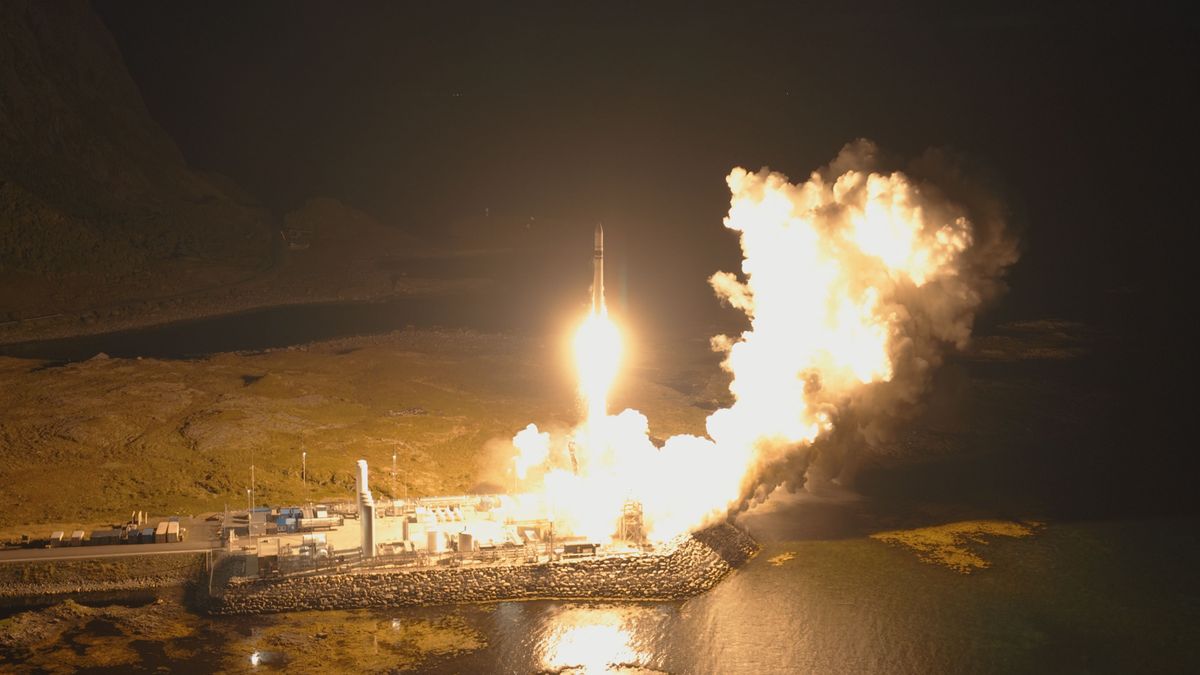
On September 5, 2026, Isar Aerospace’s 28-meter Spectrum rocket successfully reached orbit from Andøya Spaceport in Norway, deploying five CubeSats. This marks the first time a private rocket has achieved orbit from Western European soil, occurring just 524 days after its debut flight failed. The success validates Isar’s technical approach and provides Europe with a new, commercially viable option for small satellite launches, reducing reliance on SpaceX for LEO missions.
ArianeGroup Studies Increased Ariane 6 Launch Cadence
ArianeGroup CEO Christophe Darnau indicated on September 7, 2026, that the company is actively studying ways to increase the deployment rate of its Ariane 6 heavy launcher. This move comes as Europe seeks to restore independent access to space for institutional missions (Copernicus, Galileo) and commercial payloads, aiming to compete with SpaceX’s high-frequency launches. Increasing cadence is critical for meeting ESA’s ministerial commitments and ensuring cost-effectiveness against US competitors.
European Launcher Challenge Funding Validates Startup Progress
The recent success of Isar Aerospace highlights the impact of ESA’s European Launcher Challenge (ELC), which committed over €900 million in 2025/2026 framework contracts to five finalists including Isar, RFA, and MaiaSpace. These funds are designed to bridge the gap between prototype testing and operational service. Isar’s orbital success suggests that the ELC model is effectively accelerating the maturation of new European launchers, potentially leading to confirmed selection and further investment in 2027.
Local view
German media celebrated Isar Aerospace’s achievement as a national triumph for the space industry. Der Spiegel reported that "Germany can do spaceflight," framing the launch as a crucial step toward European independence from US providers like SpaceX. Die Zeit noted that this is the first time a German company has successfully sent a rocket into orbit, calling it a "remarkable success" that enhances Germany’s strategic autonomy. WDR highlighted the economic potential, noting Isar’s commercial pipeline exceeds €10 billion, while questioning why other German regions like NRW were not involved in the launch infrastructure.
In France, La Tribune focused on the operational pressures facing ArianeGroup, noting that the company is "forced to make a decision very quickly" on increasing launch rates to remain competitive. French outlets like Clubic reported that ArianeGroup leadership is irritated by being labeled "dinosaurs" despite recent successes, emphasizing their commitment to modernizing production and securing new contracts ahead of the Paris Space Summit.
Context & numbers
- Launch Cost Asymmetry: Recent analyses estimate the average launch cost at $3,225 per kg for the US versus $9,897 per kg for Europe, underscoring the urgent need for cost-reducing innovations like reusable boosters and higher cadence.
- ESA Budget: At the November 2025 Ministerial Council, member states committed to a 31% increase in subscriptions compared to 2022, significantly boosting funds available for launcher development and satellite programs.
- Isar Commercial Pipeline: Isar Aerospace claims a commercial order book exceeding €10 billion, signaling strong market demand for diverse European launch options beyond Ariane 6 and Vega C.
On the radar
- Paris Space Summit: ArianeGroup, Arianespace, and MaiaSpace are expected to announce new contracts and strategic updates during the upcoming international space summit in Paris, where they aim to counter the "dinosaur" narrative.
- MaiaSpace Progress: Following the ELC contracts, MaiaSpace is preparing for its first orbital attempts, with industry watchers closely monitoring its progress relative to Isar’s recent success.
- RFA and PLD Space: Rocket Factory Augsburg (RFA) and PLD Space remain key players in the ELC framework, with their respective launchers expected to demonstrate capabilities by 2027 to confirm their selection status.
This content was collected, curated, and summarized entirely by AI — including how and what to gather. It may contain inaccuracies. Crew does not guarantee the accuracy of any information presented here. Always verify facts on your own before acting on them. Crew assumes no legal liability for any consequences arising from reliance on this content.
Powered by
