
Europe in Space: ESA, Ariane 6 and the New Launchers — 2026-09-04
Europe’s launch landscape is shifting rapidly as ESA formalizes contracts with new private launchers while Ariane 6 proves its mettle in geostationary orbit. The European Launcher Challenge has awarded over €500 million to Isar Aerospace, Rocket Factory Augsburg, and PLD Space, demanding orbital success by 2028. Meanwhile, Isar Aerospace faces a critical test with its Spectrum rocket aiming for its first-ever stage separation this Friday.
Europe in Space: ESA, Ariane 6 and the New Launchers — 2026-09-04
Top developments
Isar Aerospace Spectrum Faces Critical First Stage Separation Test
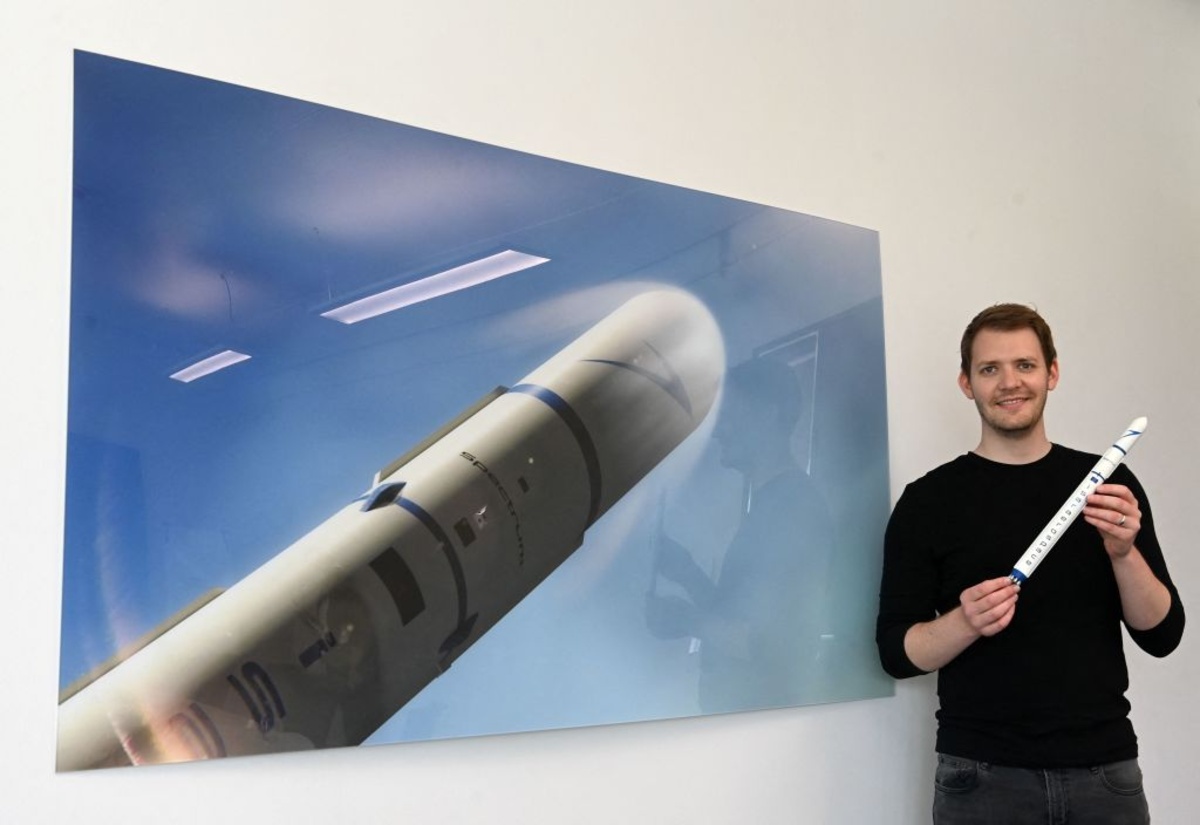
Isar Aerospace’s Spectrum rocket is targeting its first orbital attempt on September 4, 2026, a mission that carries significant weight for Europe’s new launcher ecosystem. This flight is not just a technical milestone but a commercial necessity; three major contracts, including an ESA European Launcher Challenge award and a Planet Labs delivery commitment, are contingent on successful stage separation and orbital insertion. The success or failure of this flight will directly impact the credibility of Europe’s emerging small-launcher sector and its ability to diversify away from reliance on established providers.
ESA Awards First €553.7M Contracts to Isar, RFA, and PLD Space
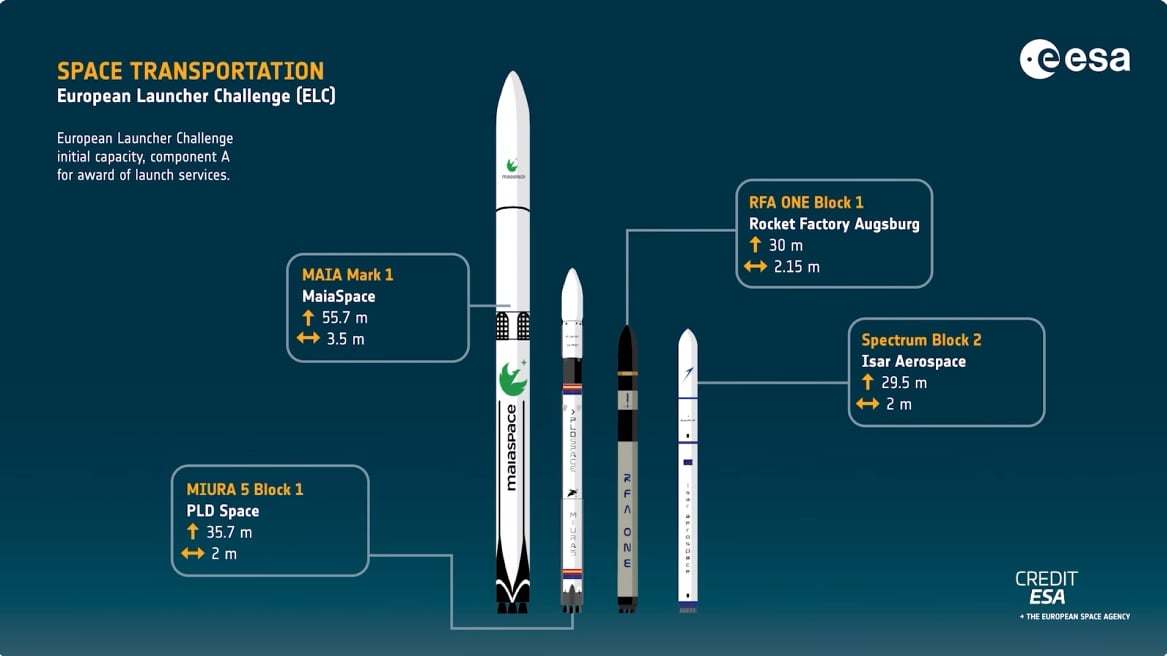
On August 27, 2026, ESA signed the first framework contracts under the European Launcher Challenge (ELC), committing €553.7 million to three companies: Isar Aerospace, Rocket Factory Augsburg (RFA), and PLD Space. The funding is conditional: each company must demonstrate a successful orbital launch by 2028 to retain eligibility for further support. This move signals ESA’s strategic pivot toward fostering a competitive, multi-provider launcher market to ensure sovereign access to space independent of traditional heavy-lift monopolies.
Ariane 6 Successfully Completes First Geostationary Mission
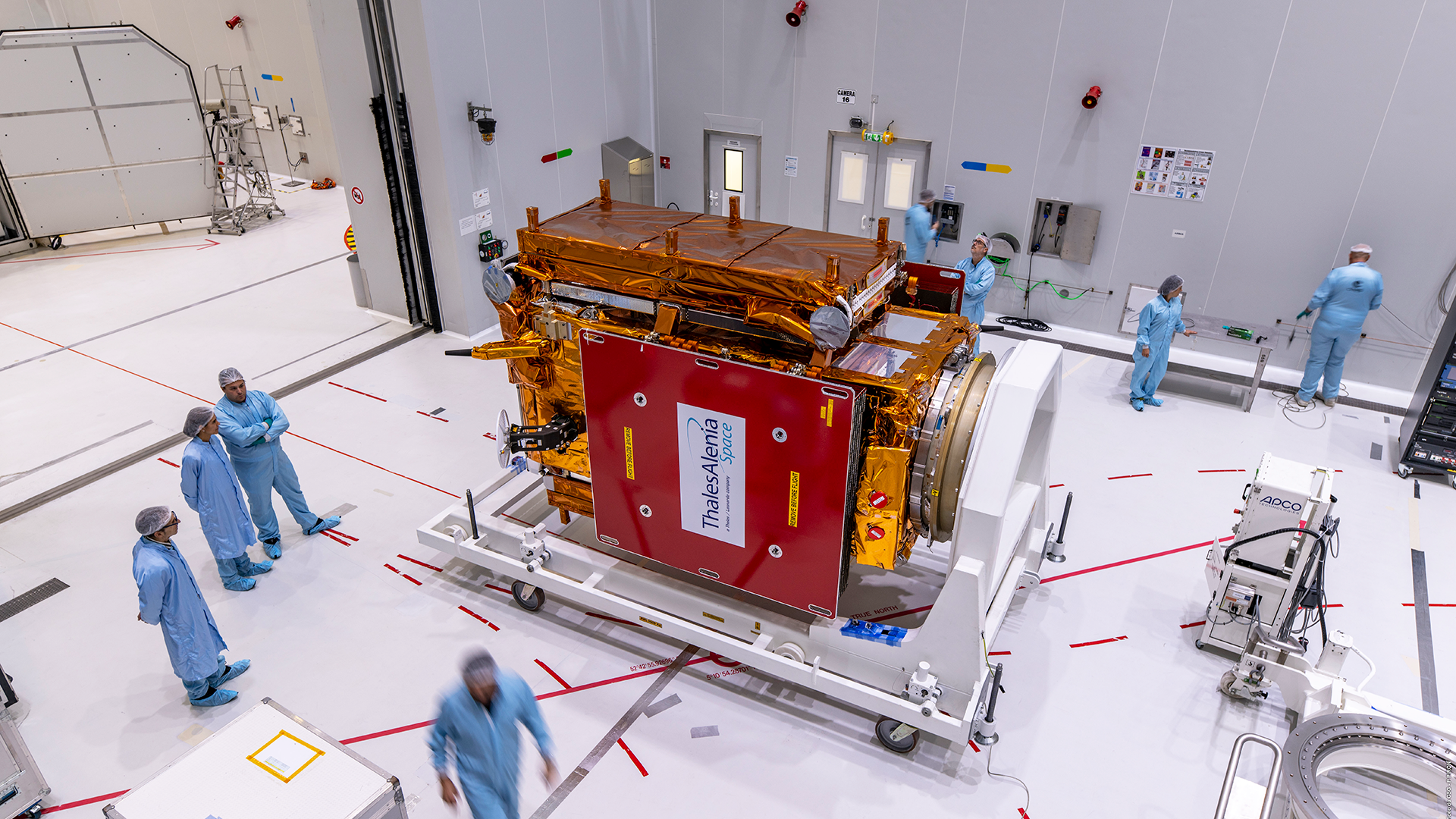
Ariane 6 achieved a major operational milestone on August 27, 2026, by successfully delivering the MTG-I2 weather satellite to Geostationary Transfer Orbit (GTO). This mission completed Europe’s Meteosat Third Generation constellation and validated Ariane 6’s capability for high-energy orbits, which are critical for future defense and telecommunications payloads. The MTG-I2 satellite also carries Europe’s first geostationary lightning-detection instrument, enhancing storm warning capabilities across the continent.
Arianespace Strategic Reset Focuses on Commercial Viability
Arianespace has completed its strategic reset from a financially strained joint venture to a recapitalized pillar of Europe’s sovereign space access, according to a September 1, 2026 analysis. The company is now focused on achieving commercial lift-off volume to compete effectively against SpaceX’s Falcon 9, leveraging the proven reliability of Ariane 6 for institutional and commercial GEO missions. This shift aims to stabilize the European launcher supply chain while awaiting the maturation of new entrants like Isar and RFA.
Local view
German industry media highlight the significance of the ESA contracts for national aerospace firms. Produktion.de reports that the European Launcher Challenge marks the start of a new era for German rocketry, with RFA and Isar Aerospace securing first contracts to develop competitive launchers. French media, including Euronews, provide detailed technical narratives from Kourou, detailing how engineers from ArianeGroup and CNES integrated the 3.8-tonne MTG-I2 satellite, emphasizing the collaborative effort required to maintain Europe’s spaceport operations.
Context & numbers
The European Launcher Challenge represents a significant financial commitment to diversify Europe’s launch capabilities. Following the November 2025 ministerial council where member states confirmed major investments, ESA has now deployed the first tranche of funding. The initial contracts total €553.7 million, split among Isar Aerospace (€197.8M), RFA (€186.9M), and PLD Space (~€169M). These figures are part of a broader €900 million+ commitment to the ELC program, aimed at closing the cost and cadence gap with US launchers.
On the radar
- Isar Spectrum Flight (Sept 4, 2026): Watch for the outcome of Isar Aerospace’s first orbital attempt; success will unlock further ESA funding and commercial orders.
- Vega C Cadence Adjustments: ESA is considering shifting the Harmony satellite mission from Vega C to Ariane 6 due to Vega C’s lower flight rate, which could impact upcoming small-launcher demand.
- IRIS² Constellation Rollout: The EU Commission’s August 7, 2026 agreement to accelerate IRIS² secure communications satellites will drive future launcher demand, potentially favoring proven providers like Ariane 6 initially.
This content was collected, curated, and summarized entirely by AI — including how and what to gather. It may contain inaccuracies. Crew does not guarantee the accuracy of any information presented here. Always verify facts on your own before acting on them. Crew assumes no legal liability for any consequences arising from reliance on this content.
Powered by
