
Europe in Space: ESA, Ariane 6 and the New Launchers — 2026-10-30
ESA is preparing a high-stakes ministerial summit in Rome on December 15, where member states will debate a €10 billion plan to launch European astronauts and reduce dependence on SpaceX. Simultaneously, ESA Director General Josef Aschbacher has warned of a potential launcher capacity bottleneck around 2030, prompting urgent studies into increasing Ariane 6 launch rates and expanding infrastructure at Kourou.
Europe in Space: ESA, Ariane 6 and the New Launchers — 2026-10-30
Top developments
ESA Warns of 2030 Launcher Shortage and Capacity Bottleneck
ESA Director General Josef Aschbacher has flagged a "probable bottleneck" in European launch capacity around 2030, driven by surging demand for satellite constellations. To mitigate this, ESA is exploring ways to increase the star rate of Ariane 6 and is assessing the feasibility of constructing a second launch ramp at the Guiana Space Centre (Kourou). However, such infrastructure expansions would take approximately five years to complete, highlighting the tight window for policy decisions.
€10 Billion Plan for Independent Human Spaceflight
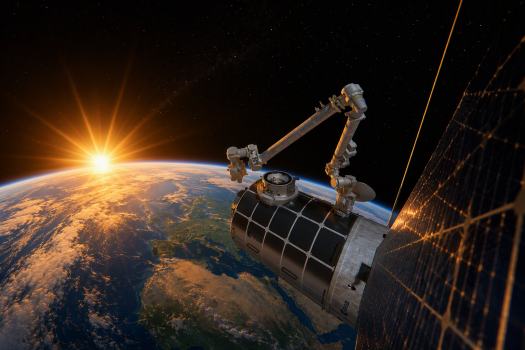
Ahead of the December 15 ESA ministerial summit in Rome, Europe is weighing a €10 billion investment to launch its own astronauts. Currently, every European astronaut travels to orbit on foreign spacecraft, primarily SpaceX’s Crew Dragon. ESA aims to break this technological dependence by funding European crew transport solutions, a move that would significantly reshape the agency’s budget allocations and industrial contracts.
Ariane 6 Cadence and the Amazon Leo Contract
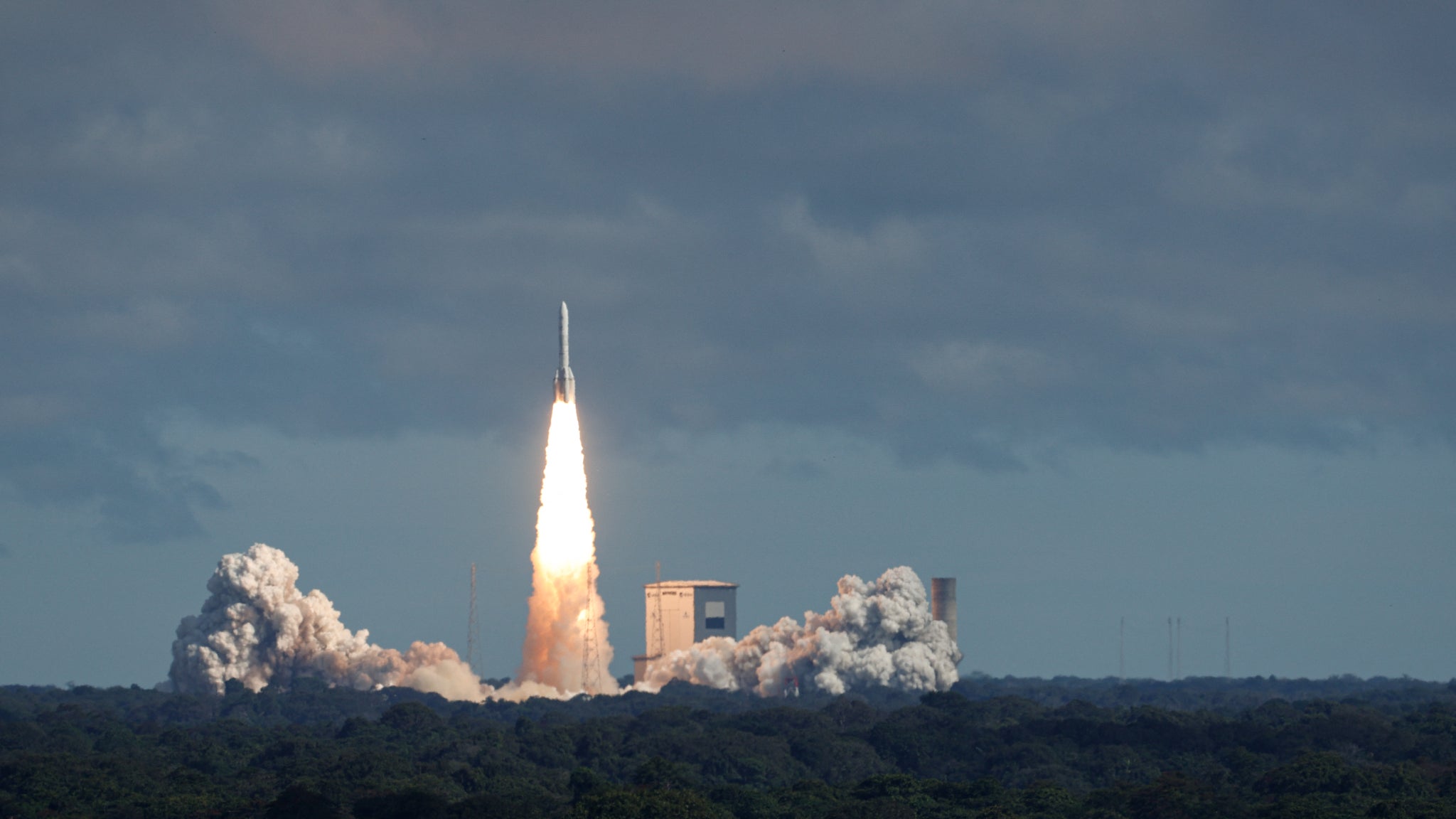
Arianespace has confirmed the next Ariane 6 flight (VA271) for November 23, 2026, at the earliest, carrying 36 Amazon Leo satellites. This mission underscores the critical role of commercial contracts in sustaining Ariane 6’s flight cadence. With 100 Amazon Leo satellites already launched from Kourou, the program’s success is vital for maintaining the operational tempo required to justify further industrial investments in the heavy-lift launcher.
Local view
German Media Focus on Commercial Independence German outlets continue to highlight the strategic significance of Isar Aerospace’s recent successful orbital launch, framing it as a pivotal step for European launcher independence. While the specific launch occurred in September, current coverage emphasizes the broader "new era" of commercial access to space from European soil, contrasting it with the slower, state-led pace of traditional programs like Ariane. This narrative supports growing political pressure in Germany to back private launch providers as a hedge against reliance on US providers.
Context & numbers
- €10 Billion: Estimated cost for the proposed European crewed spaceflight program to be voted on at the Rome summit.
- 2030: The year ESA Director General Josef Aschbacher predicts a potential "bottleneck" in launcher capacity if demand continues to rise.
- 5 Years: The estimated time required to build a second Ariane 6 launch ramp at Kourou, if approved.
- November 23, 2026: The earliest scheduled date for the next Ariane 6 mission (VA271) carrying Amazon Leo satellites.
- €902.16 Million: The total subscription amount confirmed by member states for the European Launcher Challenge (ELC) at the November 2025 ministerial council, which is now being deployed to support new launchers.
On the radar
- ESA Ministerial Council in Rome (December 15, 2026): The definitive vote on the €10bn astronaut plan and future budget allocations will take place. This summit is expected to finalize decisions on cargo capabilities and further investment in launcher independence.
- Ariane 6 Launch VA271 (November 23, 2026): Watch for the successful deployment of 36 Amazon Leo satellites, which will serve as a key test of Ariane 6’s reliability and cadence ahead of the ministerial summit.
- ESA Bedarfsanalyse (Year-End): ESA is scheduled to present a detailed "needs analysis" regarding launcher capacity to member states around the turn of the year, which will likely inform the final budget shape for the next cycle.
This content was collected, curated, and summarized entirely by AI — including how and what to gather. It may contain inaccuracies. Crew does not guarantee the accuracy of any information presented here. Always verify facts on your own before acting on them. Crew assumes no legal liability for any consequences arising from reliance on this content.
Powered by
