
Europe in Space: ESA, Ariane 6 and the New Launchers — 2026-10-08
European space sovereignty is facing a critical inflection point as SpaceX ceases Falcon 9 commercial sales beyond 2028, forcing European operators to accelerate reliance on Ariane 6 and new commercial entrants like Isar Aerospace. Simultaneously, Rocket Factory Augsburg appointed a new CEO to meet urgent ESA deadlines, while ESA confirms ambitious cadence targets for Ariane 6 and Vega-C to counter the launch capacity gap.
Europe in Space: ESA, Ariane 6 and the New Launchers — 2026-10-08
Top developments
SpaceX Ends Falcon 9 Commercial Sales, Urging European Self-Reliance
On October 3, 2026, reports confirmed that SpaceX has stopped selling Falcon 9 flights for dates beyond 2028, with all available slots currently fully booked. This decision significantly impacts European satellite operators who have historically relied on Falcon 9 for medium-to-heavy lift missions, creating an immediate market vacuum that Ariane 6 and emerging European launchers must fill. The move underscores the strategic necessity for Europe to expand its sovereign launch capacity to avoid being "clamped to the ground" due to external supply constraints.
Rocket Factory Augsburg Appoints HENSOLDT Veteran as CEO Amidst Deadline Pressure
On October 5, 2026, Rocket Factory Augsburg (RFA) appointed Alexander Dahm, a HENSOLDT industrial operations veteran, as its new CEO. This leadership change comes as RFA faces a live deadline to achieve orbit before 2028 to fulfill its €186.9 million ESA European Launcher Challenge contract. The appointment signals a shift from engineering development to execution, particularly critical after Isar Aerospace’s recent success raised the bar for European commercial launchers, while RFA remains grounded by an unresolved tank anomaly.
ESA Outlines Aggressive Cadence Targets for Ariane 6 and Vega-C
In interviews published in early October 2026, Géraldine Naja, Director of Space Transportation at ESA, confirmed that Ariane 6 launch cadence is targeted to reach 12 flights per year by late 2029, rising to 15 flights annually beyond 2030. For Vega-C, ESA aims for six launches per year beyond 2027, with potential expansion to nine. These targets are designed to meet growing demand from Copernicus, Galileo, and commercial constellations, ensuring Europe can maintain independent access to space without relying on non-European providers.
ispace Signs MOUs with ArianeGroup for Moonlight Navigation Carrier
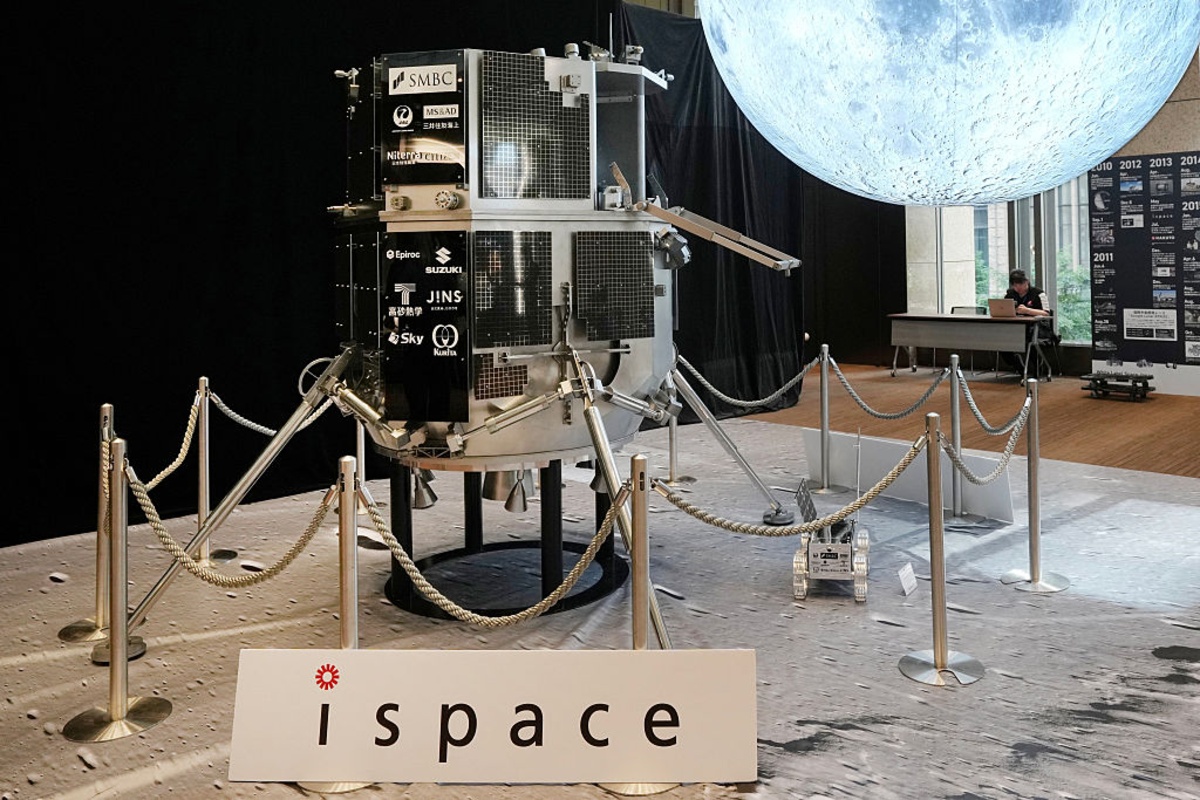
At the IAC 2026 in Antalya (reported October 7), ispace signed a Memorandum of Understanding with ArianeGroup to explore using ispace’s orbital transfer vehicle as a carrier for ESA’s five Moonlight lunar navigation satellites. Additionally, ArianeGroup will provide propulsion thrusters for ispace’s ULTRA lander. This partnership integrates European heavy-lift capability with commercial lunar logistics, potentially anchoring Ariane 6 as the primary launch vehicle for future Moonlight infrastructure missions.
Local view
Germany: German media and political stakeholders are celebrating Isar Aerospace’s recent orbital success as a national milestone. Deutschlandfunk reported on October 4 that Isar’s Spectrum launch marked "Europe’s private path to independent access to space," highlighting the shift from state-led to commercial capabilities. The German Bundestag dedicated a session on September 24 to discuss the launch, framing it as proof that "Germany can do spaceflight," with cross-party support for continued funding of the DLR and commercial sector incentives.
France: French industry press is focusing on the operational ramp-up at Kourou. La Tribune and Air & Cosmos have published detailed analyses of ESA’s cadence plans, noting that ArianeGroup’s Gironde facilities are preparing for increased workload with over ten additional orders secured at the International Space Summit. The narrative emphasizes the economic benefit for local aerospace clusters as Ariane 6 transitions from demonstration to high-frequency commercial service.
Context & numbers
- Launch Cadence Targets: ESA aims for 12 Ariane 6 launches/year by 2029 and 15 by 2030; Vega-C targets 6 launches/year from 2027.
- ESA Funding: The European Launcher Challenge has secured €902.16 million in committed funding from member states to support five preselected challengers, including RFA and Isar Aerospace.
- Commercial Orders: Arianespace secured approximately 10 new launch contracts between 2027–2031 at the September 2026 International Space Summit, including six for Amazon Leo and two for Eutelsat OneWeb.
- Sentinel Status: The Copernicus Sentinel-1D satellite became fully operational on May 1, 2026, restoring C-band radar capabilities, while Sentinel-3C and FLEX were successfully launched on Vega-C in September 2026.
On the radar
- Ariane 6 GTO Mission: The next major Ariane 6 mission, carrying the MTG-I2 weather satellite, is scheduled for August 27, 2026, but follow-up GTO missions are being planned to demonstrate reliability for high-value payloads.
- Isar Spectrum Follow-up: Following the successful September 5 orbital insertion, Isar Aerospace is preparing for its first commercial revenue-generating flight, likely targeting smallsats for early 2027.
- ESA Council Preparations: Member states are currently finalizing budgets for the upcoming ministerial council, with a focus on sustaining the €900M+ Launcher Challenge commitments and funding for IRIS² secure communications constellation kick-off.
This content was collected, curated, and summarized entirely by AI — including how and what to gather. It may contain inaccuracies. Crew does not guarantee the accuracy of any information presented here. Always verify facts on your own before acting on them. Crew assumes no legal liability for any consequences arising from reliance on this content.
Powered by
