
Europe in Space: ESA, Ariane 6 and the New Launchers — 2026-10-10
The European Space Agency (ESA) has unveiled study results for a reusable two-stage heavy-lift rocket, signaling a strategic shift toward sustainable launch capabilities. Simultaneously, SpaceX’s decision to halt Falcon 9 commercial sales beyond 2028 has intensified the urgency for Europe to secure independent launch slots, while Isar Aerospace continues to generate political and industrial momentum following its successful orbital debut.
Europe in Space: ESA, Ariane 6 and the New Launchers — 2026-10-10
Top developments
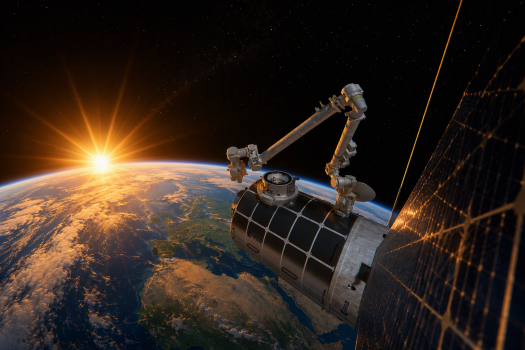
ESA presents reusable heavy-lift rocket study at IAC 2026
On October 9, 2026, ESA presented the results of a feasibility study at the International Astronautical Congress (IAC) regarding a reusable, two-stage heavy-lift launcher. The proposal outlines a technical and financially viable path for Europe to develop a new generation of heavy launchers with recoverable first stages, aiming to reduce costs and increase cadence compared to the current Ariane 6 architecture. This move is critical for long-term competitiveness against reusable competitors and aligns with the broader goal of reducing dependence on non-European providers for heavy-payload missions.
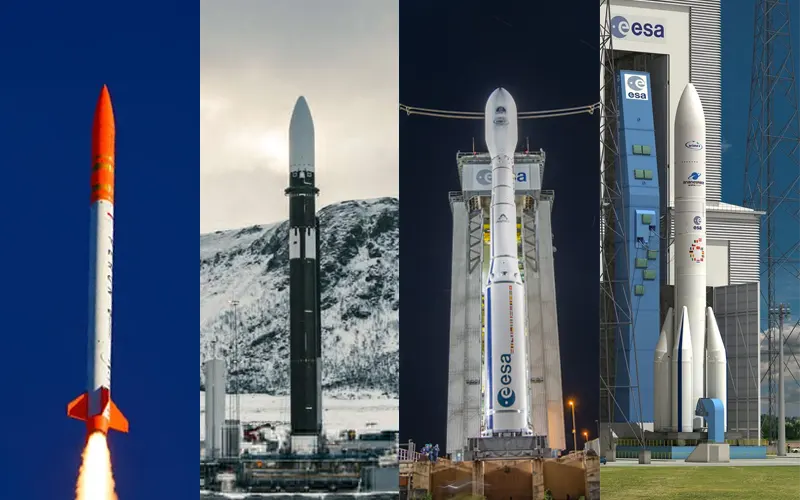
SpaceX halts Falcon 9 sales beyond 2028, squeezing European options
French business outlet Europe Business News reported on October 3, 2026, that SpaceX has stopped selling Falcon 9 flights for dates after 2028, with existing slots fully booked. This development poses a significant risk to European satellite operators who have relied on Falcon 9 for cost-effective access to orbit. The closure of this "escape hatch" forces European customers to commit to Ariane 6 or Vega C earlier, potentially accelerating the ramp-up of ArianeGroup’s production lines but also highlighting the immediate capacity constraints of the current European fleet.
Isar Aerospace’s success drives German political and industrial debate
The successful orbital insertion of Isar Aerospace’s Spectrum rocket from Andøya (Norway) in September 2026 continues to resonate in German media and politics. Industriemagazin highlighted on October 5, 2026, how this achievement positions Germany as a serious spacefaring nation, challenging the traditional dominance of France and Italy in European launchers. The event has sparked discussions in the Bundestag about increased state support for private launch providers, viewing Isar’s success as a necessary hedge against reliance on ArianeGroup and a step toward a diversified European launch ecosystem.
ESA explores crew transport and potential European space station
In a significant strategic update published around October 3, 2026, NASASpaceFlight.com reported that ESA is actively investigating options for a European-led orbital station and associated crew transport capabilities. This initiative comes as European launchers like Ariane 6 and emerging private vehicles mature, providing the necessary heavy-lift and reliable access to low Earth orbit. If pursued, this would mark a major expansion of ESA’s mandate beyond science and observation, directly impacting future budget allocations and requiring sustained high-cadence launcher availability.
Local view
German media outlets are framing the recent Isar Aerospace milestone not just as a commercial success but as a geopolitical necessity. Tagesschau and Industriemagazin emphasize that Germany must leverage its industrial base to become a key player in the "new space" economy, moving away from being merely a customer of French-led Ariane systems. The narrative focuses on job creation and technological sovereignty, with local stakeholders arguing that the €900 million European Launcher Challenge funds should increasingly flow toward agile, private German firms like Isar and RFA rather than solely supporting legacy state-backed programs.
Context & numbers
- Launch Cadence Targets: ESA’s Director of Space Transportation, Géraldine Naja, recently outlined plans for Ariane 6 to reach 12 launches per year by late 2029 and 15 per year after 2030. Vega C is targeted at 6 flights annually after 2027, potentially rising to 9.
- Launcher Challenge Funding: The European Launcher Challenge secured €902.16 million in commitments, aiming to foster competition among new entrants like Isar, RFA, and MaiaSpace.
- Ariane 6 Orders: Following the International Space Summit in September 2026, Arianespace reported its largest order intake since entering service, including contracts for Eutelsat OneWeb renewal, boosting the backlog and stabilizing the production line in Bordeaux.
On the radar
- World Space Week (Oct 4–10, 2026): Events are currently underway, focusing on reusable rockets and new access-to-space technologies, serving as a platform for smaller European startups to showcase progress.
- Isar Aerospace Next Test: Following the successful orbital flight, attention turns to the next Spectrum test flight, which will validate reusability concepts and operational cadence for the small-lift market.
- ESA Ministerial Preparations: With the IAC study results now public, member states begin internal deliberations ahead of the next ministerial council, where funding for the proposed reusable heavy-lift vehicle could be a contentious topic.
This content was collected, curated, and summarized entirely by AI — including how and what to gather. It may contain inaccuracies. Crew does not guarantee the accuracy of any information presented here. Always verify facts on your own before acting on them. Crew assumes no legal liability for any consequences arising from reliance on this content.
Powered by
