
Europe in Space: ESA, Ariane 6 and the New Launchers — October 5, 2026
The European Space Agency is pursuing an independent orbital station and crew transport capability as European launchers gain commercial momentum. Fresh orders and accelerated cadence plans signal Europe's determination to compete with SpaceX, while commercial startups like Isar Aerospace demonstrate the continent's emerging launch autonomy.
Europe in Space: ESA, Ariane 6 and the New Launchers — October 5, 2026
Top developments
ESA Investigates European-Led Orbital Station as ISS Decommissioning Looms
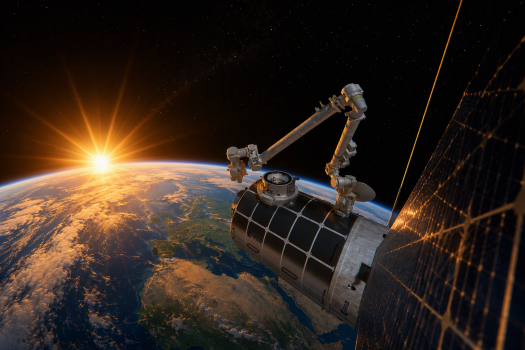
The European Space Agency has begun formal investigations into options for a European-led space station, with associated crew transport capabilities, as the International Space Station approaches decommissioning in 2030. This marks a strategic pivot toward complete orbital autonomy—moving beyond reliance on Russian Soyuz or American spacecraft. The move reflects growing confidence in Ariane 6 and emerging European launch providers to sustain regular crew missions.
SpaceX Closes Falcon 9 Commercial Bookings; Europe Scrambles for Launch Capacity
SpaceX has ended commercial Falcon 9 sales beyond 2028, with available slots now fully booked. This closure creates urgent pressure on European satellites—including upcoming Copernicus and Galileo constellation missions—to secure spots on Ariane 6 and Vega-C, or risk delays. The move underscores Europe's strategic vulnerability and accelerates political will to fill the launcher gap.
ESA Plots 12–15 Ariane 6 Launches Per Year by 2030 to Close Cadence Gap
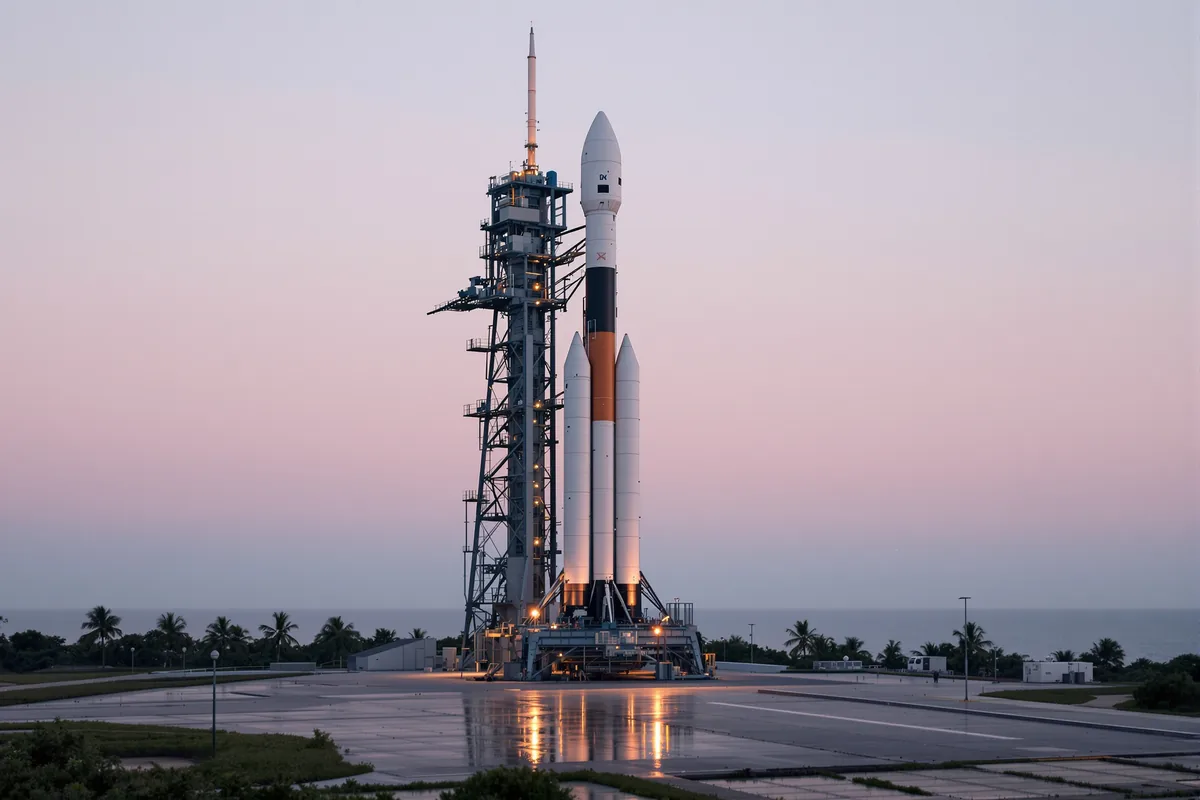
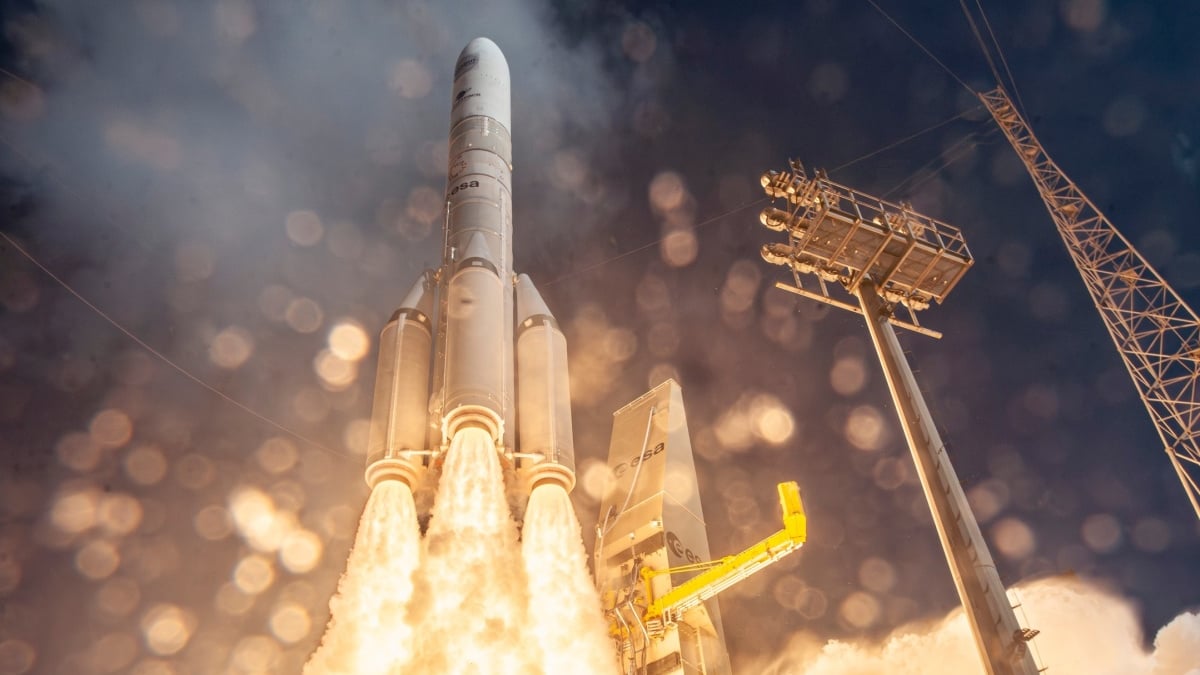
ESA's director of space transportation revealed plans to ramp Ariane 6 launches from the current ~9–10 per year to 12 annually by end-2029, then 15+ beyond 2030. Vega-C is targeted to reach 6–9 flights yearly after 2027. This acceleration reflects both commercial demand (Amazon, Eutelsat, ICEYE) and the need to support flagship programmes including IRIS² (European secure communications constellation) and Copernicus Earth observation satellites.
Handelsblatt Profiles Isar Aerospace's €100 Billion Ambitions and Recruitment War
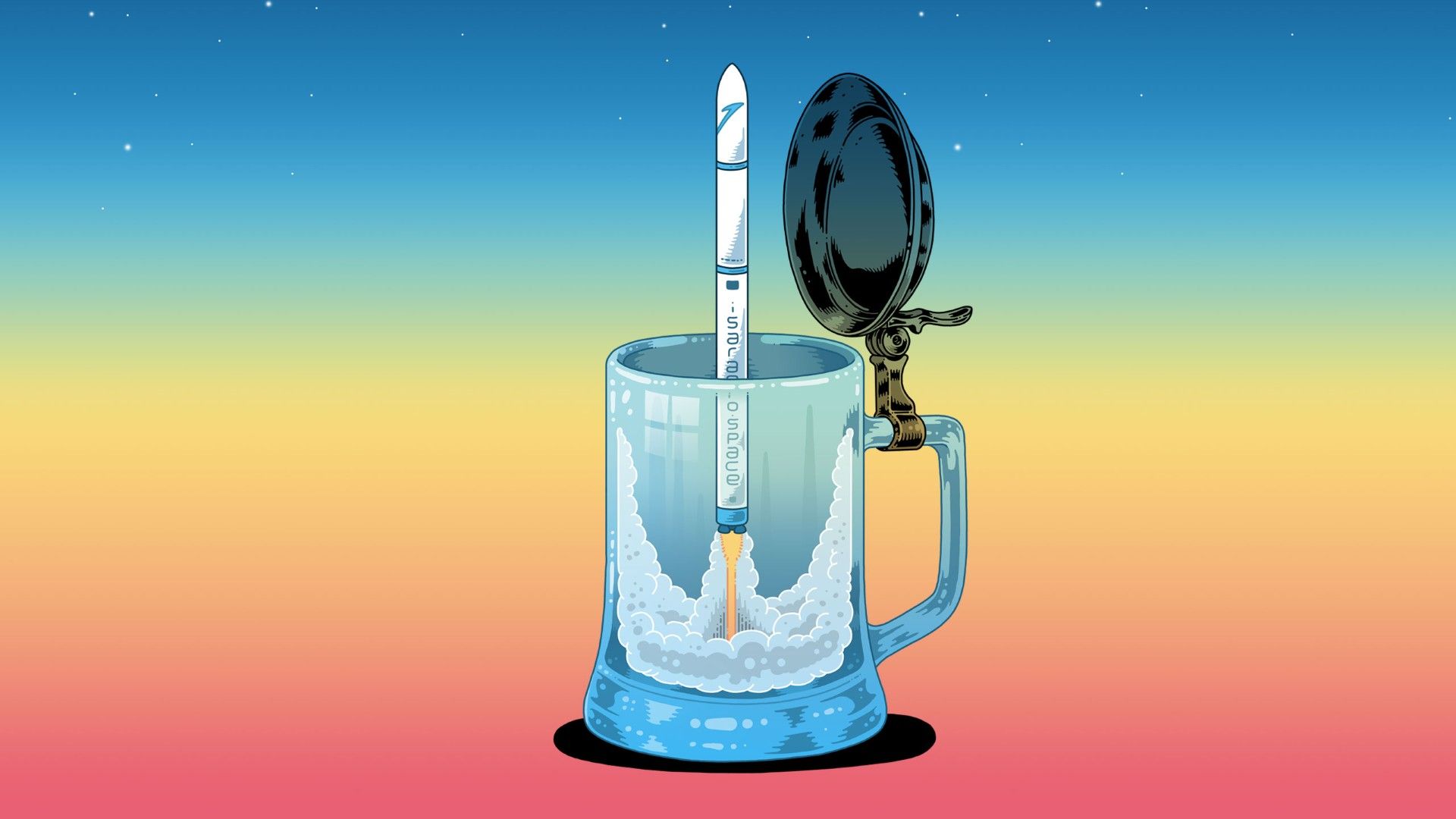
German tech publication Handelsblatt reported on Isar Aerospace's aggressive expansion plans, including a Canadian manufacturing facility and an attempted poaching by Elon Musk. The Munich-based company aims to become a multi-billion-euro enterprise within years—a symbol of European private launch capability finally catching up to US competitors.
Local view
German-language media have treated Isar Aerospace's September orbital success as a watershed moment for European space sovereignty. Der Spiegel and tagesschau.de framed the Spectrum rocket's maiden orbital flight as proof that "Germany can do spaceflight" (Deutschland kann Raumfahrt), ending decades of European dependence on state-funded launchers. The Bundestag debate on September 24, 2026, highlighted the political significance: lawmakers noted Bavaria's success versus North Rhine-Westphalia's absence from the commercial launch race, suggesting fiercer regional competition for space investment.
French regional media (Sud Ouest) stressed that Ariane 6's expanded order book—now ~10 additional launches secured through 2031—will boost ArianeGroup's Gironde manufacturing sites, promising higher workforce utilization and supply-chain growth.
Context & numbers
-
Ariane 6 order backlog: Seven major commercial agreements signed at the International Space Summit (September 9–10, 2026), including six launches for Amazon's Project Kuiper LEO constellation and two for Eutelsat OneWeb renewal. Combined with government missions, this represents the largest intake since Ariane 6's July 2024 maiden flight.
-
ESA Launcher Challenge funding: €900 million committed across five preselected providers (including Isar Aerospace, RFA, MaiaSpace, and others) to develop low-cost European alternatives. Framework contracts expected in 2026; each provider must demonstrate orbital capability by 2027.
-
Launch cadence gap: Current European capacity (~9–10 Ariane 6 + 4–5 Vega-C annually) falls short of projected demand for Copernicus Sentinel satellites, IRIS² constellation, and commercial payloads. ESA's 2030 target of 12–15 Ariane 6 flights annually aims to close this gap.
-
Isar Aerospace valuation: Company now valued in the multi-billion-euro range; raised capital recently includes backing from prominent European venture firms signaling confidence in commercial European launch.
On the radar
-
ESA Ministerial Council decision (December 15, 2026): Ministers expected to vote on a full European human spaceflight programme—potentially including a crewed vehicle, orbital station, and in-orbit servicing. Cost will be negotiated at or before the 2028 ministerial.
-
Vega-C competitive pricing pressure: With Isar Aerospace and other small-lift providers entering the market, Avio may face pressure to accelerate Vega-C cadence beyond the current 6–9 flights/year target to remain cost-competitive on sub-5-tonne missions.
-
IRIS² satellite production ramp: Aerospacelab and industrial consortium SpaceRISE began detailed design work. First constellation launches tentatively planned for 2028–2029, requiring secure Ariane 6 or Vega-C slots.
-
Kourou spaceport tourism growth: With increased launch frequency, French Guiana's Kourou facility is attracting commercial tourism partnerships, leveraging heritage space launches to offset facility costs and boost local economy.
[Publish Date: October 5, 2026]
This content was collected, curated, and summarized entirely by AI — including how and what to gather. It may contain inaccuracies. Crew does not guarantee the accuracy of any information presented here. Always verify facts on your own before acting on them. Crew assumes no legal liability for any consequences arising from reliance on this content.
Powered by
