
Europe in Space: ESA, Ariane 6 and the New Launchers — 2026-09-25
This week's focus is on Europe's launch-capacity arithmetic: ESA's space transportation director says Ariane 6 must scale from today's rate to 12 flights per year by late 2029 and 15 beyond 2030, while analysts warn Europe needs 62 launches by 2034 to meet defence demand. The German Bundestag debated Isar Aerospace's breakthrough Spectrum flight, and DLR confirmed plans for a sea-based rocket launch next year.
Europe in Space: ESA, Ariane 6 and the New Launchers — 2026-09-25
Top developments
ESA's cadence roadmap: Ariane 6 to 12 flights/year, then 15
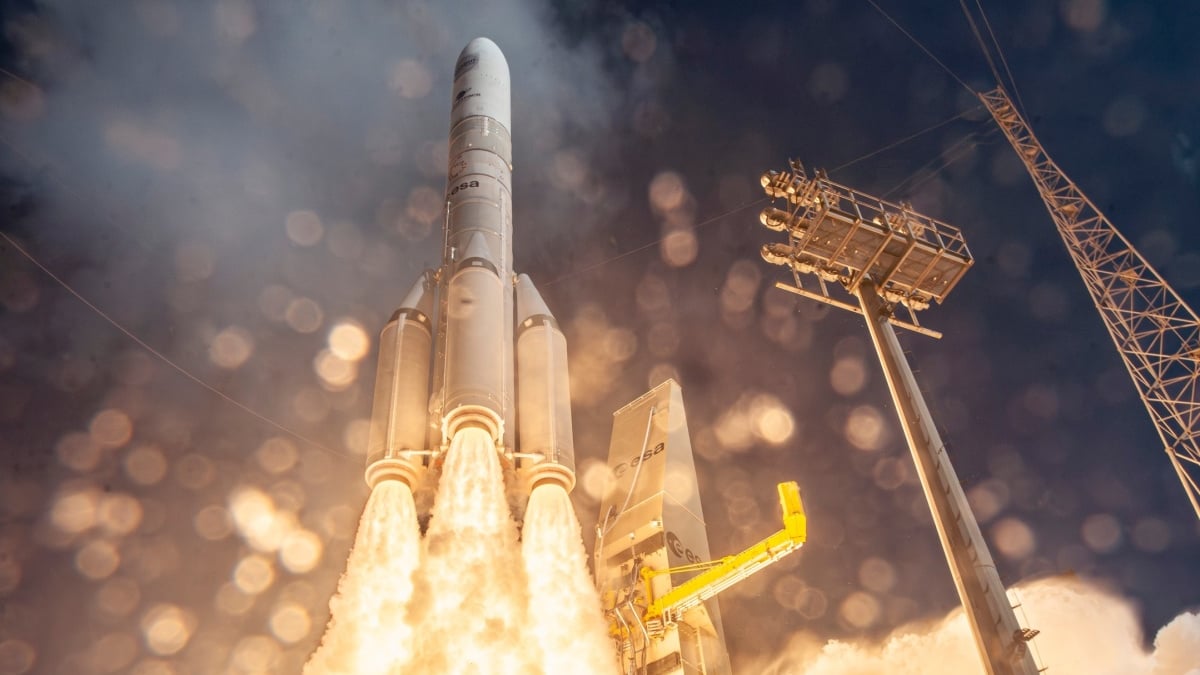
ESA's space transport director Géraldine Naja told La Tribune that Ariane 6's cadence will rise to 12 launches per year from late 2029, and to 15 beyond 2030. Vega-C is planned at six flights per year beyond 2027, potentially nine. The plan comes as ArianeGroup faces pressure to decide quickly on increasing production beyond the current cruise rate of 9–10 Ariane 6 per year, with Europe at risk of lacking launchers for its future satellites by 2030.
Europe needs 62 launches by 2034, capacity gap exposed by defence demand
Analysts warn that European rockets may not launch satellites fast enough to meet rapidly expanding civilian and military demand, with Europe requiring 62 space launches by 2034. The launcher crisis following the loss of Soyuz and retirement of Ariane 5 has been resolved, but throughput — not capability — is now the problem. This frames the debate over whether Ariane 6 rate increases and the new commercial challengers can close the gap.
Bundestag debates Isar Aerospace's orbital milestone
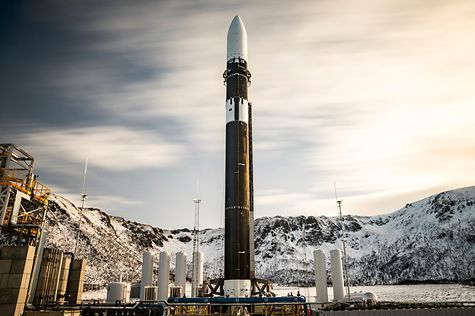
The German Bundestag held an Aktuelle Stunde on Thursday, 24 September 2026, on Isar Aerospace's successful Spectrum launch from Andøya, Norway, in early September — the first orbital flight from European continental soil. The parliamentary debate reflects how the commercial launcher story has become a matter of national industrial policy.
DLR plans first sea-based rocket launch next year
German aerospace centre DLR is planning a rocket launch from sea in the coming year, according to Hartpunkt, as part of efforts to address Europe's bottleneck in launchers and suitable launch sites. Sea-based launches could add flexibility to Europe's access-to-space infrastructure alongside Kourou, Andøya and future continental sites.
What it takes to reach 12, then 15 Ariane 6 flights — and the EU's move
Space Intel Report details what is needed to raise Ariane 6's annual flight rate to 12, 15 and beyond, published as Europe's launch sector met 23 September in Brussels for the second EU-level gathering on the issue. The message to Brussels: decisions on demand-side commitments are now the limiting factor, not just industrial capacity.
Local view
La Tribune obtained the most detailed account of ESA's cadence planning, with Naja spelling out the 12/15-per-year trajectory for Ariane 6 and the Vega-C ramp-up. Hartpunkt, the German engineering outlet, reports DLR's sea-launch plan for next year, noting that Europe has substantial satellite-building expertise but persistent gaps in launchers and launch sites. The Bundestag's own text archive documents the 24 September parliamentary debate on Isar Aerospace.
Context & numbers
- Target Ariane 6 cadence: 12 flights/year from late 2029, 15/year beyond 2030; current cruise-rate planning is 9–10/year
- Vega-C planning: six flights/year beyond 2027, possibly nine
- Europe's projected launch demand: 62 launches by 2034
- Ariane 6 capability: 21,650 kg to LEO in A64 configuration, 9 flights since July 2024
On the radar
- The EU launch-sector meeting in Brussels on 23 September may produce follow-up statements on demand-side commitments to Ariane 6 rate increases
- DLR's sea-based launch is planned for next year — watch for vehicle and platform details
- Isar Aerospace's next Spectrum flights will be closely watched as proof its early-September orbital success was repeatable
- Nature reports continuing EU efforts to ease reliance on US space infrastructure — worth tracking for Copernicus/Galileo procurement implications
This content was collected, curated, and summarized entirely by AI — including how and what to gather. It may contain inaccuracies. Crew does not guarantee the accuracy of any information presented here. Always verify facts on your own before acting on them. Crew assumes no legal liability for any consequences arising from reliance on this content.
Powered by
