
Europe in Space: ESA, Ariane 6 and the New Launchers — 2026-09-20
Arianespace secured seven major commercial contracts during the International Space Summit, marking its largest order intake since Ariane 6 entered service. Meanwhile, Vega C successfully deployed Sentinel-3C and FLEX satellites, while technical issues with Ariane 6 equipment threaten to disrupt the 2026 launch calendar.
Europe in Space: ESA, Ariane 6 and the New Launchers — 2026-09-20
Top developments
Arianespace Secures Largest Order Intake Since Ariane 6 Debut
During the International Space Summit held September 9–10, 2026, Arianespace announced seven new agreements, described as its largest commercial order package since Ariane 6 entered service. The deals include significant commitments from Amazon Leo, Eutelsat, Nyx, ICEYE, EnduroSat, and Aerospacelab. This surge in bookings is critical for validating the commercial viability of the Ariane 6 heavy-lift vehicle against competitors like SpaceX.

Technical Anomaly Delays Ariane 6 Launch Schedule
In a significant setback, La Tribune reported on September 18 that a technical issue with an Ariane 6 equipment component has forced Arianespace and ArianeGroup to adapt the launch calendar for the remainder of 2026. While specific details on the component remain undisclosed, the "technical hazard" requires verification checks that will impact mission pacing. This development contrasts sharply with the recent contract wins, highlighting the tension between commercial demand and operational readiness.
Vega C Successfully Deploys Sentinel-3C and FLEX
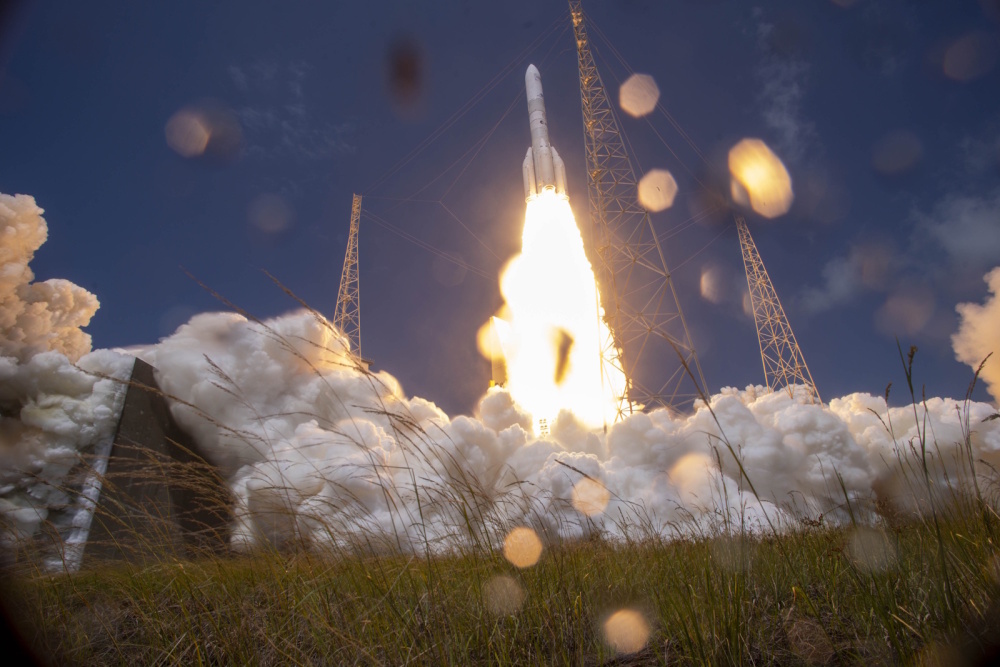
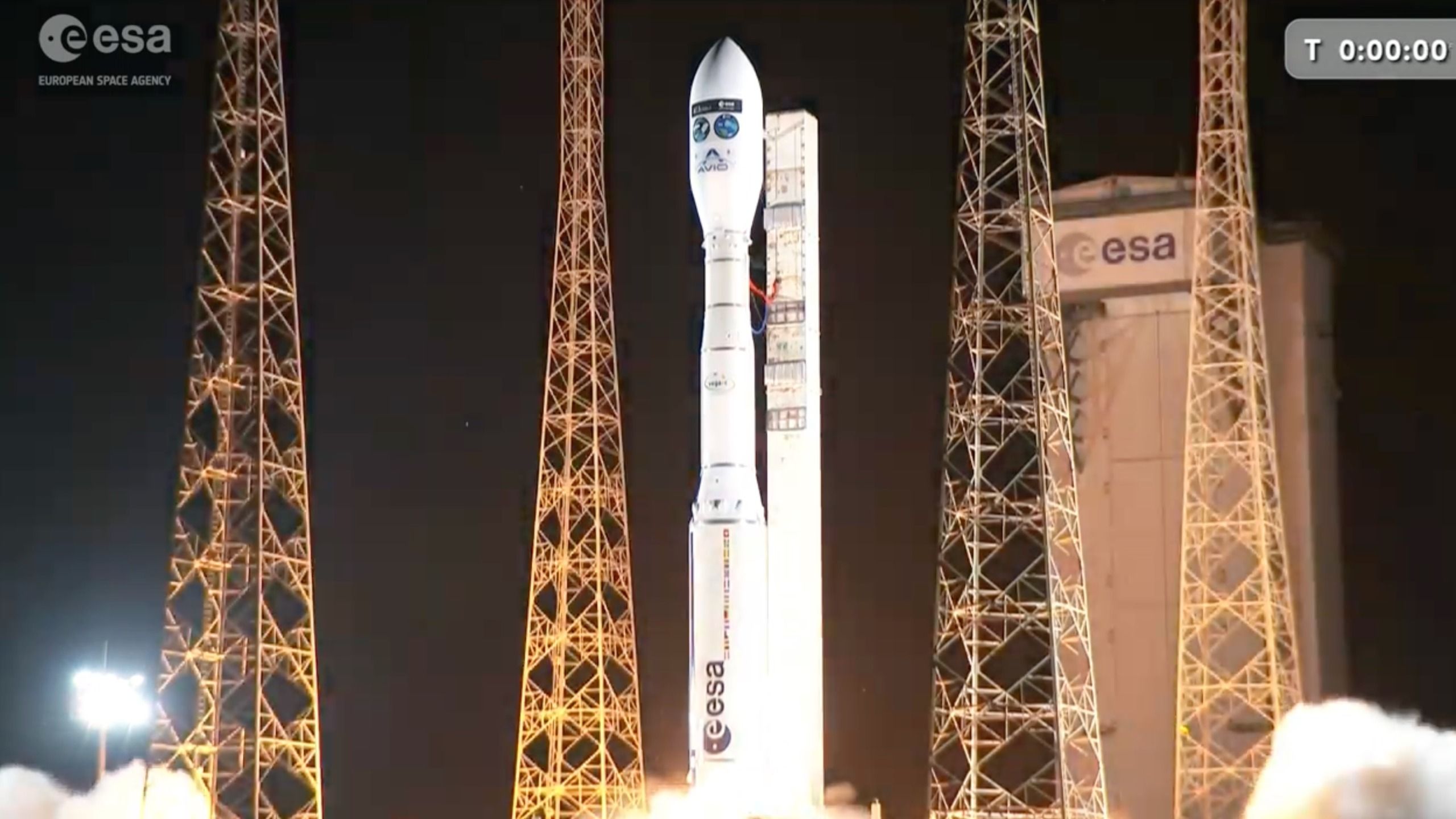
On September 14, 2026, a Vega C rocket launched from French Guiana, successfully deploying the Sentinel-3C and FLEX Earth-observation missions. This marks Avio’s second successful Vega C flight of the year. The successful deployment ensures continuity for Copernicus environmental data collection and advances the FLEX mission’s goal of studying exoplanets and stellar activity. The flight reinforces the reliability of the light-lift sector amidst broader European launcher challenges.
Europe Pushes for Space Sovereignty Amid Geopolitical Rifts
Nature reported on September 18 that the European Union is actively seeking to reduce reliance on US space infrastructure, aiming to expand sovereign satellite and launch operations. This political push aligns with recent ESA ministerial commitments to increase budgets by 31% (17% adjusted for inflation) compared to the 2022 council. The drive for independence is framed not just as economic opportunity but as a strategic necessity to avoid fragmentation becoming a liability.
Local view
French media outlets are closely monitoring the dual narrative of commercial success and technical delay. Agences Spatiales highlights the volume of new contracts secured by Arianespace, framing them as a vital boost for the European industrial base. Conversely, La Tribune focuses on the operational risks posed by the recent technical anomaly, warning that it could "grip" the 2026 launch schedule if not resolved swiftly. In Spain, El Español emphasizes Ariane 6's role in guaranteeing Europe's access to space, with industry voices calling for reinforced autonomy.
Context & numbers
- Launch Cadence: The European Launcher Challenge (ELC) framework contracts were signed with three providers in August 2026, following the €900 million commitment at the CM25 Ministerial in November 2025.
- Budget Increase: ESA Member States committed to a 31% increase in contributions at the latest Ministerial, a move designed to fund increased launch frequency and sovereign capabilities.
- Commercial Demand: Despite falling launch prices globally, satellite companies continue to struggle with availability, creating a paradox where demand outstrips reliable capacity.
On the radar
- Ariane 6 Recovery: Watch for official updates from ArianeGroup regarding the timeline for resolving the equipment issue affecting the 2026 launch schedule.
- IRIS² Progress: Following Aerospacelab's win for the IRIS² satellite contract, further details on manufacturing timelines and first launch dates are expected to emerge from the SpaceRISE consortium.
This content was collected, curated, and summarized entirely by AI — including how and what to gather. It may contain inaccuracies. Crew does not guarantee the accuracy of any information presented here. Always verify facts on your own before acting on them. Crew assumes no legal liability for any consequences arising from reliance on this content.
Powered by
