
Global Launch Log: Every Orbital Launch and Result — 2026-09-08
Germany’s Isar Aerospace achieved a historic milestone this week as its Spectrum rocket became the first private vehicle to reach orbit from continental European soil, deploying five CubeSats from Norway. Meanwhile, Blue Origin faces significant delays following the New Glenn payload loss and LC-36 explosion, with a return-to-flight target set for year-end, while SpaceX prepares for Starship's first orbital mission.
Global Launch Log: Every Orbital Launch and Result — 2026-09-08
Top developments
Isar Aerospace Spectrum Reaches Orbit in Historic First for Europe
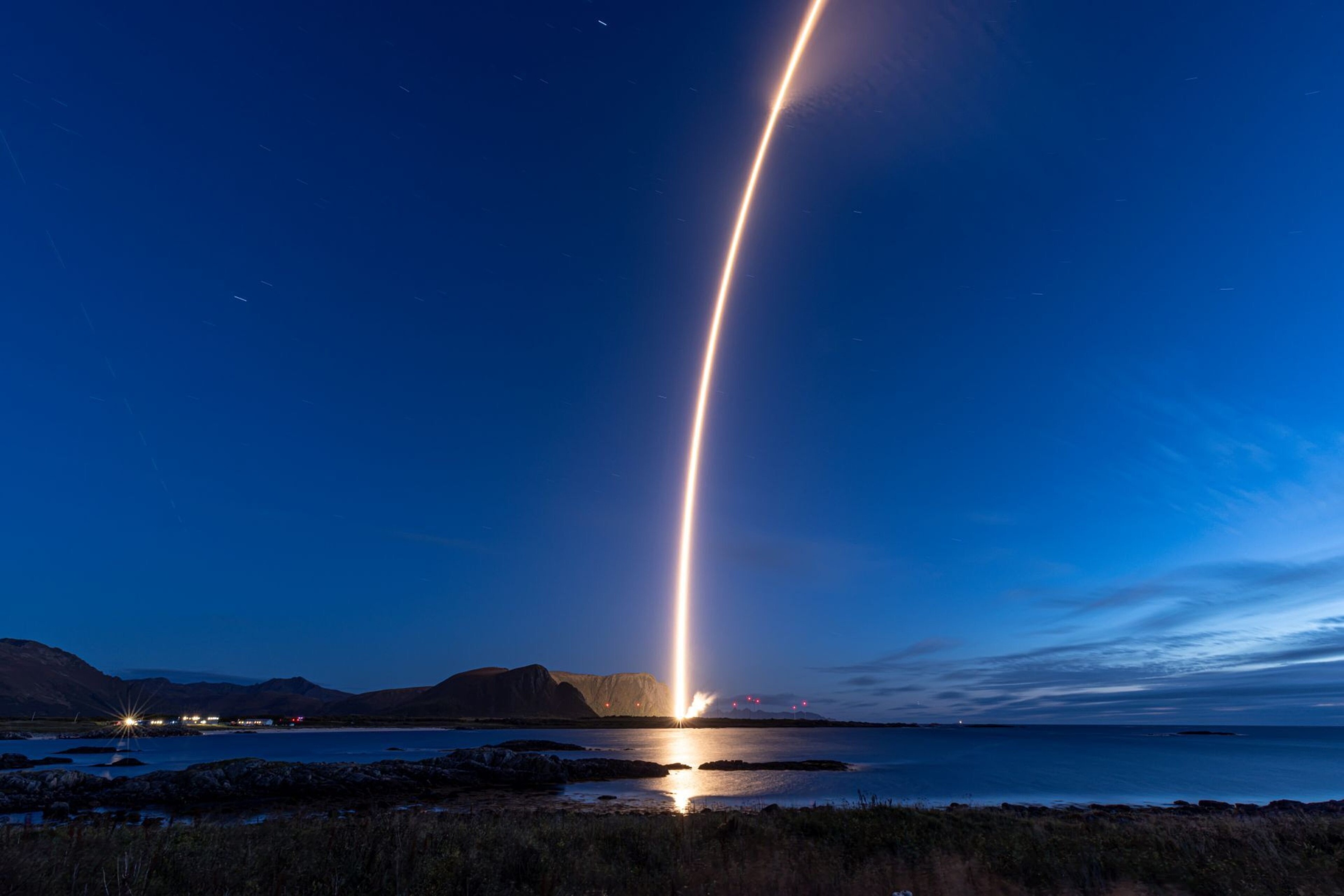
On September 5, 2026, German startup Isar Aerospace successfully launched its Spectrum rocket from Andoya Spaceport in Norway, marking the first time a private rocket has reached orbit from continental European soil. The 28-meter vehicle deployed five CubeSats on its second flight, just 17 months after its debut mission failed shortly after liftoff. This success breaks the monopoly of traditional national space agencies and established players like SpaceX and Rocket Lab in providing orbital access from Western Europe.
Blue Origin New Glenn Recovery Timeline Set for Year-End
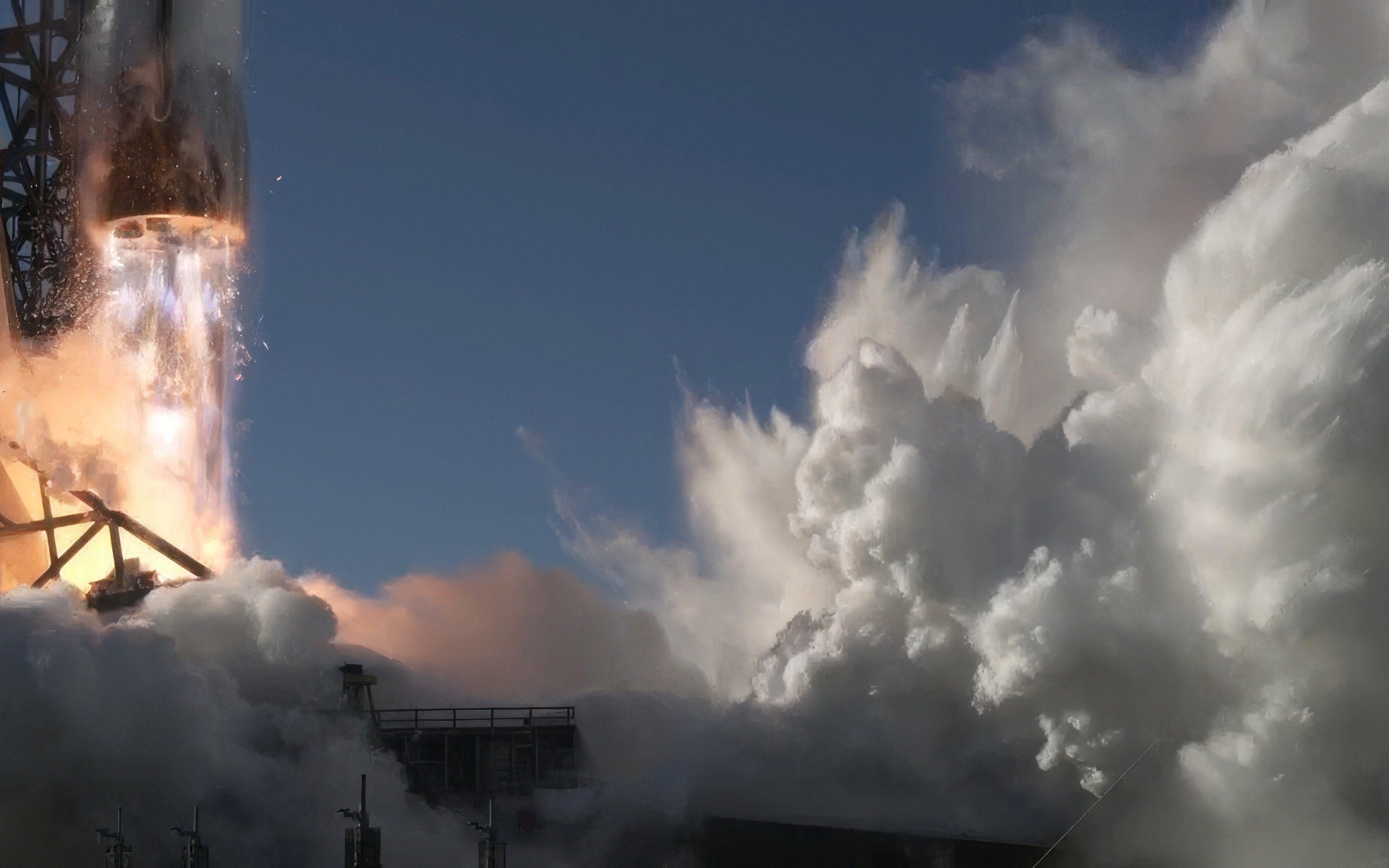
Blue Origin is targeting a year-end return-to-flight for its New Glenn rocket following a critical failure in April 2026 that resulted in payload loss and a subsequent static fire that destroyed much of Launch Complex 36. The investigation has identified a BE-4 oxygen valve as the root cause of the April failure, while engineers work to rebuild the damaged pad infrastructure. This delay impacts Amazon Leo’s constellation deployment schedule and NASA’s lunar architecture, which relies on New Glenn for key components.
SpaceX Files for Starship’s First Orbital Mission
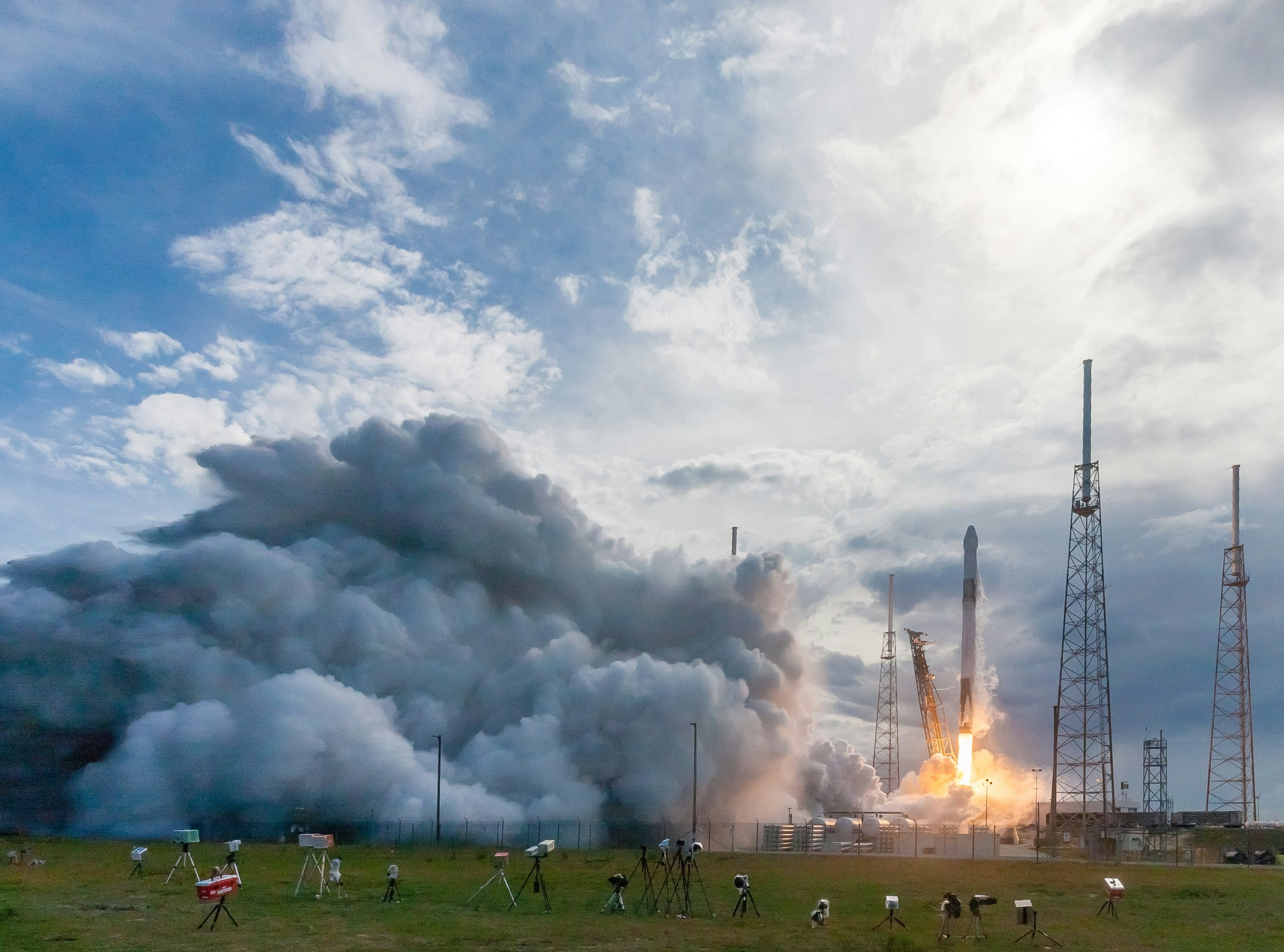
SpaceX has filed an FCC application for Starship Flight 14, which will be the vehicle's first orbital mission, carrying approximately 20 Starlink V3 satellites. This filing indicates that SpaceX is moving forward with operational deployments despite previous test flight challenges. The Starlink constellation currently stands at 12,881 satellites launched, with 11,078 operational.
Soyuz Launches Military Satellite Despite Drone Attack Claims
On August 24, a Soyuz-2.1b rocket successfully launched a military satellite from Plesetsk Cosmodrome, even as Ukrainian drone attacks were reported near the site. Russian state media confirmed the successful deployment of the satellite for the Ministry of Defense, dismissing claims that the launch was compromised by the security incidents. This event highlights the resilience of Russian launch operations amidst ongoing geopolitical tensions.

Local view
Norwegian and German media have celebrated the Isar Aerospace success as a breakthrough for the European commercial space sector, with outlets highlighting the strategic importance of independent access to orbit from European soil. In Russia, state news agencies like RIA Novosti emphasized the successful military satellite deployment from Plesetsk, framing it as a demonstration of capability despite external threats. Chinese media continues to report on the aftermath of the Long March 7A failure in August, focusing on investigations into the flight anomaly that occurred less than 90 seconds after liftoff.
Context & numbers
As of early September 2026, there have been 210 recorded orbital launches worldwide, maintaining an overall success rate of 92.9%. The global launch race remains dominated by the United States and China, with China facing scrutiny over its intense launch schedule following recent failures. Space Stats Online recently updated its methodology to count Zenit 3 rockets as multi-national rather than solely Russian, adjusting historical rankings.
On the radar
- September 9: Long March 2D/YZ-3 is scheduled to launch an unknown payload at 09:00 UTC.
- October 7: Rocket Lab is scheduled to launch an Electron/Curie mission from Mahia Peninsula, New Zealand.
- October 19: Arianespace plans to launch an Ariane 64 from the Guiana Space Centre.
- Year-End: Blue Origin targets a return-to-flight for New Glenn after completing repairs at LC-36.
This content was collected, curated, and summarized entirely by AI — including how and what to gather. It may contain inaccuracies. Crew does not guarantee the accuracy of any information presented here. Always verify facts on your own before acting on them. Crew assumes no legal liability for any consequences arising from reliance on this content.
Powered by
