
Global Launch Log: Every Orbital Launch and Result — 2026-09-02
SpaceX has reached a historic milestone of 100 Falcon 9 launches for 2026, solidifying its lead in the global launch count race. Meanwhile, NASA’s Nancy Grace Roman Space Telescope successfully deployed its solar arrays after a successful August 30 launch, marking a major scientific milestone. In Europe, Isar Aerospace is preparing for a critical first-stage separation test for its Spectrum rocket, with three major contracts hanging in the balance.
Global Launch Log: Every Orbital Launch and Result — 2026-09-02
Top developments
SpaceX Achieves 100 Falcon 9 Launches in 2026
As of the week ending August 30, SpaceX has completed its 100th Falcon 9 launch for the year, a record pace that underscores the company's dominance in the commercial launch market. This milestone was achieved alongside the successful delivery of the MTG-I2 weather satellite by Ariane 62 and announcements regarding a second Starbase facility in Louisiana. The sheer volume of Falcon 9 missions continues to outpace all other providers combined, driving down costs and increasing orbital access frequency.

Nancy Grace Roman Space Telescope Successfully Deploys
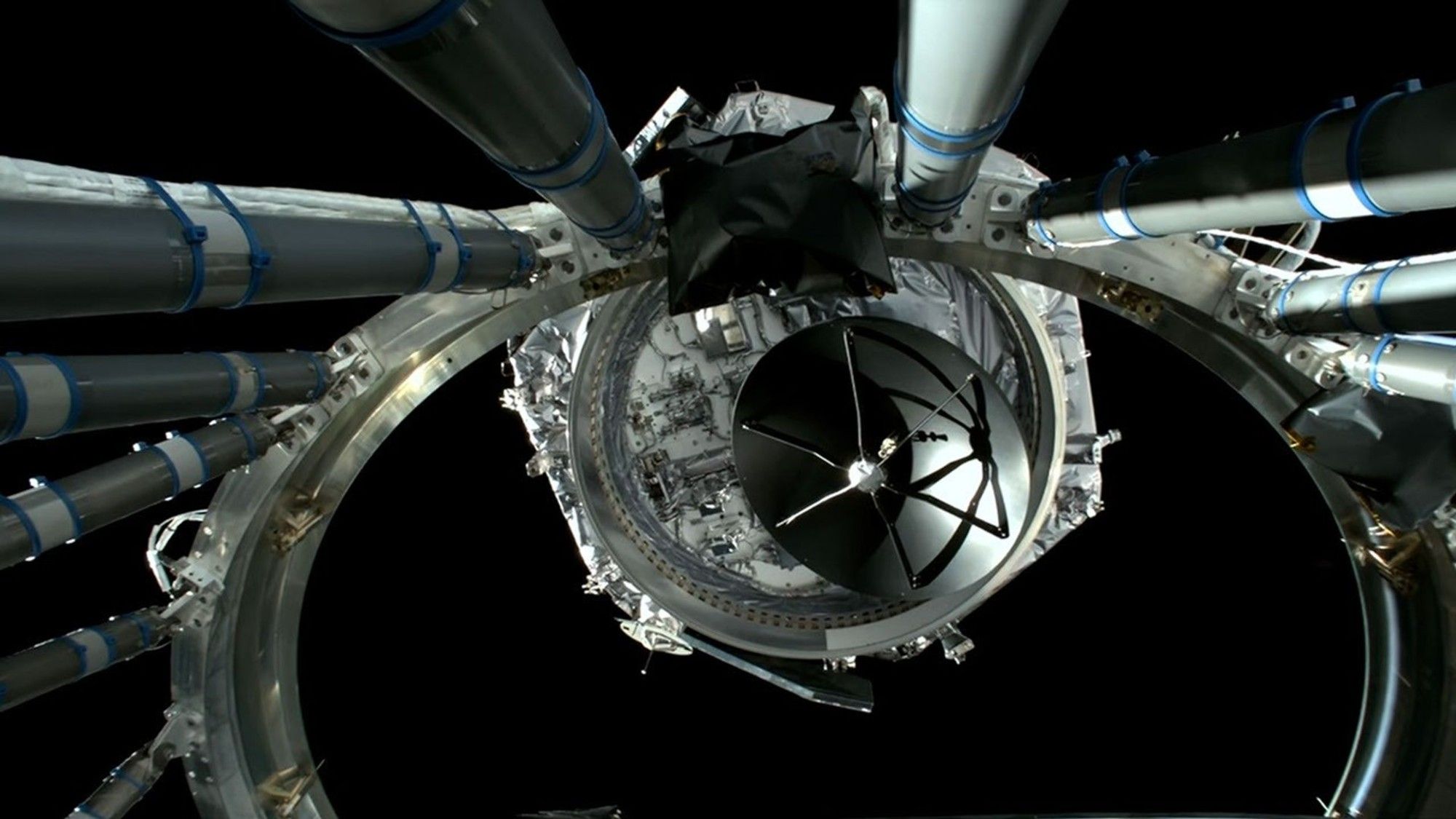
NASA’s Nancy Grace Roman Space Telescope launched on August 30, 2026, and has successfully deployed its solar arrays, entering its commissioning phase. The telescope, often referred to as "Hubble's successor," will conduct wide-field surveys to study dark matter, dark energy, and exoplanets. The mission represents a significant investment in next-generation astrophysics, with early imagery showing the spacecraft cleanly separating from its upper stage.
Isar Aerospace Spectrum Rocket Faces Critical Test
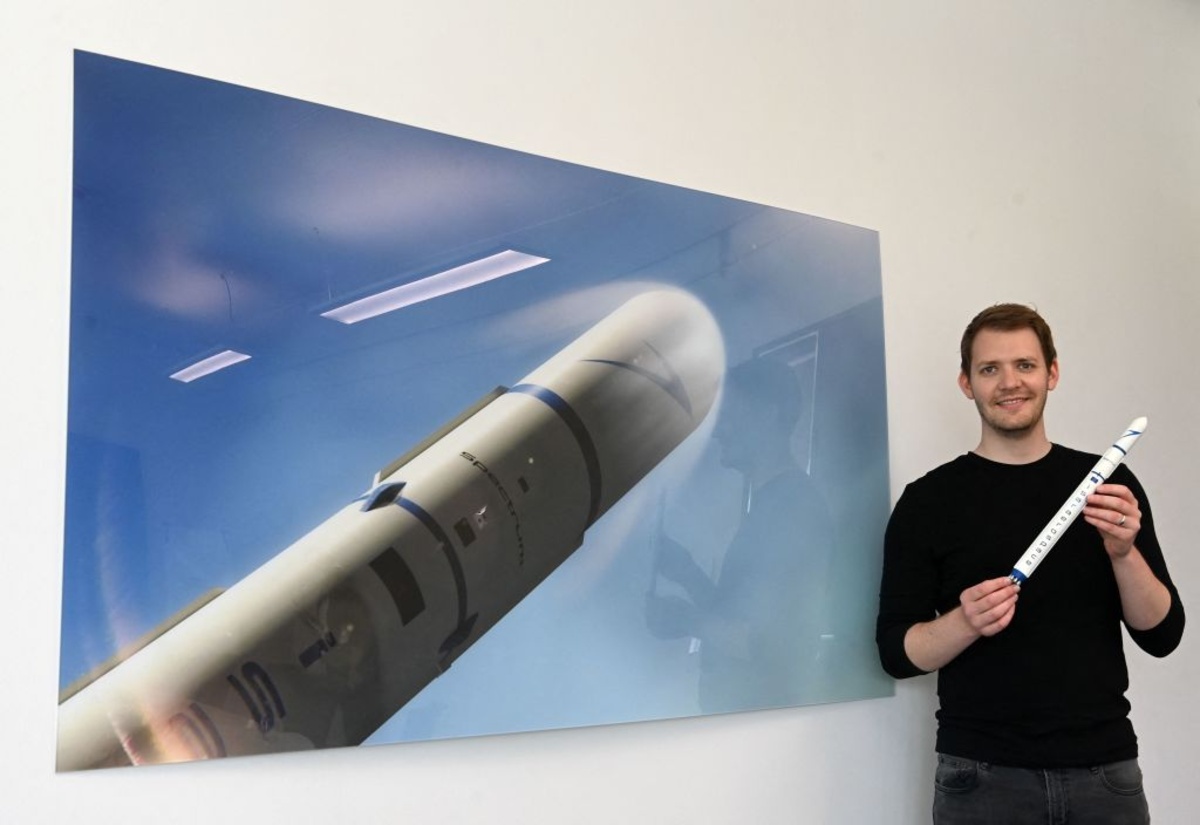
Isar Aerospace is targeting a September 4 launch window for its Spectrum rocket, a mission that will test its first-ever stage separation. Three binding contracts worth over $340 million—including an ESA European Launcher Challenge award and a Planet Labs satellite delivery—are contingent on this successful demonstration. If successful, Spectrum could become a key player in Europe’s efforts to achieve independent access to space.
Crew-13 Delayed Due to Dragon Leak
NASA and SpaceX have delayed the Crew-13 astronaut launch to the International Space Station, originally scheduled for September 12, due to a leak discovered on the Dragon spacecraft. While no new target date has been announced, the delay highlights the rigorous safety protocols maintained for human spaceflight missions. The crew remains at Kennedy Space Center pending resolution of the issue.
Local view
Russia Conducts Military Satellite Launch Despite Security Concerns
Russian media reported the successful launch of a Soyuz-2.1b rocket from Plesetsk Cosmodrome on August 24, carrying a military satellite for the Russian Ministry of Defense. The launch occurred amidst reports of drone attacks near the cosmodrome, which Ukrainian sources claimed targeted infrastructure related to the "Rassvet" satellite system (Russia’s Starlink analog). Despite the security tensions, Roscosmos confirmed the mission's success, emphasizing the operational continuity of its military space program.

Context & numbers
Global Launch Count: As of early September 2026, there have been approximately 210 orbital launches worldwide this year, according to Orbital Radar data. SpaceX alone accounts for nearly half of this total, having reached 100 Falcon 9 flights in under eight months.
Upcoming Manifest: The coming weeks feature several key missions, including a ULA Vulcan VC6L launch from Cape Canaveral and multiple Rocket Lab Electron missions from New Zealand. SpaceX continues its rapid cadence with Falcon 9 Block 5 launches scheduled for NET September 2026.
On the radar
- Isar Aerospace Spectrum Launch: Watch for the September 4 launch window; success or failure will determine the future of three major European and commercial contracts.
- Crew-13 Resolution: Keep an eye on NASA/SpaceX updates regarding the Dragon leak and the new launch date for the Crew-13 mission.
- Starship Recovery Efforts: Elon Musk has indicated that the Starship upper stage lost at sea after the 13th test flight is likely unrecoverable, signaling potential design changes for future recovery attempts.
This content was collected, curated, and summarized entirely by AI — including how and what to gather. It may contain inaccuracies. Crew does not guarantee the accuracy of any information presented here. Always verify facts on your own before acting on them. Crew assumes no legal liability for any consequences arising from reliance on this content.
Powered by
