
Global Launch Log: Every Orbital Launch and Result — 2026-09-03
SpaceX reached a historic milestone of 100 Falcon 9 launches in 2026 as the year's launch cadence intensifies. Meanwhile, Europe's Isar Aerospace prepares for a high-stakes debut of its Spectrum rocket, with three major contracts hinging on its first successful stage separation.
Global Launch Log: Every Orbital Launch and Result — 2026-09-03
Top developments
SpaceX reaches 100 Falcon 9 launches in 2026
By late August 2026, SpaceX had completed 100 Falcon 9 launches for the year, a record-setting pace driven primarily by Starlink deployments. This milestone underscores the company's dominance in global orbital access, with launches occurring nearly every other day. The frequency has normalized rapid booster reuse, with many flights utilizing boosters on their 15th or higher flight.
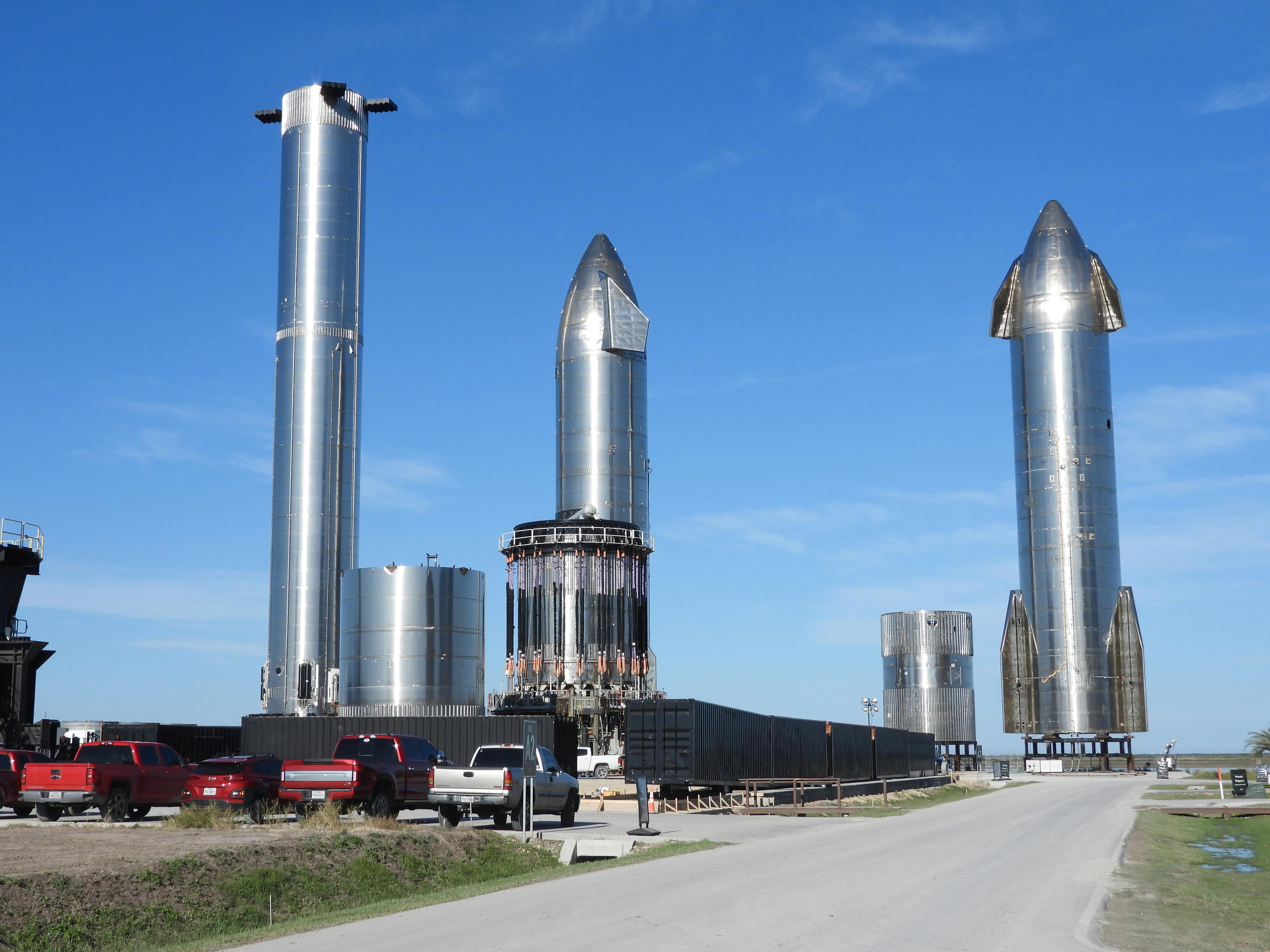
Oldest active Falcon 9 booster completes 35th flight
On September 2, 2026, SpaceX flew booster B1063 for the 35th time, making it the oldest active booster in the fleet by first-flight date. The mission launched Starlink satellites from Vandenberg Space Force Base. This achievement highlights the maturity of SpaceX's reusability program, pushing the boundaries of hardware life extension beyond initial design expectations.
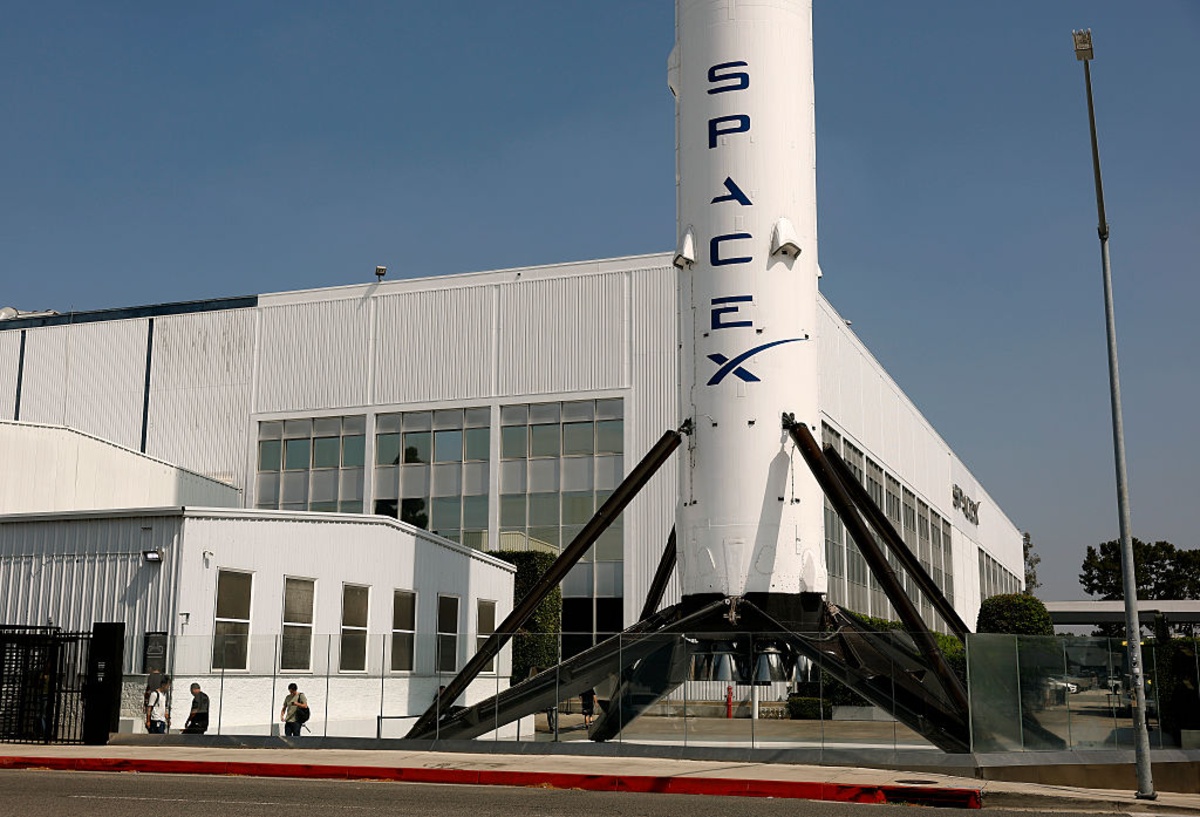
Isar Aerospace Spectrum targets September 4 debut
Isar Aerospace is scheduled to attempt its first orbital launch of the Spectrum rocket on September 4, 2026, from Andøya Spaceport in Norway. The mission carries three binding contracts worth over $340 million, including an ESA European Launcher Challenge award and a Planet Labs delivery. Success hinges on the rocket's first-ever stage separation, a critical technical hurdle for the European startup.
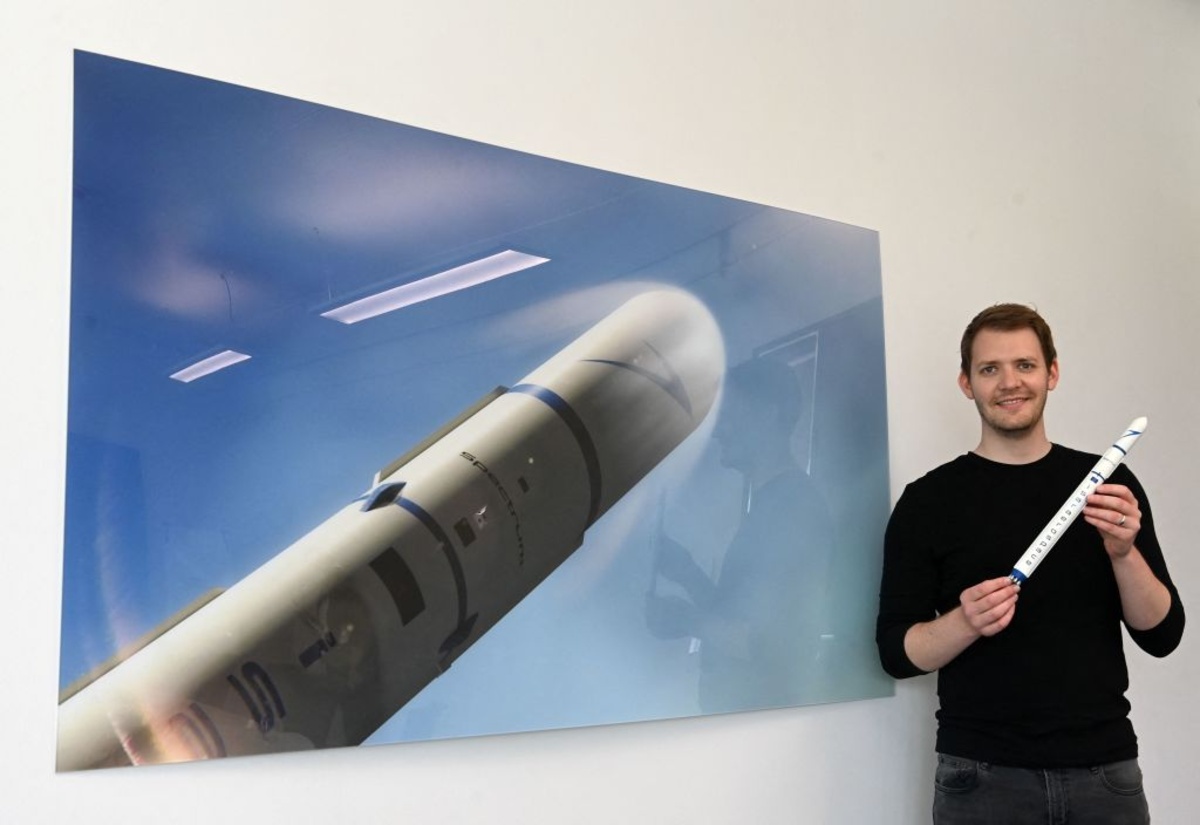
Roman Telescope launch preparations conclude
The Nancy Grace Roman Space Telescope, set to launch on a SpaceX Falcon Heavy, progressed through final integrations in late August. NASA and SpaceX celebrated the readiness of the observatory, which is poised to revolutionize infrared astronomy. The launch window was targeted for early September, marking a major scientific milestone following years of development.
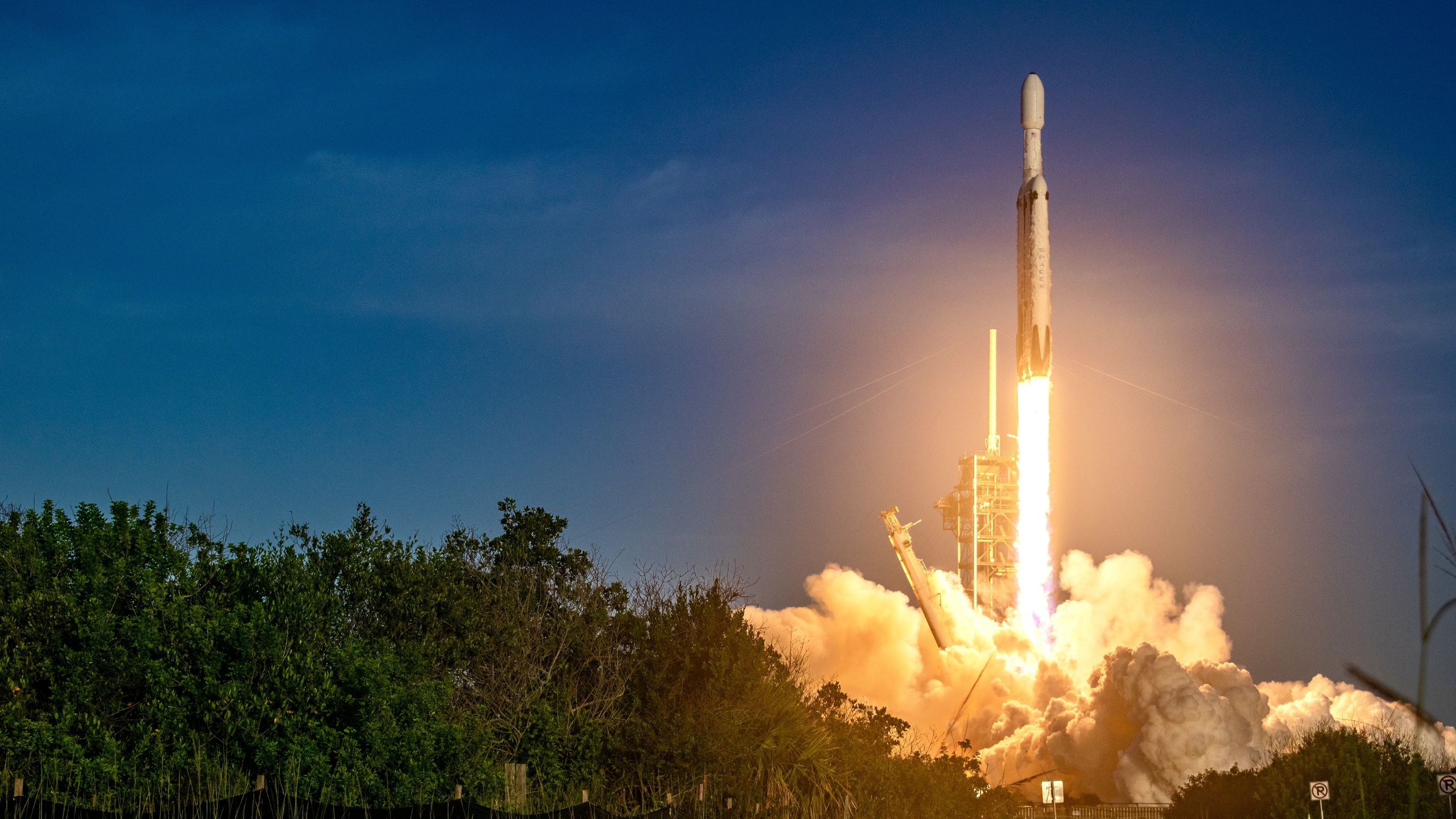
Local view
In China, state media reported the successful launch of seven satellites aboard the Long March-6C from Taiyuan Satellite Launch Center on August 25. Xinhua highlighted the mission's precision and the continued reliability of the Long March family despite recent anomalies. Local coverage emphasized the "one rocket, seven stars" capability as a testament to China's growing commercial and civil space infrastructure.

Context & numbers
The global orbital launch count for 2026 has surpassed 210 attempts as of early September, according to orbital radar data. This pace suggests 2026 will likely exceed previous annual records. SpaceX continues to account for a significant majority of these launches, while national providers like China's CASC and Russia's Roscosmos maintain steady, albeit lower-volume, cadences.
On the radar
- Starship Flight 14: A new FCC filing targets September 15, 2026, for Starship Flight 14, which will be the first attempt to deploy Starlink V3 satellites.
- Vulcan VC6L: ULA is preparing for a Vulcan launch carrying Amazon Leo satellites from Cape Canaveral in early October, following recent successful tests.
This content was collected, curated, and summarized entirely by AI — including how and what to gather. It may contain inaccuracies. Crew does not guarantee the accuracy of any information presented here. Always verify facts on your own before acting on them. Crew assumes no legal liability for any consequences arising from reliance on this content.
Powered by
