
Global Launch Log: Every Orbital Launch and Result — 2026-10-16
SpaceX’s Falcon 9 booster B1081 is set to make its record-breaking 28th flight this week with the classified USSF-481 mission from Vandenberg, while China’s commercial sector successfully deployed ten satellites via a Zhuque-2E rocket. Meanwhile, Blue Origin has formally requested FAA approval for a high-cadence launch schedule following the reconstruction of its New Glenn pad, and ULA’s Vulcan rocket remains grounded as national security payloads shift to SpaceX.
Global Launch Log: Every Orbital Launch and Result — 2026-10-16
Top developments
SpaceX Falcon 9 B1081 Reaches Historic 28th Flight for USSF-481
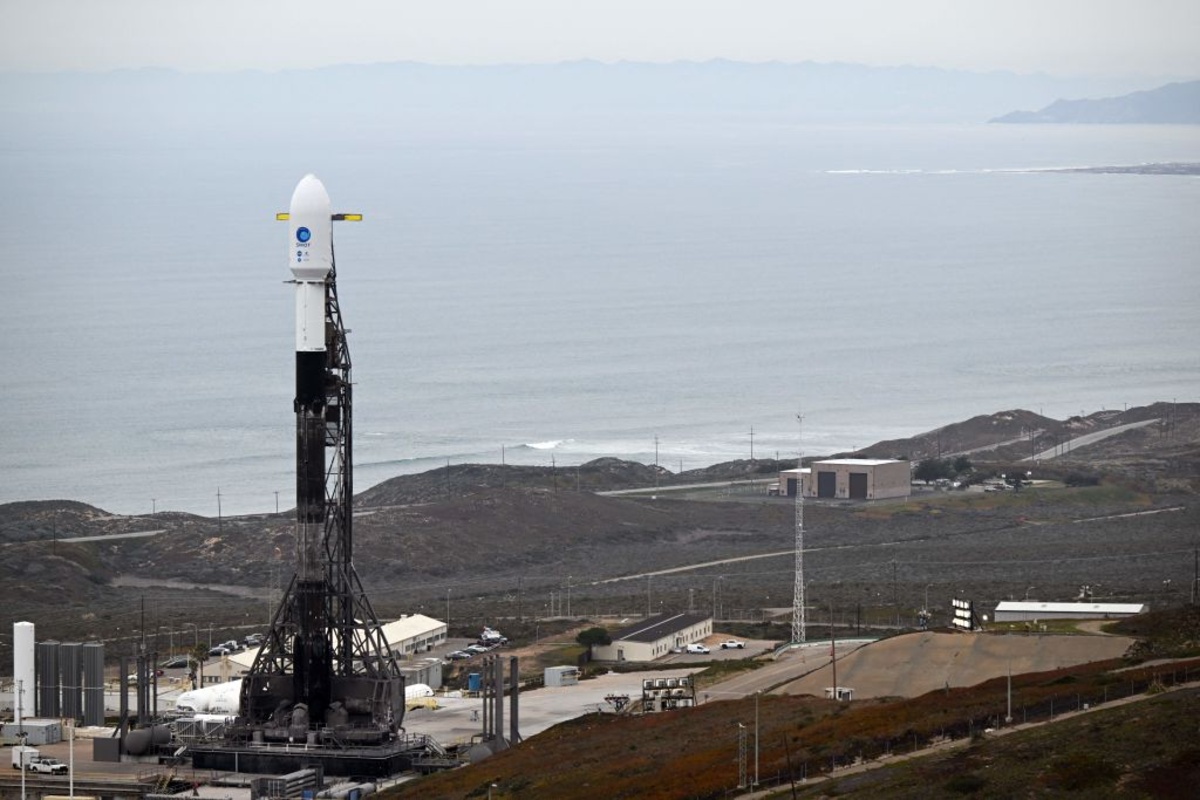
On October 15, 2026, SpaceX launched the USSF-481 mission from Vandenberg Space Force Base using Falcon 9 booster B1081. This flight marks the 28th reuse of this specific booster, setting a new milestone in rocket reusability. The mission supports the Pentagon’s $1.6 billion PWSA missile-sensing satellite network, a critical component of the Golden Dome architecture.
China’s Zhuque-2E Deploys Ten Satellites in Single Launch
On October 14, 2026, at 19:40 Beijing time, LandSpace successfully launched the Zhuque-2E Y4 (ZQ-2E Y4) rocket from the Dongfeng Commercial Space Innovation Test Zone. The mission utilized a "one-rocket-ten-satellites" configuration to deploy ten satellites, including Guoxing Aerospace’s Star Era-39 and 44–50 series, as well as Guangchuan-03 and 04. This success highlights the increasing cadence of China’s commercial liquid-oxygen/methane launch capabilities.


Blue Origin Seeks FAA Approval for 50 Annual New Glenn Launches
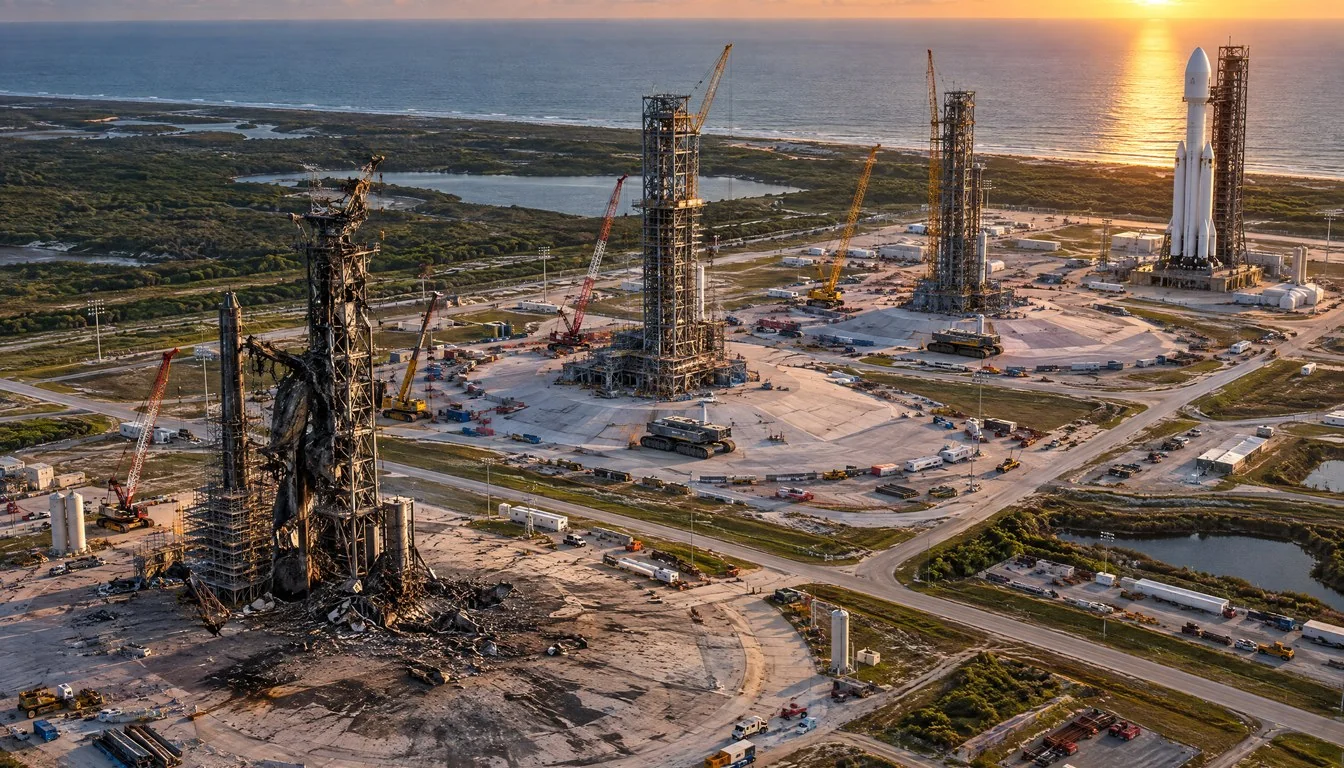
Blue Origin has submitted a request to the Federal Aviation Administration (FAA) to increase its launch capacity to 50 missions per year. This move follows the completion of a $330 million rebuild of its Florida launch pad after an explosion in May 2026. If approved, this would significantly increase New Glenn’s operational tempo to compete with SpaceX’s high-frequency Falcon 9 schedule.
ULA’s Vulcan Remains Grounded; Pentagon Shifts Missions to Falcon 9
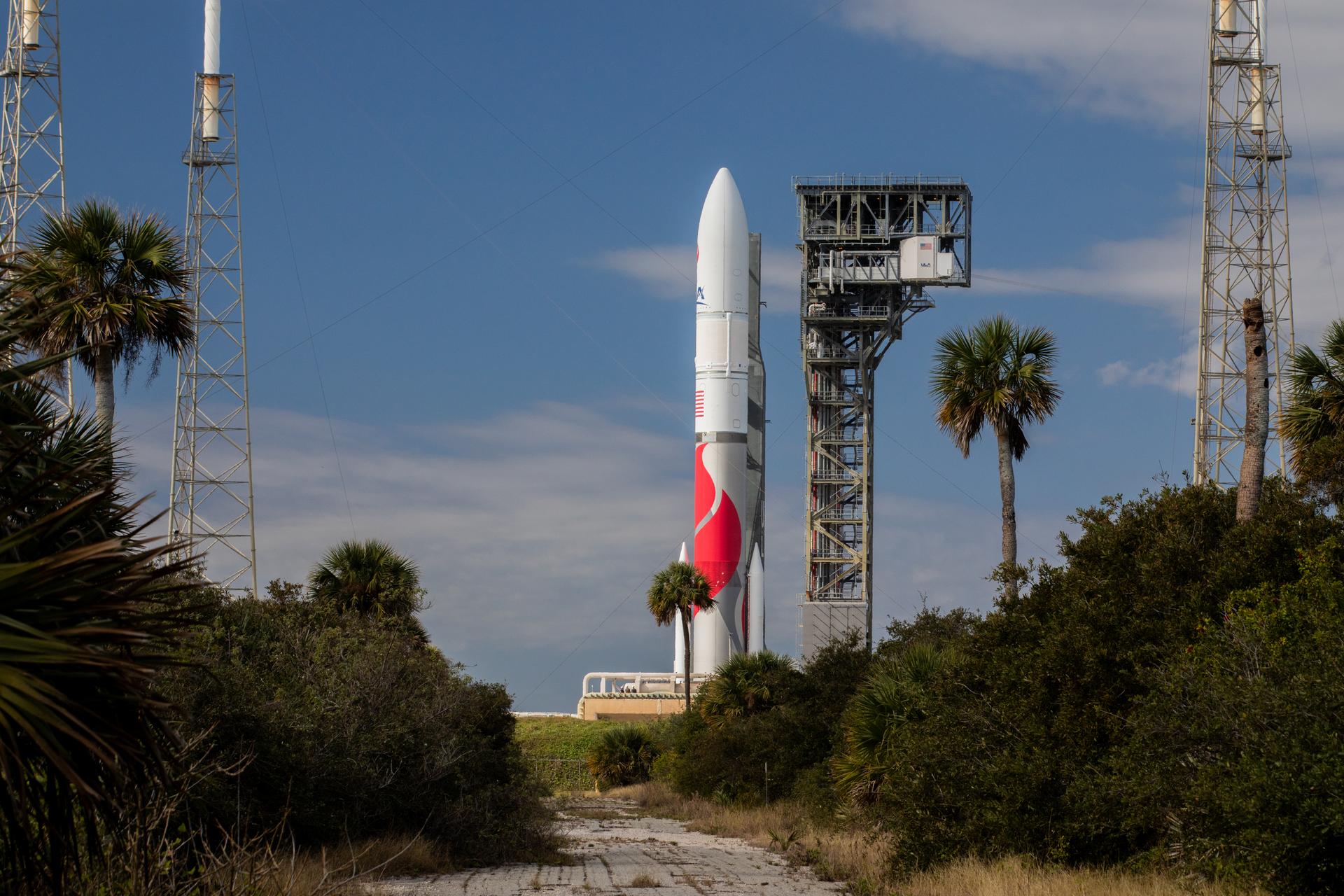
United Launch Alliance’s Vulcan Centaur rocket remains grounded seven months after a booster nozzle failure during the USSF-87 mission in February 2026. Consequently, the Space Force has reassigned several national security missions to SpaceX’s Falcon 9, including GPS III SV-10. ULA officials stated recently that they are "weeks away" from returning Vulcan to flight, but the two-provider architecture for national security launches remains compromised.
Local view
In China, state media and tech outlets emphasized the success of the Zhuque-2E Y4 as a sign of maturing commercial space infrastructure. Sina News reported that the successful deployment of ten satellites in a single ride-share mission demonstrates the reliability of domestic methane-fueled rockets for large constellation deployments.
Context & numbers
As of mid-October 2026, there have been 246 recorded orbital launches globally, according to Orbital Radar’s database. The overall success rate for these 2026 attempts stands at approximately 92.9%. The global launch database now tracks over 7,430 orbital launches since 1957.
On the radar
- Vulcan Return-to-Flight: ULA executives indicate a return-to-flight window is imminent ("weeks away"), though no specific date has been confirmed by the Space Force.
- Blue Origin Pad Reconstruction: The $330 million rebuild at LC-36 in Cape Canaveral is nearing completion, with FAA review pending for the new 50-launch/year license.
- Next Week’s Manifest: Upcoming launches include multiple Falcon 9 Starlink missions and Rocket Lab Electron flights from New Zealand, continuing the high-cadence pattern observed throughout Q4 2026.
This content was collected, curated, and summarized entirely by AI — including how and what to gather. It may contain inaccuracies. Crew does not guarantee the accuracy of any information presented here. Always verify facts on your own before acting on them. Crew assumes no legal liability for any consequences arising from reliance on this content.
Powered by
