
Global Launch Log: Every Orbital Launch and Result — 2026-09-17
SpaceX has confirmed Starship Flight 14 for September 22, marking the vehicle's first orbital attempt and deploying revenue-generating Starlink V3 satellites. Meanwhile, China successfully launched a Kuaizhou-11 rocket with two Tianyi satellites today, and Russia delivered over 2.4 tons of cargo to the ISS via Progress MS-35, as the global launch count approaches 216 attempts for the year.
Global Launch Log: Every Orbital Launch and Result — 2026-09-17
Top developments
Starship Flight 14 Confirmed for Orbital Debut
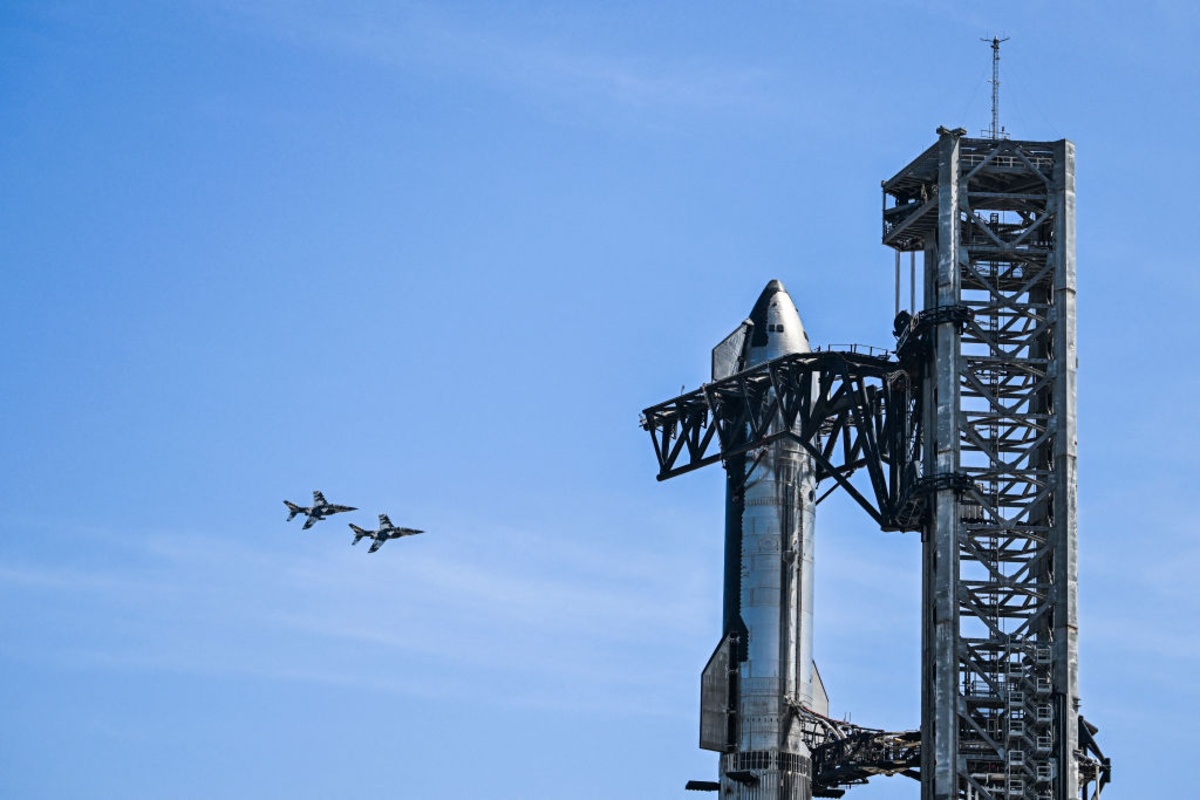
SpaceX has officially set September 22 as the launch date for Starship Flight 14, which will be the first mission to attempt orbital insertion for the Super Heavy/Starship stack. The flight will carry 26 Starlink V3 satellites, a payload SpaceX CFO Bret Johnsen described as "revenue-generating," signaling a shift from test flights to operational deployment. This milestone follows the disclosure of the ice-clogging failure that destroyed Booster 20 during Flight 13, prompting hardware modifications for the upcoming attempt.
Kuaizhou-11 Successfully Delivers Tianyi Satellites
On September 17 at 10:40 AM Beijing Time, China’s CAS Space launched a Kuaizhou-11 (KZ-11) Y3 rocket from the Jiuquan Satellite Launch Center, successfully placing the Tianyi 51 and 52 satellites into their预定 orbits. This marks the seventh flight for the KZ-11 vehicle and continues China’s rapid cadence of solid-fuel orbital launches, adding to the momentum seen earlier this week when a Long March 4B deployed six remote sensing satellites.
Progress MS-35 Delivers Cargo to ISS
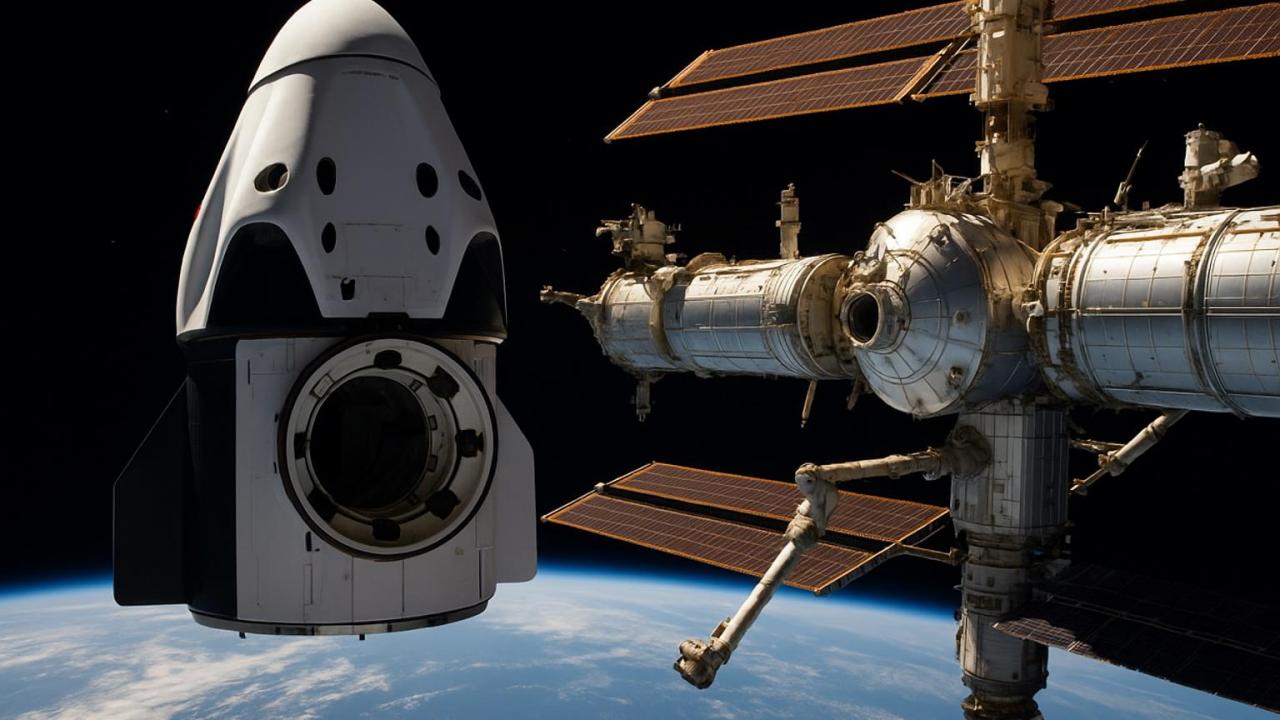
Russia launched the Soyuz-2.1b rocket carrying the Progress MS-35 cargo spacecraft from Baikonur Cosmodrome on September 16. The mission delivers over 2.4 tons of supplies to the International Space Station, including specialized equipment for the "Teledroid" experiment, which involves controlling a robot from Earth. The successful launch underscores Roscosmos's continued role in ISS logistics despite broader geopolitical tensions.
Falcon 9 Launches Classified Starshield Mission
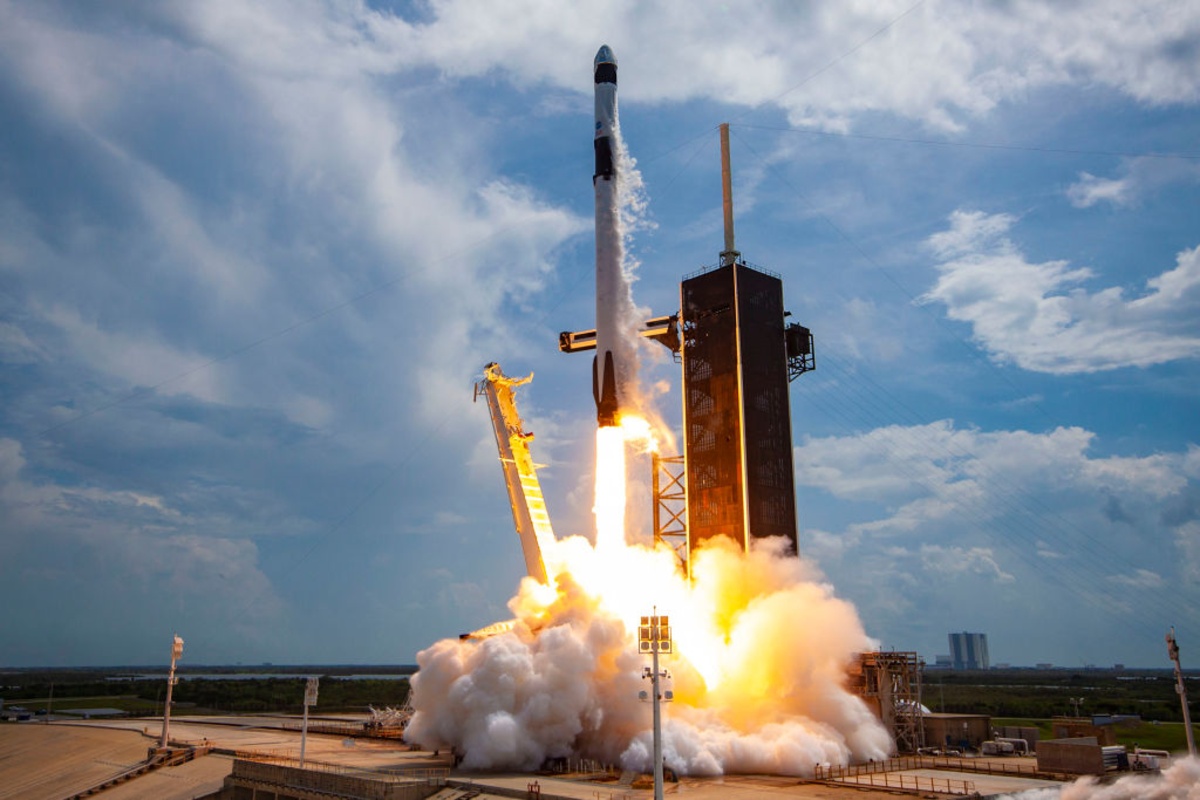
On the evening of September 16, a SpaceX Falcon 9 rocket lifted off from Vandenberg Space Force Base carrying a classified batch of Starshield satellites for the U.S. Space Force. This mission represents the third national security launch in five weeks and is part of the Pentagon’s $17 billion investment in proliferated low Earth orbit satellites designed to be resilient against attack. The frequent launches highlight the accelerating pace of military space infrastructure development.
Local view
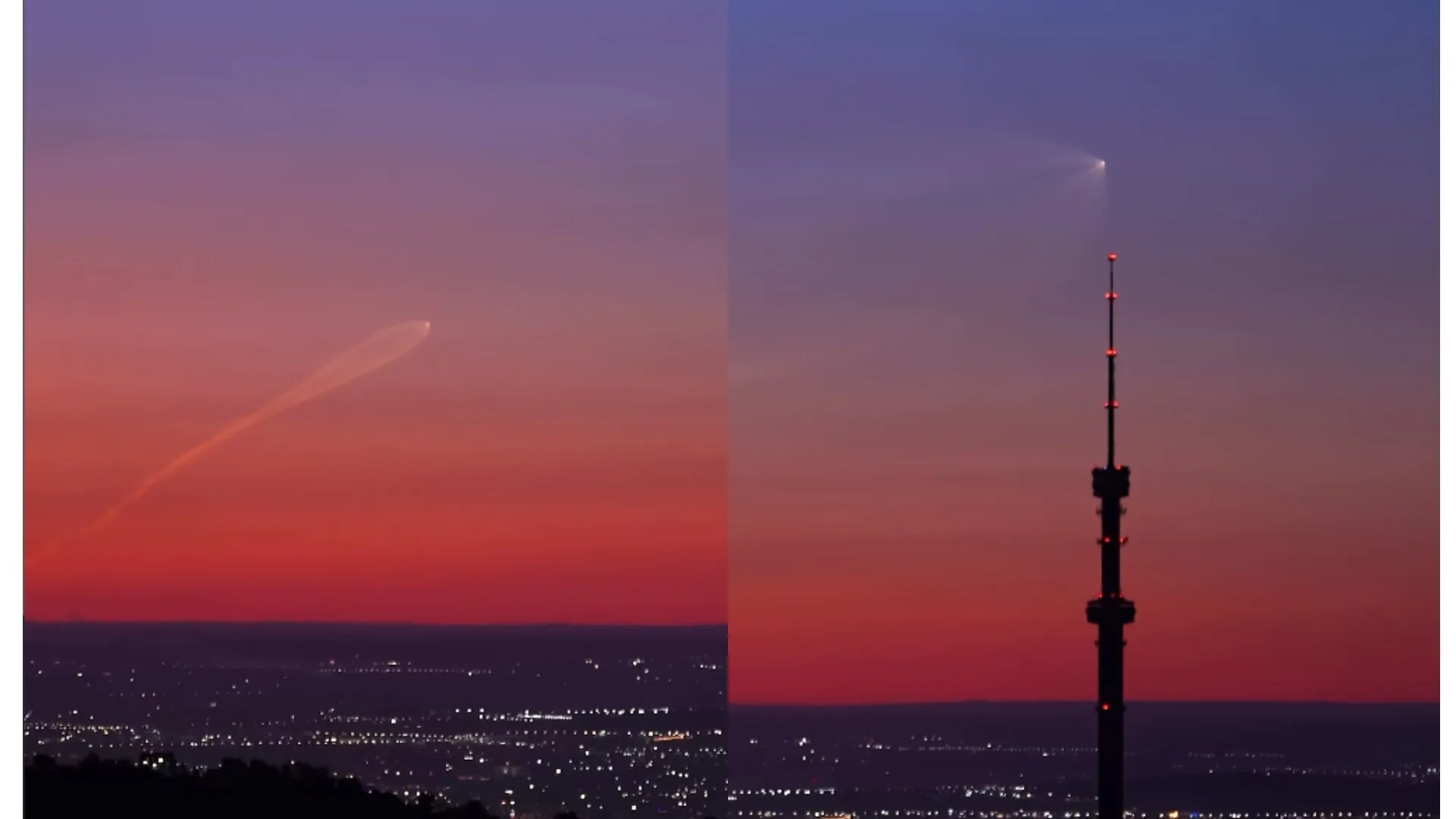
In Kazakhstan, local media highlighted the visual spectacle of the Progress MS-35 launch, with photographer captures of the rocket’s trail in the night sky over Almaty being described as "rare and valuable footage" by Zakon.kz. The coverage emphasizes the shared cultural significance of Baikonur launches for the region, noting how the event drew public attention beyond standard news cycles.
In China, state-affiliated outlets like Sina Finance and 17173 focused heavily on the technical success of the "one rocket, six satellites" Long March 4B mission on September 10 and the subsequent Kuaizhou-11 success on September 17. Reports emphasize the reliability of commercial providers like CAS Space alongside state-run CASC vehicles, framing these successes as critical steps toward global satellite internet coverage via constellations like Qianfan.
Context & numbers
As of mid-September 2026, there have been approximately 216 orbital launch attempts worldwide, according to data from Orbital Radar. This pace suggests the year is on track to surpass the 325 attempts recorded in 2025, driven largely by high-cadence operators like SpaceX and Chinese commercial entities.
The global success rate remains high, with 2025 seeing a 96.1% success rate across 325 attempts. Current anomalies are limited; while a Long March 6C breakup was noted in LEO debris reports in early September, most recent flights have achieved nominal orbits.
On the radar
- Starship Flight 14 (Sept 22): All eyes will be on SpaceX’s attempt to reach orbit and deploy Starlink V3s. Success here would validate the vehicle for operational use.
- Vulcan VC6L Debut: United Launch Alliance is preparing to resume launching the Vulcan rocket, with a debut of the Block 2 iteration delayed from Summer 2026 now expected soon. This is critical for Amazon Leo and national security payloads.
- H3 Commercial Deal: Japan’s H3 rocket has secured its first commercial SAR constellation customer, iQPS, signing a rideshare agreement for three QPS-SAR satellites backed by government subsidies, marking a key commercial milestone for Mitsubishi Heavy Industries.
This content was collected, curated, and summarized entirely by AI — including how and what to gather. It may contain inaccuracies. Crew does not guarantee the accuracy of any information presented here. Always verify facts on your own before acting on them. Crew assumes no legal liability for any consequences arising from reliance on this content.
Powered by
