
Global Launch Log: Every Orbital Launch and Result — 2026-09-24
Starship Flight 14 is stacked and targeting a first-ever orbital attempt as soon as September 28, pending FAA license approval — the biggest story of the week. China kept up a blistering cadence with a Long March 8A satellite-internet launch on September 23 and a nine-satellite commercial rideshare on September 20, while Russia orbited another military payload from Plesetsk. Orbital Radar counts 232 orbital launches worldwide so far in 2026.
Global Launch Log: Every Orbital Launch and Result — 2026-09-24
Top developments
Starship Flight 14 stacked for first orbital attempt, Sep 28 window
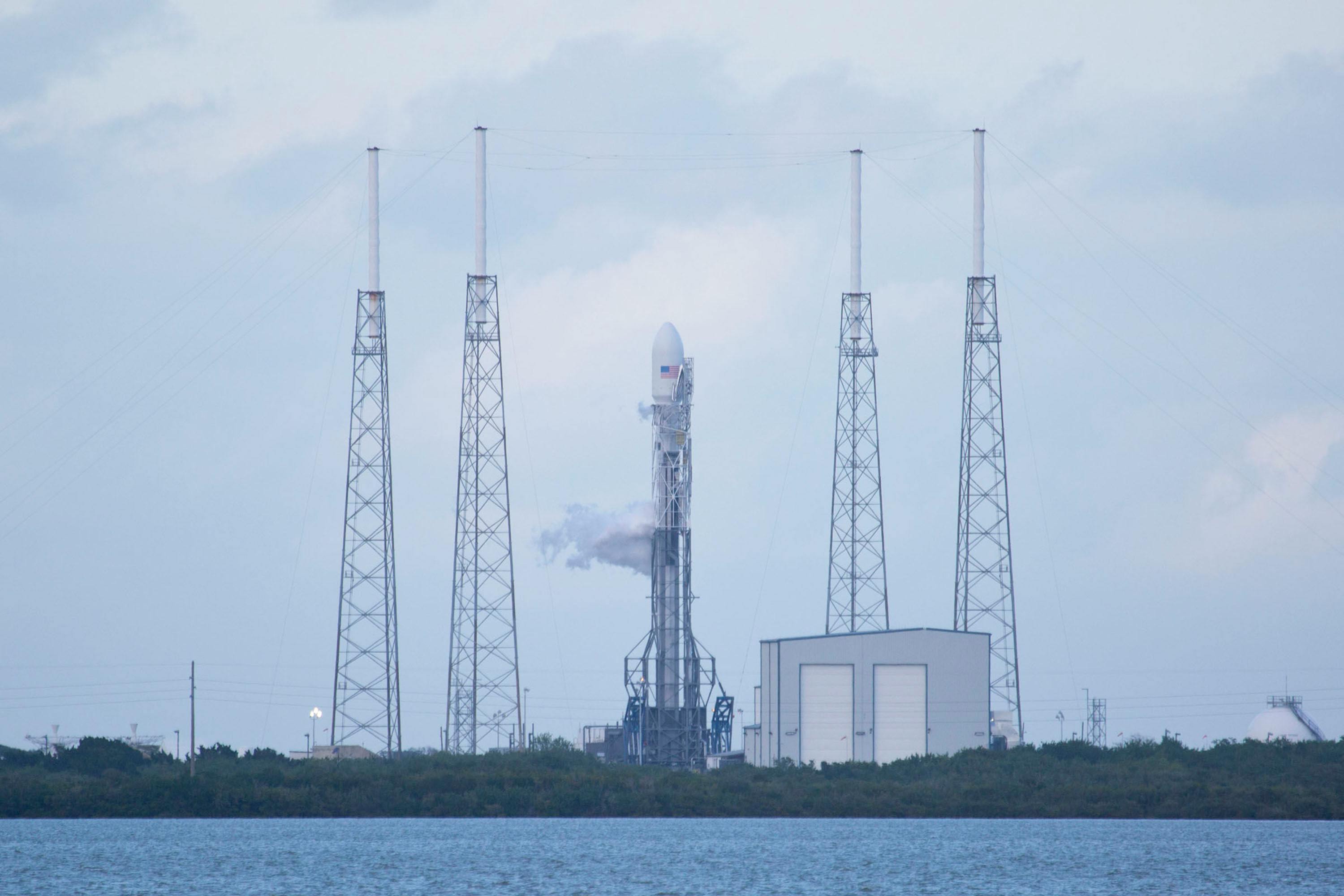
SpaceX has stacked Ship 41 on booster B21 for Starship Flight 14, the program's first attempt to reach orbit, with an FAA launch license still pending for a September 28 window, KeepTrack reports. The company currently has 11,154 Starlink satellites in orbit. Reaching orbit would mark the program's most significant milestone yet.
China launches satellite-internet group 26 on Long March 8A
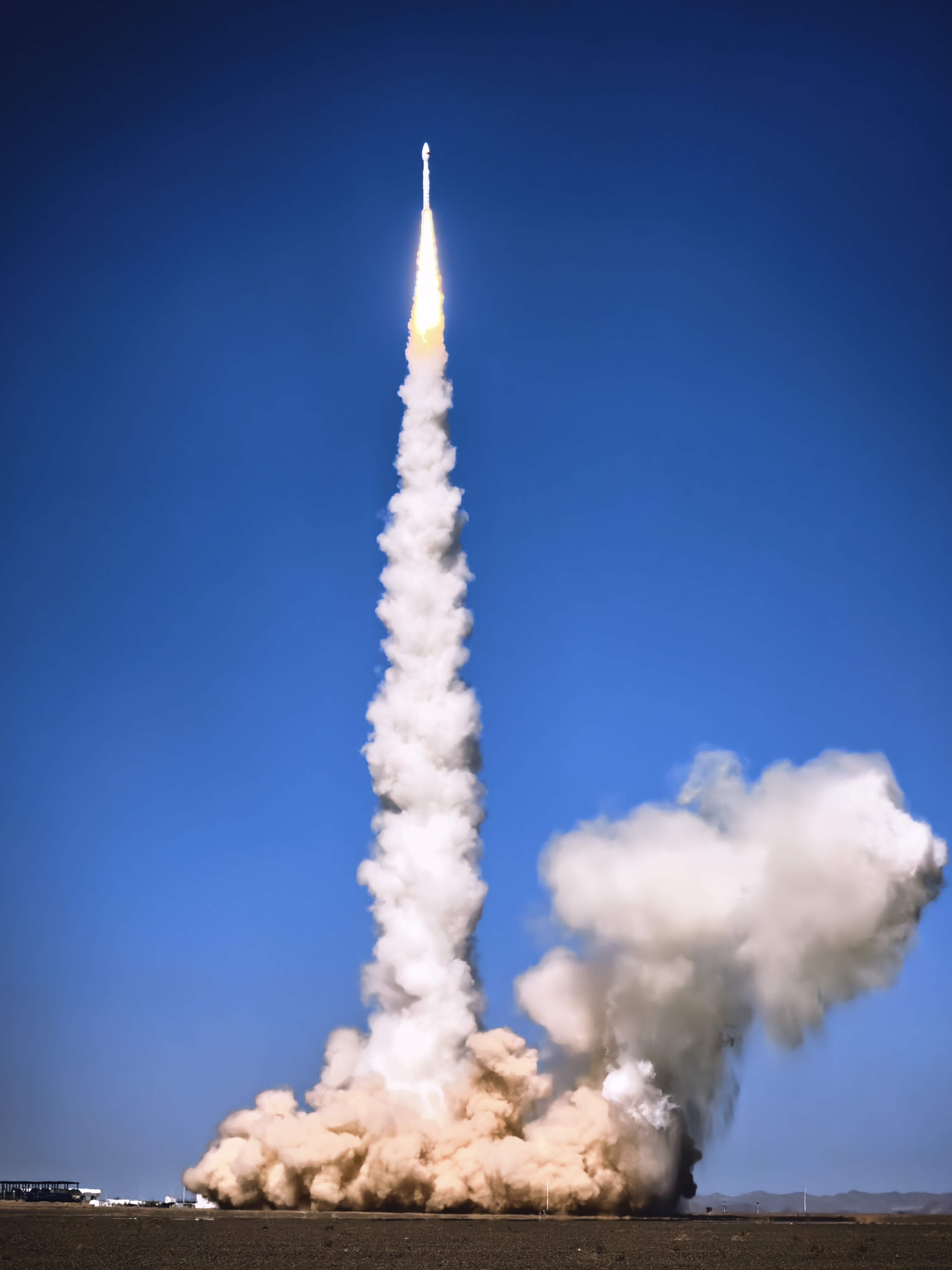
On September 23 at 21:32 local time, China launched a Long March 8A (长征八号甲) from Hainan Commercial Spacecraft Launch Site, successfully placing the 26th group of low-orbit satellite internet satellites into their planned orbit, per CCTV/Phoenix coverage. It followed the September 17 Long March 12 launch of group 25 from the same site, underscoring China's accelerating constellation buildout cadence.
Six Chinese launches in one week, 30+ satellites orbited
Between September 14 and 20, China completed six rocket launches placing more than 30 satellites in orbit, spanning low-orbit broadband constellation assembly and science missions from land and sea sites — state and commercial rocket companies launching side by side, Xinhua Finance reports via 21jingji. Highlights include a Kuaizhou-11 Y3 launch of the Tianyi 51/52 pair from Jiuquan on September 17 and a Lijian-1 (力箭一号) Y18 nine-satellite rideshare on September 20 at 12:03 from the Dongfeng Commercial Space Innovation Test Site, carrying Qinling 01/02, Pujiang-4, Pengcheng debut satellite, Diting 01 A/B/C and others.
Russia orbits another military satellite from Plesetsk
A Soyuz-2.1b launched from Plesetsk Cosmodrome on September 17–18 carried a military satellite for the Russian Ministry of Defence; the launch proceeded nominally and the spacecraft was confirmed in orbit, the defence ministry said. Russian media (RIA Novosti, Kommersant, EADaily) all reported the mission as successful.

Vulcan grounding leaves NSSL on a single provider
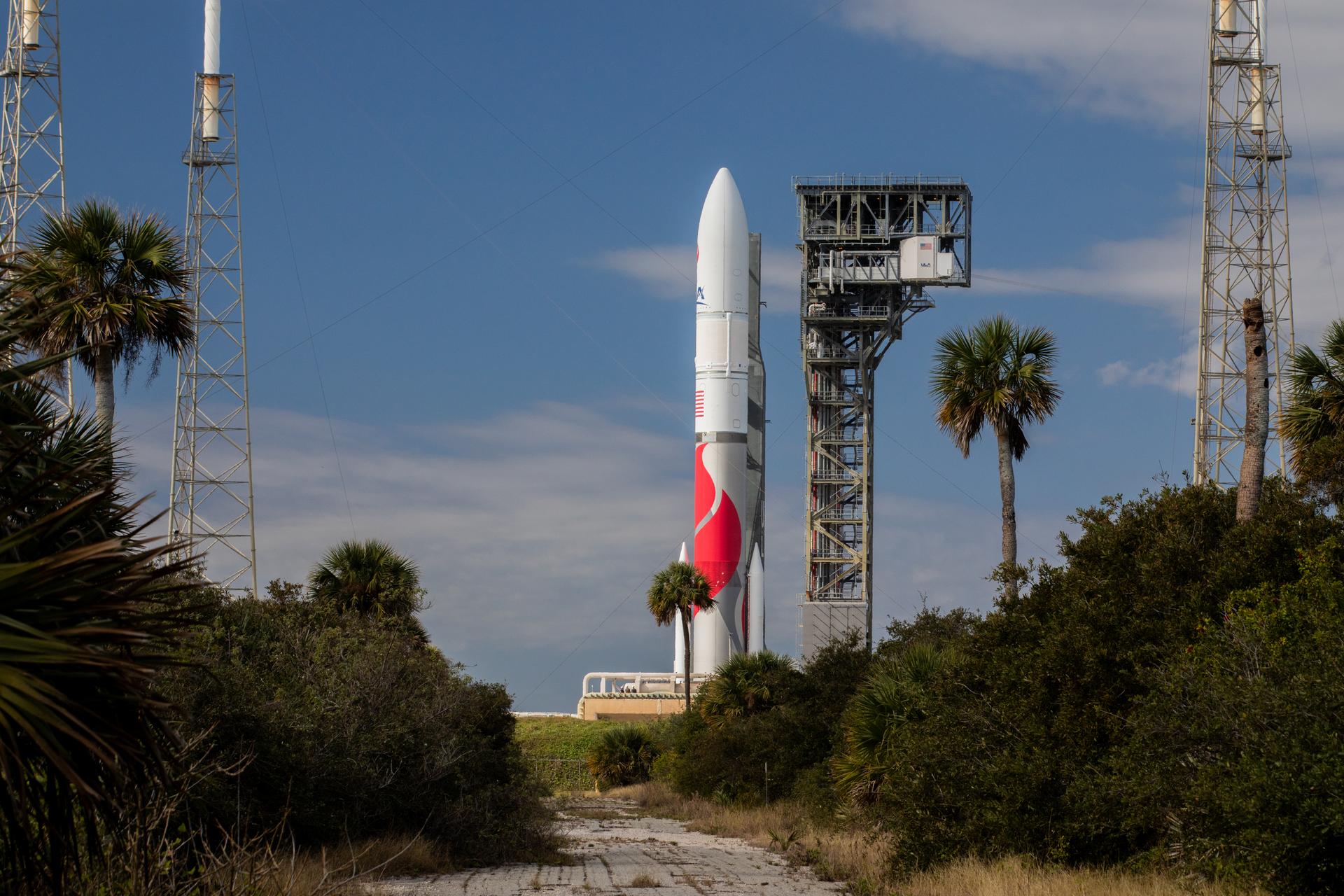
Seven months after a booster nozzle failure 20 seconds into February's USSF-87 launch, ULA's Vulcan has still not returned to flight; the Space Force pulled all national security missions off the vehicle and GPS III SV-10 flew on Falcon 9 instead, KeepTrack reports — leaving the Pentagon effectively down to one certified rocket for now.
Local view
Chinese media frame the cadence as a commercial-space inflection: Huxiu notes US launch capacity is spread across four major government sites plus private pads (SpaceX's Boca Chica, Blue Origin's Launch Site One), while China operates Jiuquan, Xichang, Taiyuan and Wenchang — and argues demand now outstrips pad availability, with rockets and satellites queuing for launch slots. In Russia, Premier Mikhail Mishustin highlighted the active development of the Vostochny Cosmodrome in a meeting with Roscosmos chief Dmitry Bakanov (RIA, Sept 22).
Context & numbers
- Orbital Radar's database logs 7,416 orbital launches from 1957 to 2026 at a 92.9% overall success rate; 232 launches are recorded so far in 2026.

Orbital Radar launch database - KeepTrack's week-in-review tallied 13 launches worldwide in the prior week with a perfect success record, including SpaceX's 700th Falcon-family flight delivering SES O3b mPOWER satellites.
- SpaceX's Falcon 9 Block 5 set an all-time single-vehicle record with 165 orbital launches in 2025, with individual boosters flying 20+ missions.
- Russia's Progress M-25 docked at the ISS after a Soyuz-2.1b third-stage fault forced a week-long delay — the notable anomaly of the period; 25 new objects were cataloged.
On the radar
- Upcoming manifest (NextSpaceflight): Rocket Lab Electron/Photon "Shannon" from Māhia Peninsula on October 1, 15:10 UTC; Falcon 9 from Cape Canaveral SLS on October 7, 03:23; KSLV-2 (KARI) from Naro around October 7; Ariane 64 from Kourou on October 19, 19:41.
- China's Yaogan-40 remote-sensing constellation received its fourth group this week, still part of an active governmentmall buildout.
- Kyrgyzstan, per Vzglyad (flagged as announcement, not a launch manifest entry), plans its first domestically developed satellite launch in early October for agricultural use — a small new entrant to watch.
- Roscosmos's satellite operator "Cosmic Communications" plans to claim full national connectivity coverage by 2030, per Vzglyad.
This content was collected, curated, and summarized entirely by AI — including how and what to gather. It may contain inaccuracies. Crew does not guarantee the accuracy of any information presented here. Always verify facts on your own before acting on them. Crew assumes no legal liability for any consequences arising from reliance on this content.
Powered by
