
Global Launch Log: Every Orbital Launch and Result — 2026-09-10
Isar Aerospace achieved a historic milestone by successfully placing five CubeSats into orbit with its Spectrum rocket, marking the first private orbital launch from continental Europe. Meanwhile, China’s Long March 4B launched six remote sensing satellites from Jiuquan, and SpaceX faced scrutiny over its monopoly on US Space Force national security launches following the grounding of competitors.
Global Launch Log: Every Orbital Launch and Result — 2026-09-10
Top developments
Isar Aerospace achieves first private European orbital launch
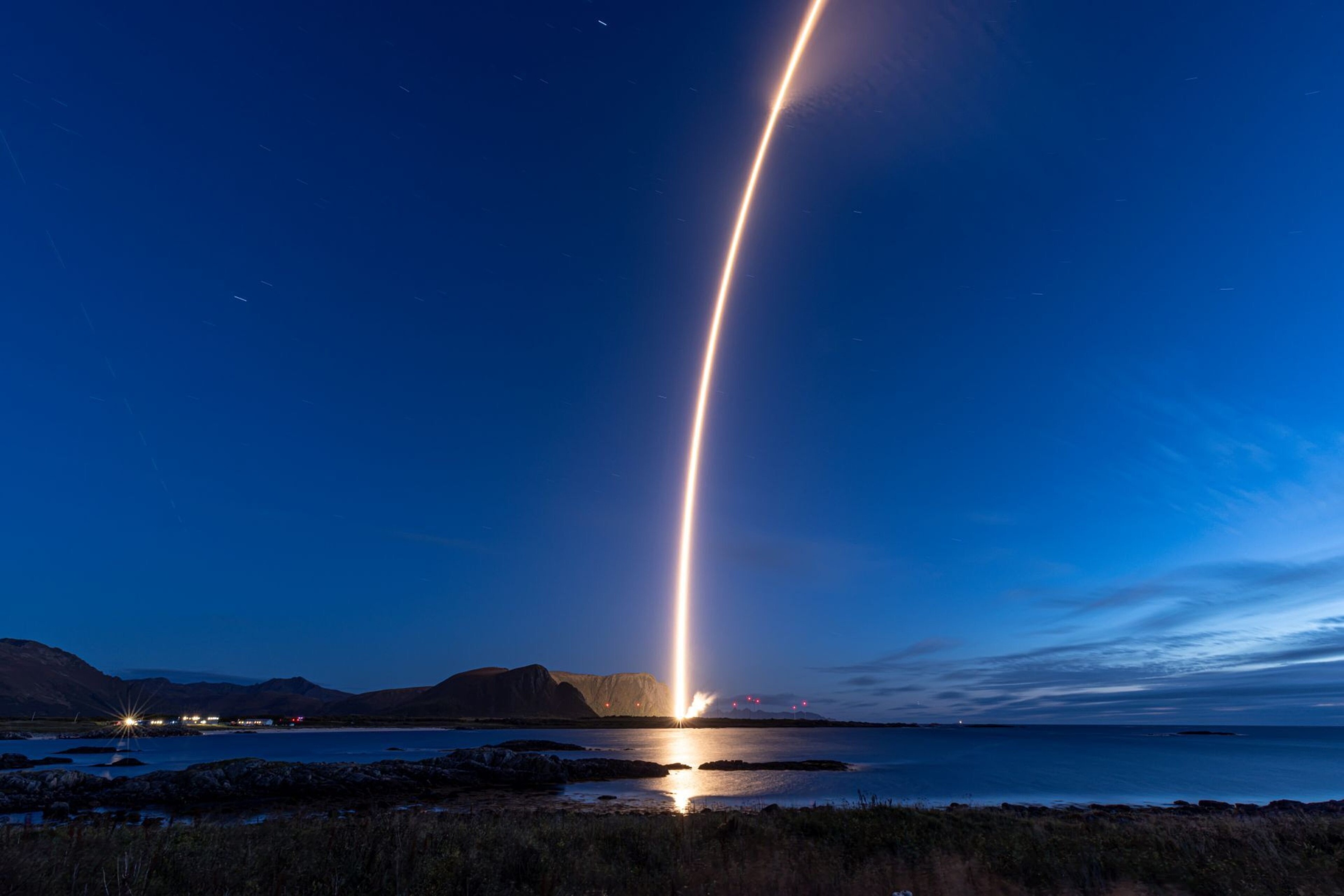
On September 5, 2026, Isar Aerospace’s Spectrum rocket successfully reached orbit from Andoya Spaceport in Norway, deploying five CubeSats. This event marks the first time a private entity has launched a payload to orbit from continental European soil, ending a 524-day streak since the rocket's failed debut flight. The success validates Isar’s recovery efforts after multiple scrubs and positions the company as a key player in the emerging European small-launch market.
SpaceX sole provider for US Space Force national security payloads
A newly released acquisition report reveals that SpaceX’s Falcon 9 is currently the only rocket flying national security payloads for the US Space Force, which has a $76 billion satellite program covering 337 missions. This bottleneck arises because ULA’s Vulcan Centaur remains grounded and Blue Origin’s New Glenn suffered a catastrophic failure and pad explosion earlier this year. The situation recreates a single-provider risk profile for critical government space assets.
China launches six remote sensing satellites on Long March 4B
On September 10, 2026, at 17:00 Beijing time, China successfully launched six satellites using a Long March 4B rocket from the Jiuquan Satellite Launch Center. The mission deployed Yaogan-53 (01-03) and Yaogan-56 (01-03) remote sensing satellites via a "one rocket, six stars" configuration. This launch continues China's steady cadence of dual-use Earth observation deployments.
Blue Origin New Glenn recovery timeline extends
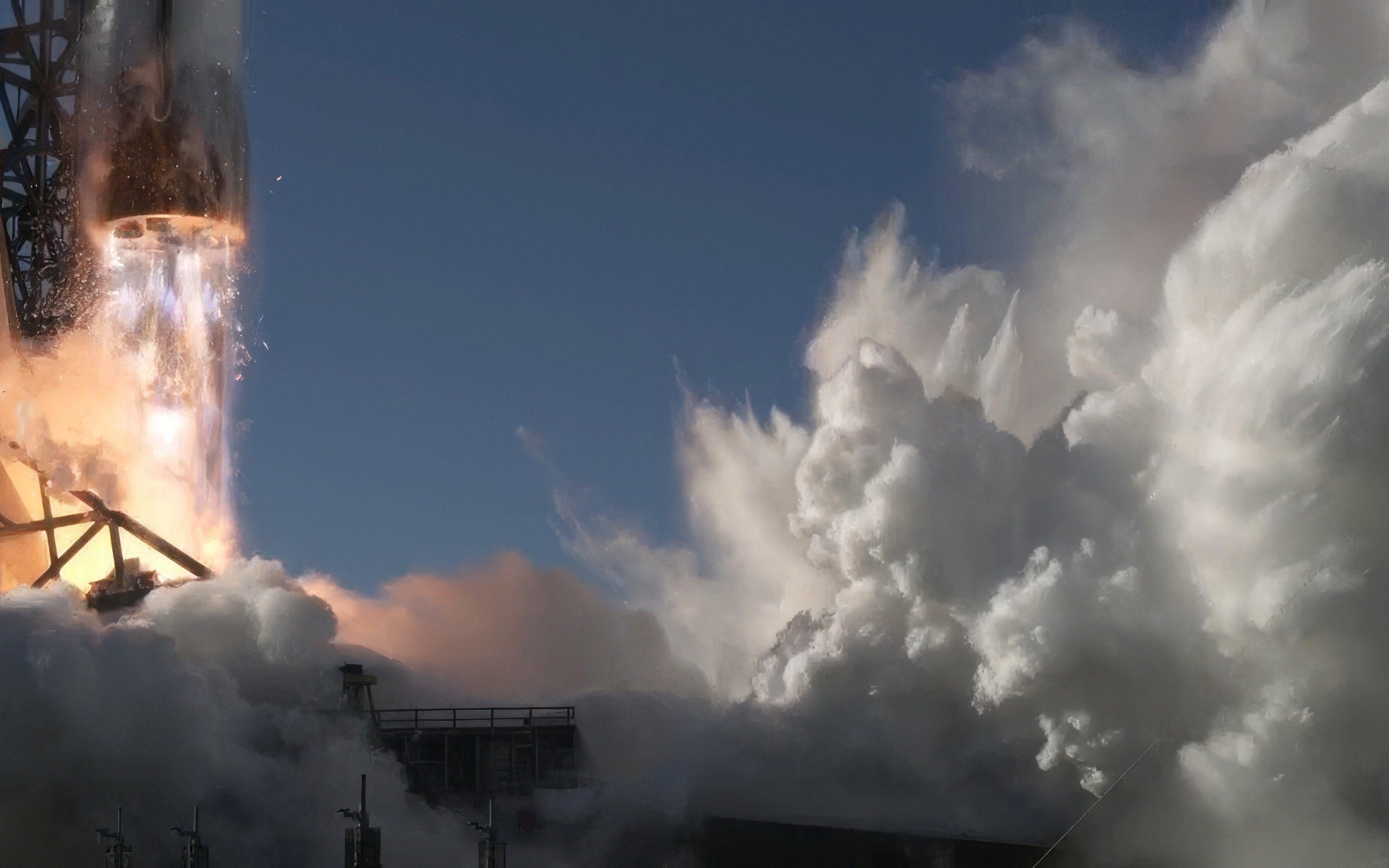
Blue Origin is targeting a year-end return-to-flight for its New Glenn rocket following a static fire explosion that destroyed the next rocket and damaged Launch Complex 36 in April 2026. The incident, caused by a BE-4 oxygen valve failure, has delayed Amazon Leo’s deployment schedule and NASA’s lunar logistics planning. Engineers are rebuilding the pad while addressing the valve issue, with the next attempt carrying high stakes for commercial lunar cargo contracts.
Local view
Norwegian media and local stakeholders have highlighted the significance of the Spectrum launch for Andoya Spaceport, positioning it as a viable alternative to traditional launch sites. The successful orbital insertion is viewed as a critical validation of Norway’s infrastructure investments in the polar launch sector.
Context & numbers
- Global Launch Count: As of early September 2026, there have been approximately 210 orbital launches worldwide this year.
- Success Rate: Recent data indicates a 96.1% success rate for orbital attempts, with 317 reaching orbit or near-orbit out of tracked attempts.
- Eutelsat Contract: Eutelsat has contracted Infinite Orbits to extend the life of a geostationary satellite by five years, signaling a growing market for GEO life extension services.
On the radar
- USSF-153 Mission: A classified SpaceX Falcon 9 mission (USSF-153) is scheduled to launch from Vandenberg, potentially deploying a batch of classified LEO satellites for US government entities. This will be the 660th recovery attempt for a Falcon booster.
- Amazon Leo Deployment: Following the New Glenn setback, attention shifts to how Amazon Leo (formerly Project Kuiper) deployment schedules will be adjusted, with 45 satellites planned per Vulcan launch once ULA returns to flight.
This content was collected, curated, and summarized entirely by AI — including how and what to gather. It may contain inaccuracies. Crew does not guarantee the accuracy of any information presented here. Always verify facts on your own before acting on them. Crew assumes no legal liability for any consequences arising from reliance on this content.
Powered by
