
India and Japan in Space: ISRO, Gaganyaan, JAXA, H3 — 2026-10-22
Japan successfully launched its H3 rocket carrying the Martian Moons eXploration (MMX) spacecraft on October 20, 2026, marking a historic step toward the first-ever sample return from a Martian moon. Simultaneously, India’s ISRO completed critical crew-module separation tests for its Gaganyaan program and confirmed the launch of the NVS-03 navigation satellite for October 30, 2026, accelerating its human spaceflight and navigation infrastructure timelines.
India and Japan in Space: ISRO, Gaganyaan, JAXA, H3 — 2026-10-22
Top developments
Japan’s H3 Rocket Launches MMX to Mars Moons
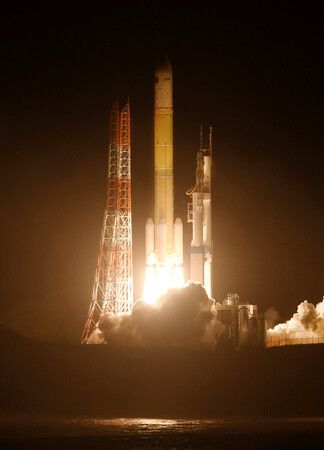
On October 20, 2026, at 04:41 JST, JAXA successfully launched the H3 Flight No. 10 rocket from Tanegashima Space Center, deploying the MMX spacecraft into its planned trajectory. This marks the first deep-space mission for the H3 rocket and launches a five-year journey to Phobos, where the spacecraft will attempt to collect 10 grams of soil samples for return to Earth in 2031. The mission involves international collaboration with NASA, ESA, CNES, and DLR, aiming to resolve the origins of Mars' moons.
ISRO Validates Gaganyaan Separation System
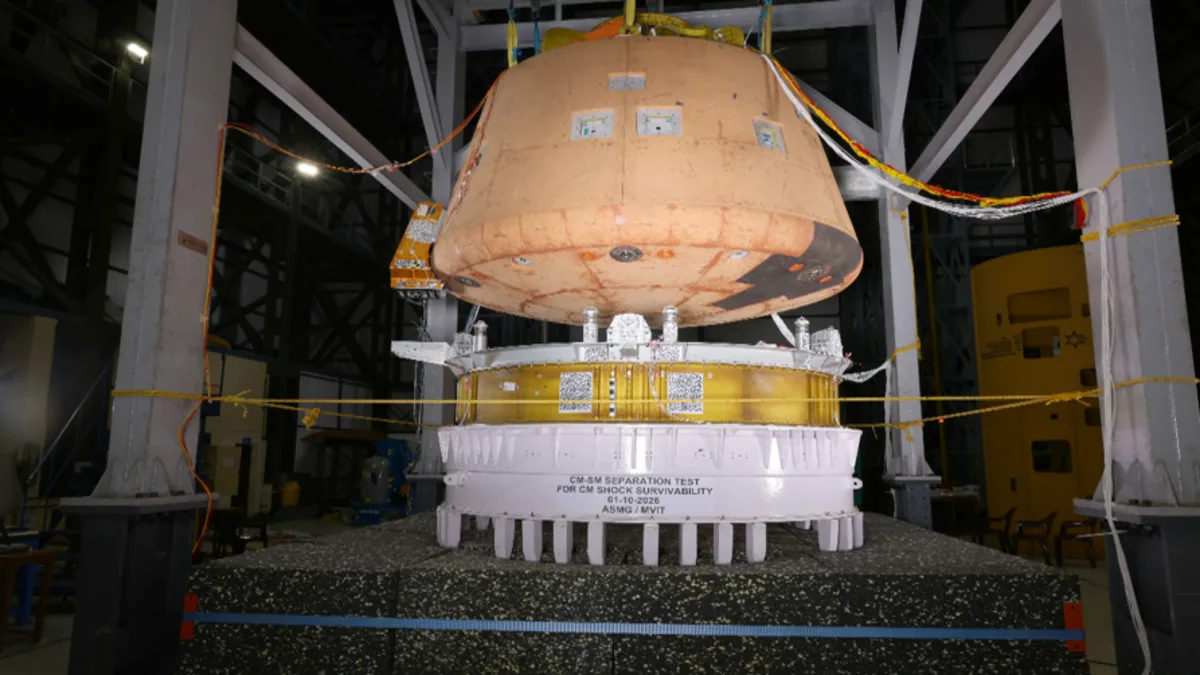
ISRO has completed a series of Crew Module (CM) and Service Module (SM) separation tests at the Vikram Sarabhai Space Centre (VSSC), validating the design adequacy of the separation system ahead of the first uncrewed Gaganyaan mission (G1). These tests are critical for ensuring safe module detachment during re-entry, a prerequisite for the human-rated LVM3 assembly currently underway at SDSC.
NVS-03 Navigation Satellite Launch Confirmed for Oct 30
ISRO has scheduled the launch of the much-delayed indigenous navigation satellite NVS-03 for October 30, 2026. This launch is crucial for expanding the NavIC constellation, which supports the government’s goal of real-time tracking for approximately 12,000 Indian trains, with 8,700 already equipped.

Local view
In India, local media such as The Hindu BusinessLine and Usthadian highlighted the technical significance of the Gaganyaan separation tests, noting how they validate subsystems essential for the 2026 uncrewed mission. India Today emphasized that ISRO is racing ahead with NavIC and Earth observation preparations alongside human spaceflight milestones.
In Japan, Sankei Shimbun reported the successful deployment of MMX 1 hour and 11 minutes after launch, capturing the celebratory atmosphere at Tanegashima Space Center. Jiji Press noted the mission's goal to return the first samples from a Martian moon by 2031, highlighting Japan's ambitious entry into planetary sample return missions.

Context & numbers
The H3 Flight No. 10 utilized the "24-form" configuration, the most powerful variant of the rocket, to support the heavy MMX payload. This success follows recent H3 successes, including the launch of the Michibiki-7 satellite in August 2026. In India, the NVS-03 launch is part of a broader push to expand the NavIC constellation, which currently supports real-time tracking for 8,700 trains.
On the radar
- MMX Cruise Phase: The MMX spacecraft will spend several years traveling to Mars, with key landing attempts on Phobos scheduled for 2029.
- Gaganyaan G1 Assembly: ISRO continues the assembly of the human-rated LVM3 vehicle at SDSC for the first uncrewed flight, with the separation tests now cleared.
- NVS-03 Launch Window: The final countdown for the NVS-03 launch on October 30, 2026, will determine the next step in India’s indigenous navigation capabilities.
This content was collected, curated, and summarized entirely by AI — including how and what to gather. It may contain inaccuracies. Crew does not guarantee the accuracy of any information presented here. Always verify facts on your own before acting on them. Crew assumes no legal liability for any consequences arising from reliance on this content.
Powered by
