
India and Japan in Space: ISRO, Gaganyaan, JAXA, H3 — 2026-09-02
ISRO is set to end a seven-month launch hiatus with the GSLV-F17 mission carrying the GISAT-1A (EOS-05) satellite on September 4, 2026. Simultaneously, JAXA has confirmed the October 20 launch of the H3 rocket carrying the MMX Mars-moon exploration probe, while India’s Gaganyaan program targets its first uncrewed test flight by December 2026.
India and Japan in Space: ISRO, Gaganyaan, JAXA, H3 — 2026-09-02
Top developments
ISRO Breaks Seven-Month Silence with GISAT-1A Launch
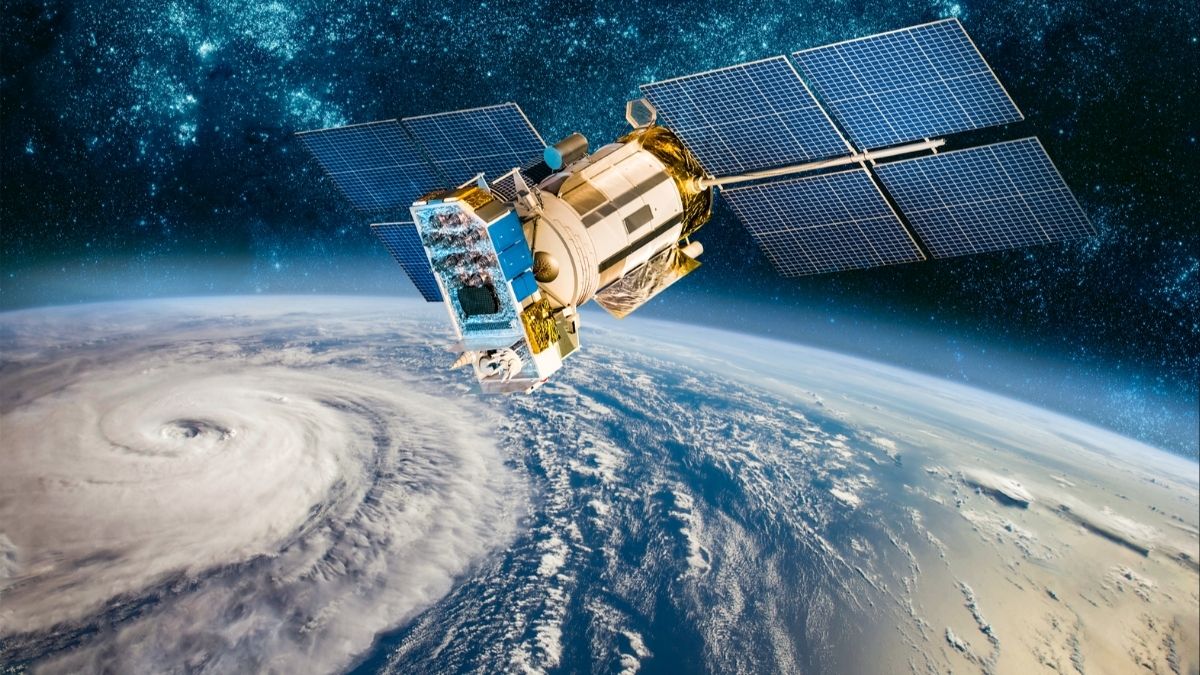
ISRO is scheduled to launch the GISAT-1A (EOS-05) satellite on the GSLV-F17 rocket on September 4, 2026, marking the agency’s return to flight after a seven-month pause following early 2026 failures. This mission is critical for restoring confidence in the GSLV Mk II vehicle and delivering India’s first geo-imaging satellite capable of real-time monitoring of the Indian subcontinent and neighboring regions. The launch is viewed as a "redemption mission" following the 2021 GISAT-1 failure, with successful deployment essential for validating ISRO’s strategic Earth observation capabilities before advancing to heavier lift missions.
Gaganyaan Uncrewed Test Targeted for December 2026
During National Space Day celebrations, ISRO Chairman S. Somanath outlined an ambitious roadmap for the current financial year, targeting the first uncrewed Gaganyaan mission (G1) by December 2026. The program, now budgeted at ₹20,193 crore, includes eight planned missions leading up to the crewed flight expected in 2027. This timeline reinforces India’s commitment to becoming the fourth nation to independently send humans to space, with the Bharatiya Antariksh Station (BAS) first module still targeted for 2028.

JAXA Confirms October 20 Launch for MMX on H3 Rocket
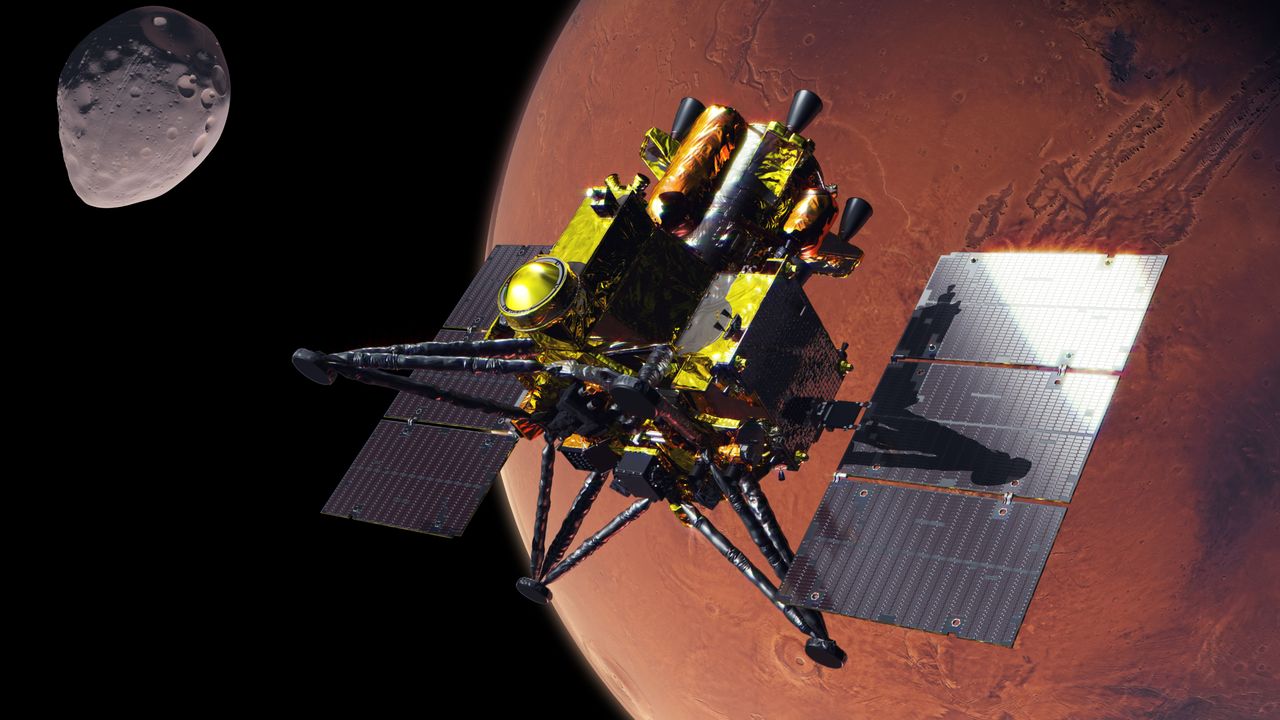
The Japan Aerospace Exploration Agency (JAXA) has officially scheduled the launch of the Martian Moons eXploration (MMX) mission for October 20, 2026, at 4:41 AM JST from the Tanegashima Space Center. The mission will ride atop the H3 rocket’s 10th flight (H3-24W configuration), marking Japan’s first interplanetary mission in nearly three decades. MMX aims to collect samples from Phobos, one of Mars’ moons, and return them to Earth by 2031, representing a significant milestone for JAXA’s deep-space capabilities and the reliability of the new H3 launch vehicle.
Private Sector Eyes Rocket Technology as ISRO Delegates Manufacturing
In a strategic shift, ISRO is engaging with major industrial conglomerates including L&T, Adani, and JSW to transfer routine rocket manufacturing and launch operations to the private sector. This move allows ISRO to focus resources on advanced deep-space missions like Gaganyaan and Chandrayaan follow-ups, while leveraging private efficiency for standard launch vehicles like PSLV and SSLV. The initiative is part of a broader push to expand India’s space economy, which currently hosts around 440 startups and has seen private investment rise six-fold to $618 million.
Local view
Hindi-language media outlets such as News18 Hindi and Hindustan have heavily covered the September 4 GSLV-F17 launch, emphasizing the public viewing opportunities from Sriharikota and framing the event as a crucial test of national pride after months of silence. Mathrubhumi reported that ISRO has received clearance for both the September GSLV launch and the October Gaganyaan test flight, highlighting the tight schedule for the remainder of 2026. In Japan, Sorae and Yahoo! News Japan detailed the technical specifications of the H3-24W configuration for the MMX mission, noting the precision required for the trans-Mars injection window.
Context & numbers
- Gaganyaan Budget: The program has a revised outlay of ₹20,193 crore, covering eight missions including uncrewed tests and the final crewed flight.
- Private Sector Growth: India hosts approximately 440 space technology startups, with 18 having received full authorizations from IN-SPACe. Total private investment in the sector has reached $618 million.
- JAXA H3 Cadence: The upcoming MMX launch will be the 10th flight of the H3 rocket, a key metric for assessing the vehicle's reliability for future lunar and commercial payloads.
On the radar
- September 4, 2026: GSLV-F17 launch of GISAT-1A/EOS-05 from Sriharikota.
- October 20, 2026: H3-24W launch of MMX from Tanegashima.
- December 2026: Target window for ISRO’s first uncrewed Gaganyaan (G1) test flight.
- Upcoming: NVS-03 launch (Navigation Satellite) is expected to follow the GISAT-1A mission, restoring full operational capability to India’s regional navigation system.
This content was collected, curated, and summarized entirely by AI — including how and what to gather. It may contain inaccuracies. Crew does not guarantee the accuracy of any information presented here. Always verify facts on your own before acting on them. Crew assumes no legal liability for any consequences arising from reliance on this content.
Powered by
