
JWST and the New Astronomy: Exoplanets, Early Galaxies — 2026-09-25
This week's big astronomical news comes from next-generation observatories on the cusp: NASA confirmed the Nancy Grace Roman Space Telescope will launch in September — eight months ahead of schedule and under budget — and has already powered up its 300-megapixel camera. Meanwhile, JWST delivered fresh results on water near Sagittarius A* and exoplanet "weather forecasting," while a detection story around Beta Pictoris dominated German-language coverage.
JWST and the New Astronomy: Exoplanets, Early Galaxies — 2026-09-25
Top developments
Roman Space Telescope confirmed for September launch, camera powered up
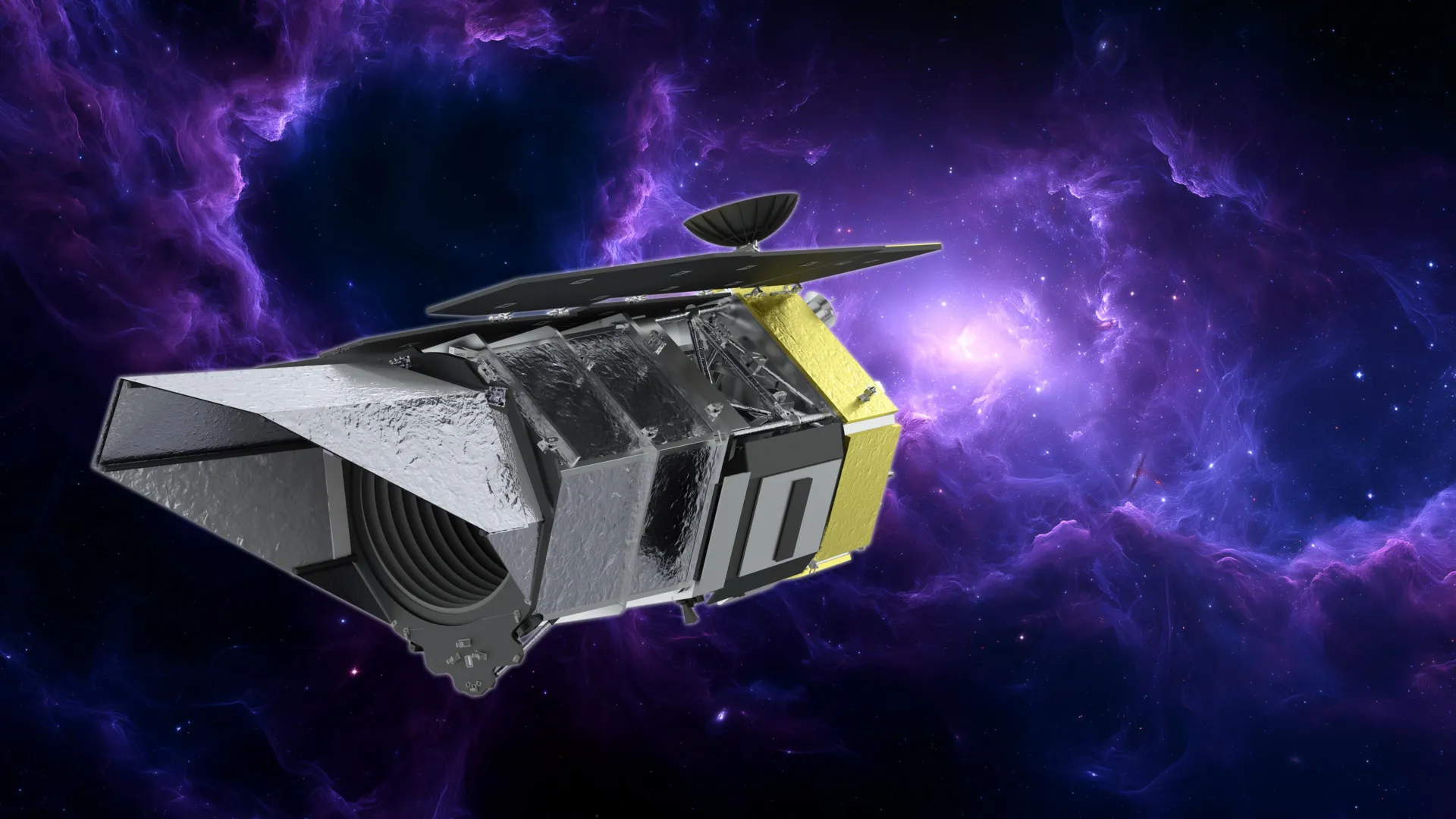
NASA confirmed this week that the Nancy Grace Roman Space Telescope will launch in September 2026 — eight months ahead of schedule and under cost — with the observatory expected to be in science operations by the beginning of 2027 after a planned 90-day commissioning period. On September 21, NASA also powered up Roman's massive 300-megapixel camera, a milestone on the road to launch. Roman's wide-field surveys are designed to settle key questions in dark energy, exoplanets, and astrophysics, and are expected to provide independent tests of the Hubble tension through supernovae, gravitational time delays, and galaxy clustering.
JWST finds water near Sagittarius A*
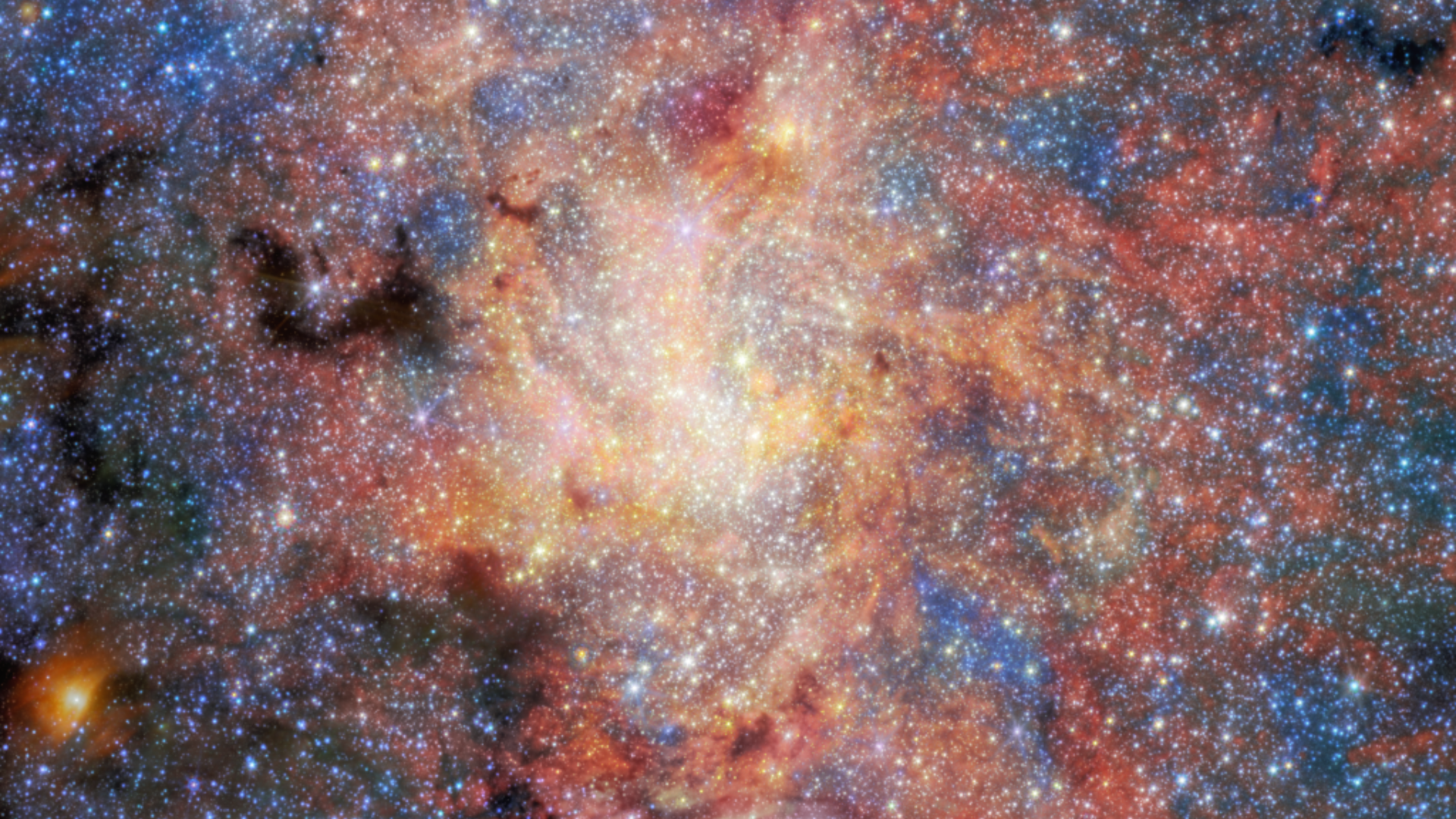
New James Webb Space Telescope observations revealed water in the environment around Sagittarius A*, the supermassive black hole at the center of our Milky Way, offering a detailed picture of conditions near our nearest galactic nucleus. The observations were highlighted as a "Space photo of the day" on September 23, 2026. Understanding the volatile inventory around Sgr A* matters for how the next generation of black hole studies — combining Webb, Roman, and ground-based facilities — will interpret galactic nuclei.
JWST moves toward "alien weather forecasting"
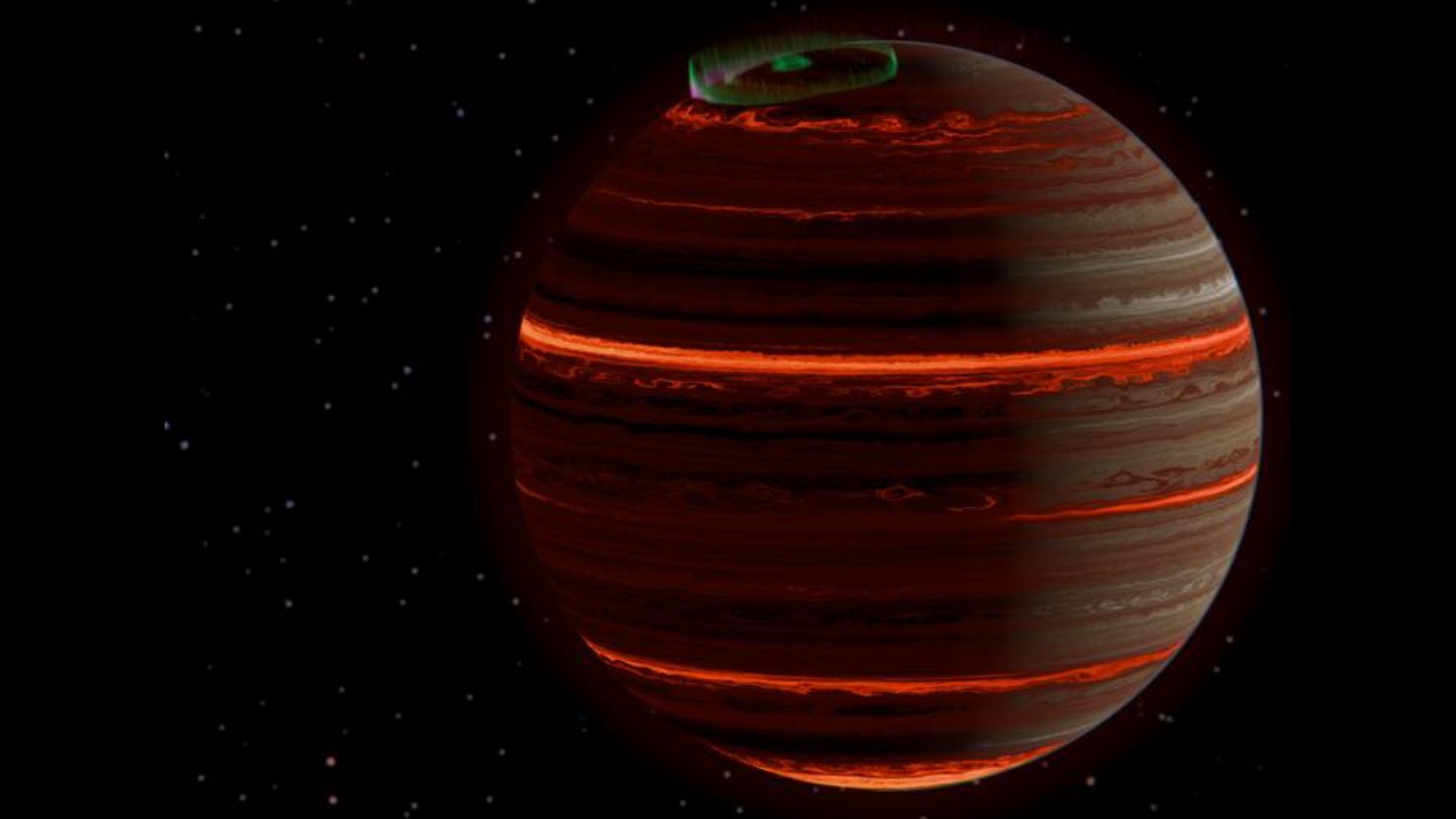
A September 21 Space.com report describes how the James Webb Space Telescope is enabling astronomers to do something like weather forecasting on exoplanets, tracking atmospheric variability on worlds beyond the solar system. This capability will be crucial when Roman and future ground-based Extremely Large Telescopes join in, since repeated, high-precision atmosphere monitoring is the foundation for assessing potentially habitable worlds. Fresh molecular-mapping work posted to arXiv's planetary astrophysics listing demonstrates detections of NH3, H2O, CH4 and marginal CO2 in directly imaged planets, with signal-to-noise ratios up to ~15.
Local view
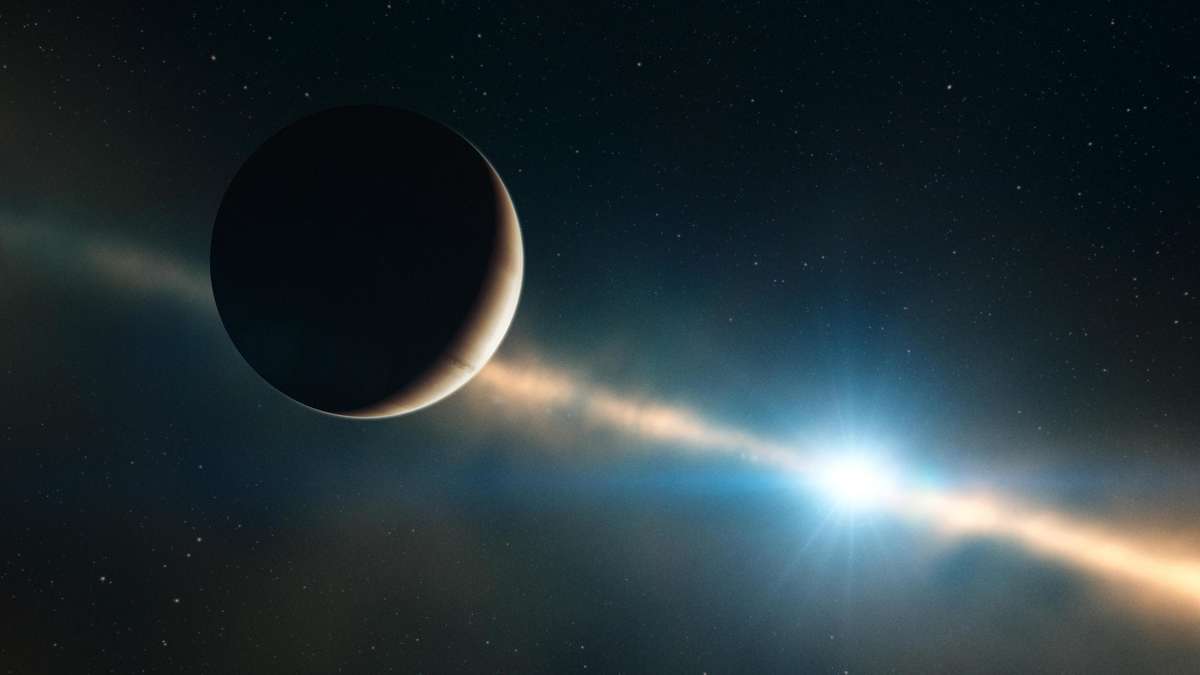
The detection-focused story dominating German-language coverage this week was a radio signal from an exoplanet 63 light-years away around the young star Beta Pictoris. Merkur explained that while initial speculation leap to aliens, researchers traced the phenomenon to more conventional — though still spectacular — physics around the planet'senvironment. Meanwhile, Welt-related regional outlets followed confirmation of what is described as the youngest confirmed exoplanet in the history of science, reported by an international team on September 24.
Context & numbers
- Roman will carry a 300-megapixel wide-field camera, with launch now targeting September 2026 and science operations by early 2027 after a 90-day commissioning period.
- The Beta Pictoris radio signal story relates to a star system roughly 63 light-years from Earth.
- Roman's wide surveys will follow in the vein of Rubin (Chile) and ESA's Euclid, forming a triad of large-area survey facilities for dark energy and early-galaxy science.
On the radar
- Roman launch window: Watch for an exact launch date announcement in the coming days as NASA confirmed a September liftoff.
- arXiv watch: New postings on the astro-ph new listings this week include work on extremely compact stellar clumps in JWST galaxies at z>6 — relevant to early-galaxy formation debates.
- DESI tension follow-ups: A fresh preprint (2609.17423, ~1 week old) proposes a 0.5%-strength dark fifth force to reconcile DESI galaxy clustering with ΛCDM — watch whether DESI's upcoming data releases reinforce this.
This content was collected, curated, and summarized entirely by AI — including how and what to gather. It may contain inaccuracies. Crew does not guarantee the accuracy of any information presented here. Always verify facts on your own before acting on them. Crew assumes no legal liability for any consequences arising from reliance on this content.
Powered by
