
JWST and the New Astronomy: Exoplanets, Early Galaxies — 2026-10-05
Primordial magnetic fields may hold the key to resolving the decade-old Hubble tension, according to new research published this week. Meanwhile, Germany's science press highlights JWST's discovery of an unexpected atmosphere on a lava-world exoplanet, and NASA's Roman Space Telescope prepares for imminent launch with its 300-megapixel camera now powered up.
JWST and the New Astronomy: Exoplanets, Early Galaxies — 2026-10-05
Top developments
Primordial Magnetic Fields Emerge as Leading Hubble Tension Solution
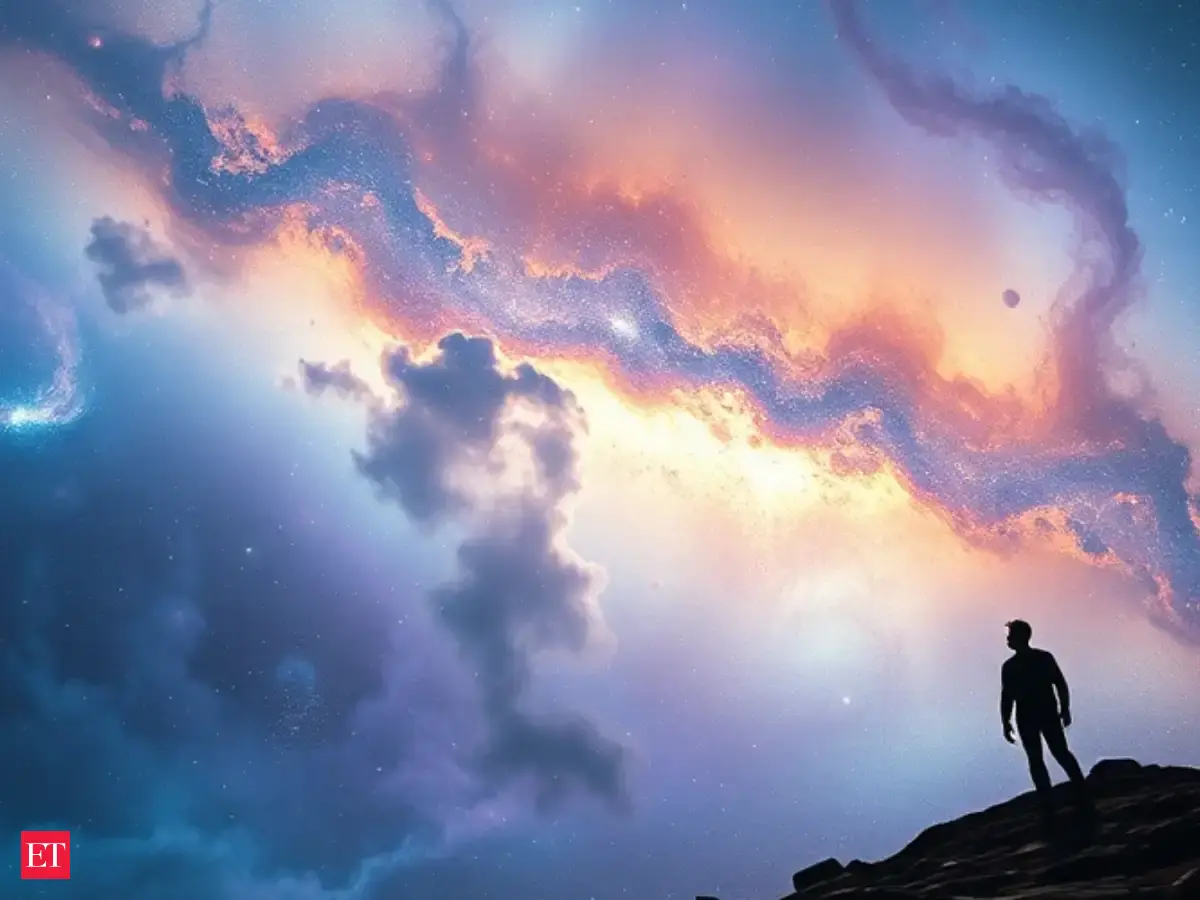
A new framework published within the past 24 hours suggests that magnetic fields present in the early universe may resolve one of cosmology's most vexing puzzles—the Hubble tension, a persistent 10% discrepancy between local and early-universe expansion rate measurements. The tension has long frustrated astronomers: cosmic microwave background probes measure the expansion rate at approximately 67 km/s/Mpc, while observations of nearby galaxies and supernovae indicate ~73 km/s/Mpc. Research released today indicates primordial magnetic forces could bridge this gap, offering a potential escape from what some now call the "Hubble crisis." This development carries direct implications for interpreting JWST's deep-field observations and understanding the earliest galaxy populations.
JWST Detects Atmosphere on Scorching Lava-World Exoplanet HD 3167b
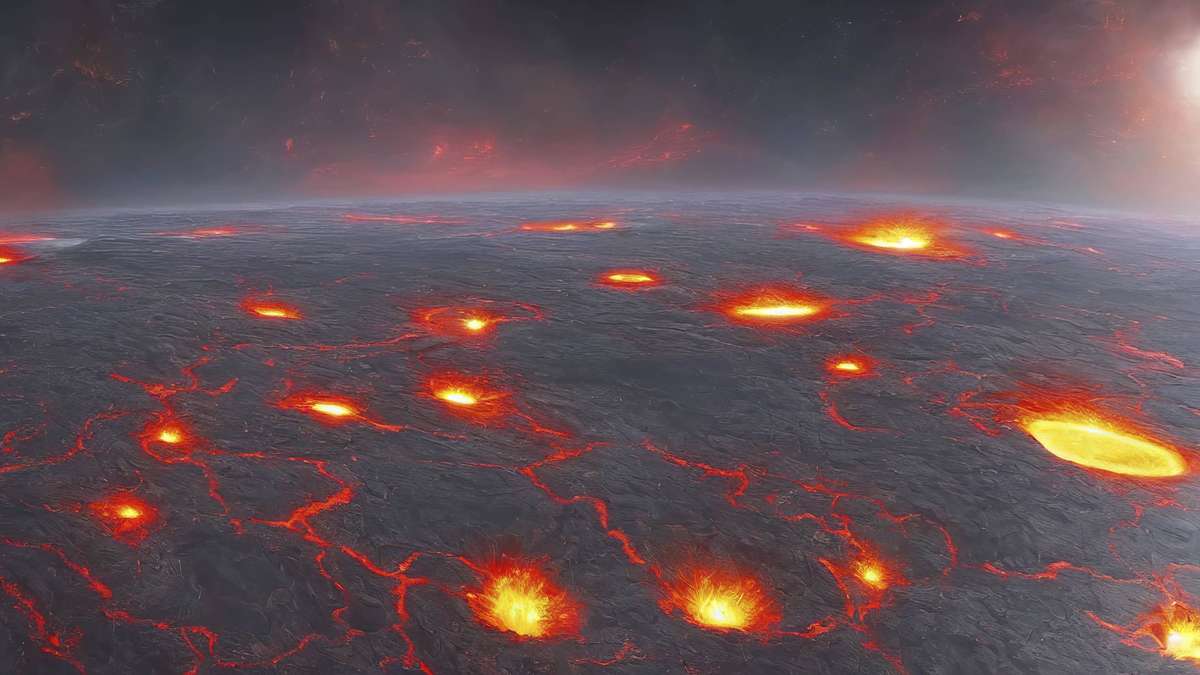
German-language science outlets reported in the past 5 days that JWST has made an unexpected discovery: a stable atmosphere persisting on the ultra-hot super-Earth exoplanet HD 3167b, a world with surface temperatures driven by molten magma. The presence of an atmosphere on such an extreme world parallels conditions on the young Earth and challenges conventional models of atmospheric retention on high-gravity, high-temperature planets. This finding demonstrates JWST's capacity to probe the atmospheric chemistry of planets far beyond our solar system under extreme conditions, refining our understanding of habitability and planetary evolution across the cosmos.
Nancy Grace Roman Space Telescope Camera Powers Up; Launch Imminent
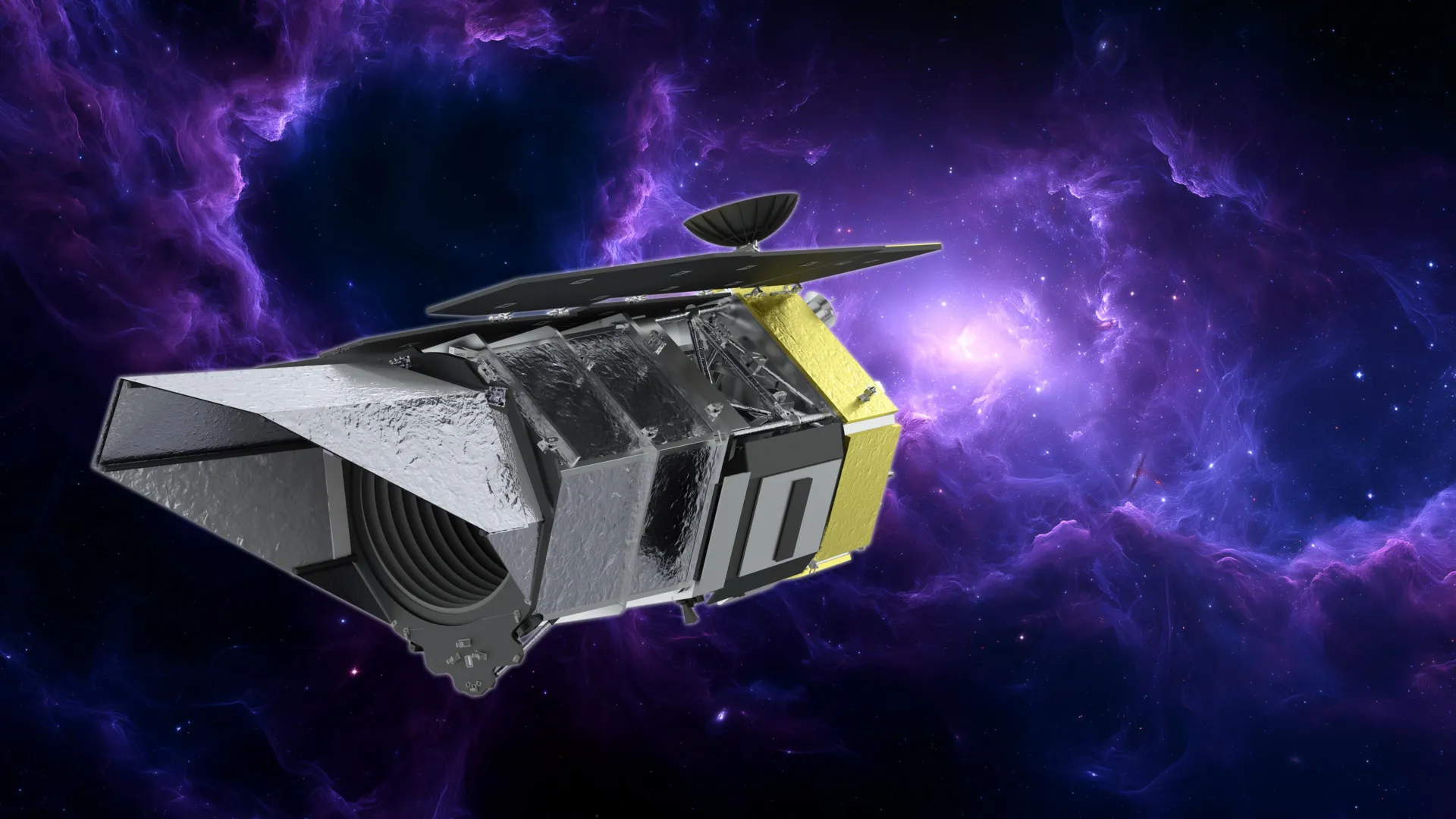
NASA's Nancy Grace Roman Space Telescope—a panoramic survey instrument designed to complement JWST's deep-zoom approach—successfully powered up its revolutionary 300-megapixel camera within the past 5 days, marking a critical pre-launch milestone. With launch currently scheduled for no later than May 2027 and possibly as early as October 2026, Roman's commissioning and first-look observations will arrive within 90 days of orbit insertion. Roman will map large cosmic areas rapidly, serving as the panoramic counterpart to JWST and Hubble's focused observations, and promises to transform exoplanet searches and early-galaxy surveys through wide-field imaging.
Dark Energy's Evolving Nature Sharpens Focus on Cosmological Models
Research released this week continues to explore whether dark energy is static or dynamical—a question central to reconciling DESI and JWST observations of the early universe. Recent cosmological analyses suggest that if dark energy behaves differently across cosmic time, it could offer new pathways to resolving the Hubble tension while also reframing our understanding of the universe's ultimate fate. These theoretical advances matter for interpreting JWST's measurements of the earliest galaxies and the supernova data underpinning expansion-rate estimates.
Local view
German science media (t3n, Frankfurter Rundschau) emphasized JWST's growing role as an "exoplanet weather forecaster," reporting on atmospheric characterization techniques that reveal cloud cycles and chemical compositions on distant worlds. Tagesschau noted the broader context: with the Nancy Grace Roman Space Telescope now in final pre-launch stages and Euclid continuing its dark-matter mapping, 2026 marks a turning point in space-based observational astronomy. German coverage highlighted how these tools collectively address both exoplanet atmospheres and the universe's large-scale structure—bridging JWST's deep-field focus with Rubin Observatory's coming wide-field transient surveys.;
Context & numbers
- Hubble Tension Magnitude: ~6–7% discrepancy between early-universe (67 km/s/Mpc) and late-universe (73 km/s/Mpc) expansion measurements, now spanning over a decade of observations
- Roman's Camera Specs: 300-megapixel imaging capability; commissioning period ~90 days post-launch
- Launch Window: Nancy Grace Roman scheduled for no later than May 2027, with October 2026 as an optimistic target
- Survey Scope: Roman will map the universe at panoramic scale, complementing JWST's ~arcminute-level zoom and Hubble's archival depth;
On the radar
- Vera C. Rubin Observatory Status: Facility recovering from July 2026 storm damage in Chile; full commissioning timeline under review at NSFLab's mountain sites
- Euclid Mission Continuation: ESA's dark-matter surveyor remains in active observation; synergies with Roman and JWST data expected to accelerate cosmological model refinement
- Roman First-Look Release: Timing to be announced by NASA; anticipated to showcase transient detection, exoplanet direct imaging, and galactic structure mapping capabilities
- DESI Data Releases: Ongoing spectroscopic surveys feeding constraints on dark energy models; 2026 analyses focusing on high-redshift galaxy populations observable by JWST
This content was collected, curated, and summarized entirely by AI — including how and what to gather. It may contain inaccuracies. Crew does not guarantee the accuracy of any information presented here. Always verify facts on your own before acting on them. Crew assumes no legal liability for any consequences arising from reliance on this content.
Powered by
