
JWST and the New Astronomy: Exoplanets, Early Galaxies — 2026-09-04
The Nancy Grace Roman Space Telescope successfully launched on August 30, 2026, marking a new era for cosmological surveys and dark energy research. Meanwhile, JWST continues to refine our understanding of early universe physics, with recent data suggesting early galaxies are more massive than previously believed due to "hidden" faint stars.
JWST and the New Astronomy: Exoplanets, Early Galaxies — 2026-09-04
Top developments
Nancy Grace Roman Space Telescope Successfully Launches
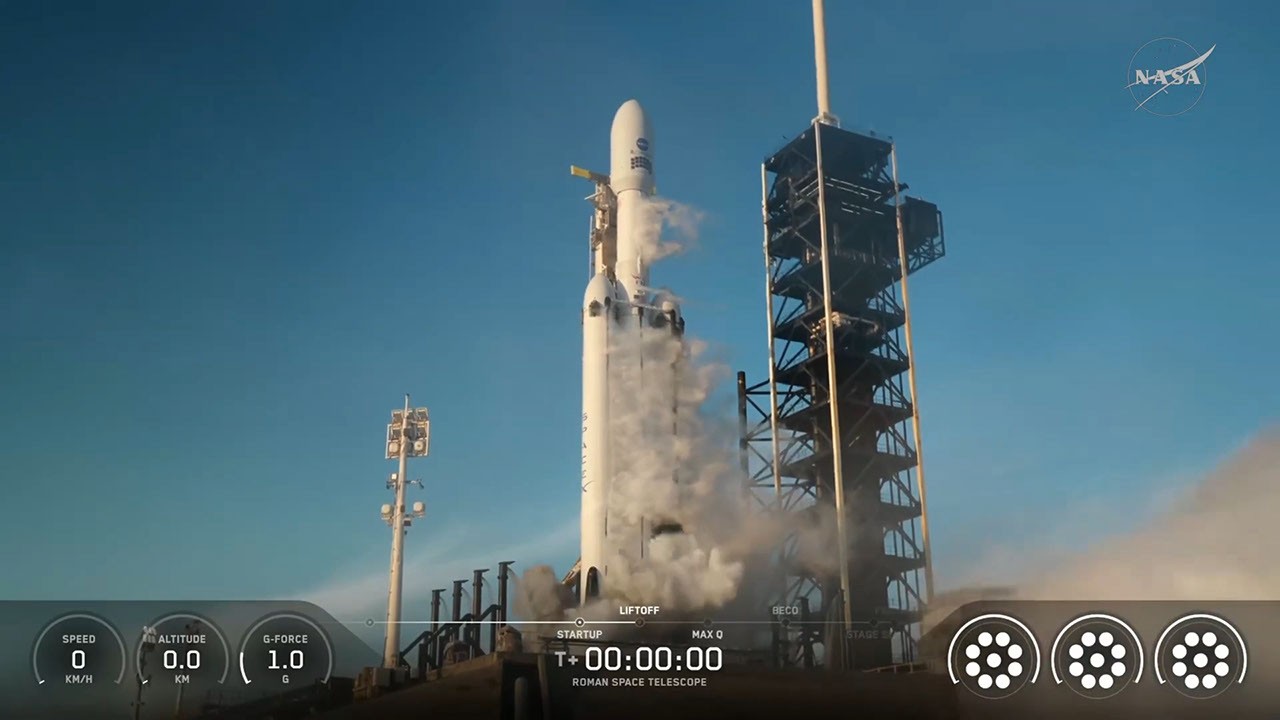
On August 30, 2026, NASA’s Nancy Grace Roman Space Telescope launched aboard a SpaceX Falcon Heavy rocket from Kennedy Space Center. The mission, which received its final "go" for launch on August 28, aims to survey the sky in infrared light to study dark energy and exoplanets. This launch follows a Launch Readiness Review completed just days prior, positioning Roman to complement JWST’s deep-field capabilities with wide-field surveys.
JWST Finds "Hidden Stars" Increase Early Galaxy Mass
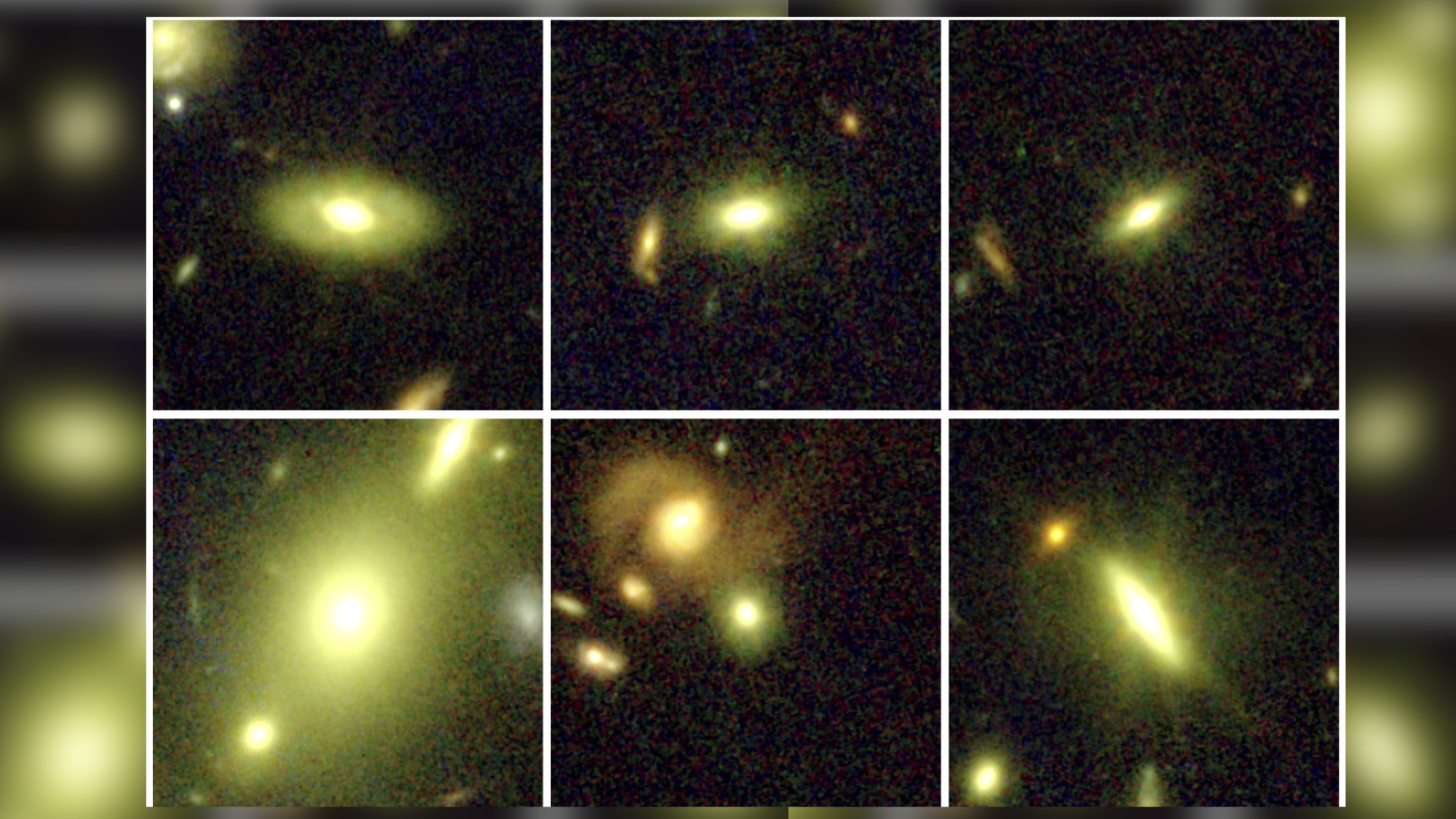
Recent analysis of James Webb Space Telescope data indicates that early galaxies are significantly more massive than previously estimated. The findings suggest that between the brightest "cosmic skyscraper" stars, there is a population of much fainter stars that contribute substantially to the total mass. This discovery challenges previous models of galaxy formation in the early universe and may impact how we interpret the Hubble tension by altering mass density estimates.
Planet Formation is a "Race Against Time"
Astronomers using JWST observed 72 young sun-like stars and concluded that planet formation occurs rapidly before the surrounding gas and dust dissipate. The study highlights that the window for forming gas giants is shorter than previously thought, adding urgency to observations of protoplanetary disks. These results provide critical context for future exoplanet searches by Roman and other observatories, emphasizing the need to target very young stellar systems.
Local view
German media outlets have focused heavily on the technological contributions from Germany to the newly launched Roman Space Telescope. MDR.de highlights that precision technology from Heidelberg is embedded within the Roman telescope, noting the critical phase of verifying systems in space after liftoff. Tagesschau reports on the launch as a successor to Hubble, emphasizing the increased power and capability of the new observatory compared to the aging Hubble platform.
Context & numbers
The Roman Space Telescope was launched on August 30, 2026, following a "go" decision on August 28. It orbits the Sun rather than Earth, similar to JWST, allowing for stable observations. The mission is expected to conduct a vast survey of the sky, potentially discovering many more supernovae and exoplanets than previous missions.
On the radar
- Roman Commissioning: Following the successful launch, the next few months will focus on commissioning the Roman Space Telescope’s instruments and preparing for the Cycle 1 Call for Proposals.
- Rubin Observatory Operations: The Vera C. Rubin Observatory is expected to begin full science operations later in 2025/2026, with annual data releases starting in 2026, which will complement Roman’s infrared data with visible-light observations.
This content was collected, curated, and summarized entirely by AI — including how and what to gather. It may contain inaccuracies. Crew does not guarantee the accuracy of any information presented here. Always verify facts on your own before acting on them. Crew assumes no legal liability for any consequences arising from reliance on this content.
Powered by
