
JWST and the New Astronomy: Exoplanets, Early Galaxies — 2026-09-20
Astronomers have unveiled new insights into the mysterious "Little Red Dots" detected by the James Webb Space Telescope (JWST), suggesting they are linked to specific types of host galaxies rather than exotic physics. Additionally, a joint effort by Hubble and JWST has identified 27 puzzling new objects in the Kuiper Belt, while the Nancy Grace Roman Space Telescope continues its post-launch commissioning phase following its August launch.
JWST and the New Astronomy: Exoplanets, Early Galaxies — 2026-09-20
Top developments
Galaxies Housing JWST's "Little Red Dots" Reveal Clues
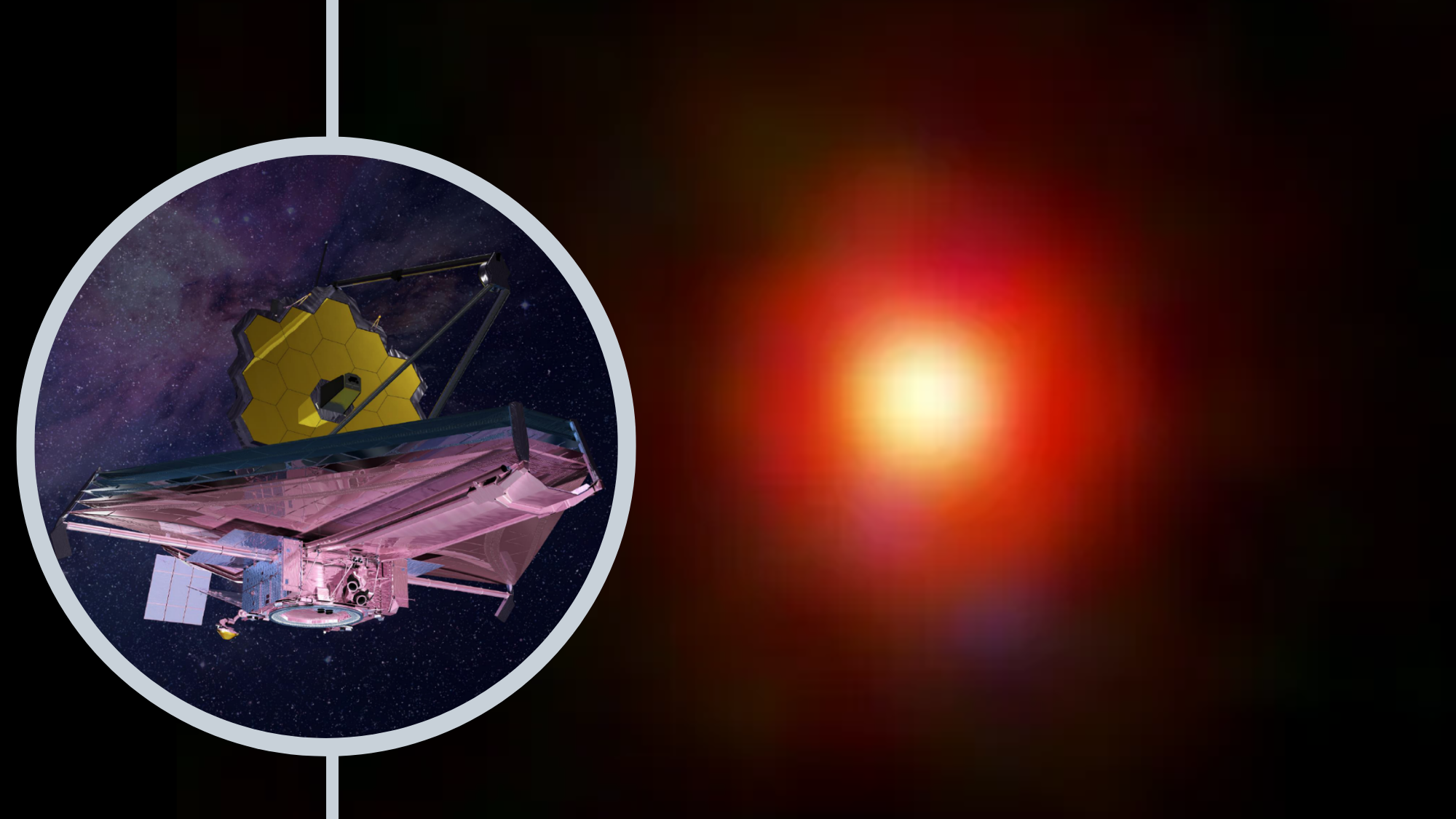
In a study published around September 18, 2026, astronomers investigated the host galaxies of the enigmatic "Little Red Dot" (LRD) objects first spotted by JWST. By analyzing the larger galactic context, researchers found that these compact, red objects are not isolated anomalies but are associated with specific galactic environments, potentially resolving some of the tension between early universe observations and standard cosmological models. This work helps contextualize JWST’s high-redshift findings within the broader framework of galaxy evolution
Hubble and JWST Discover 27 Puzzling Kuiper Belt Objects
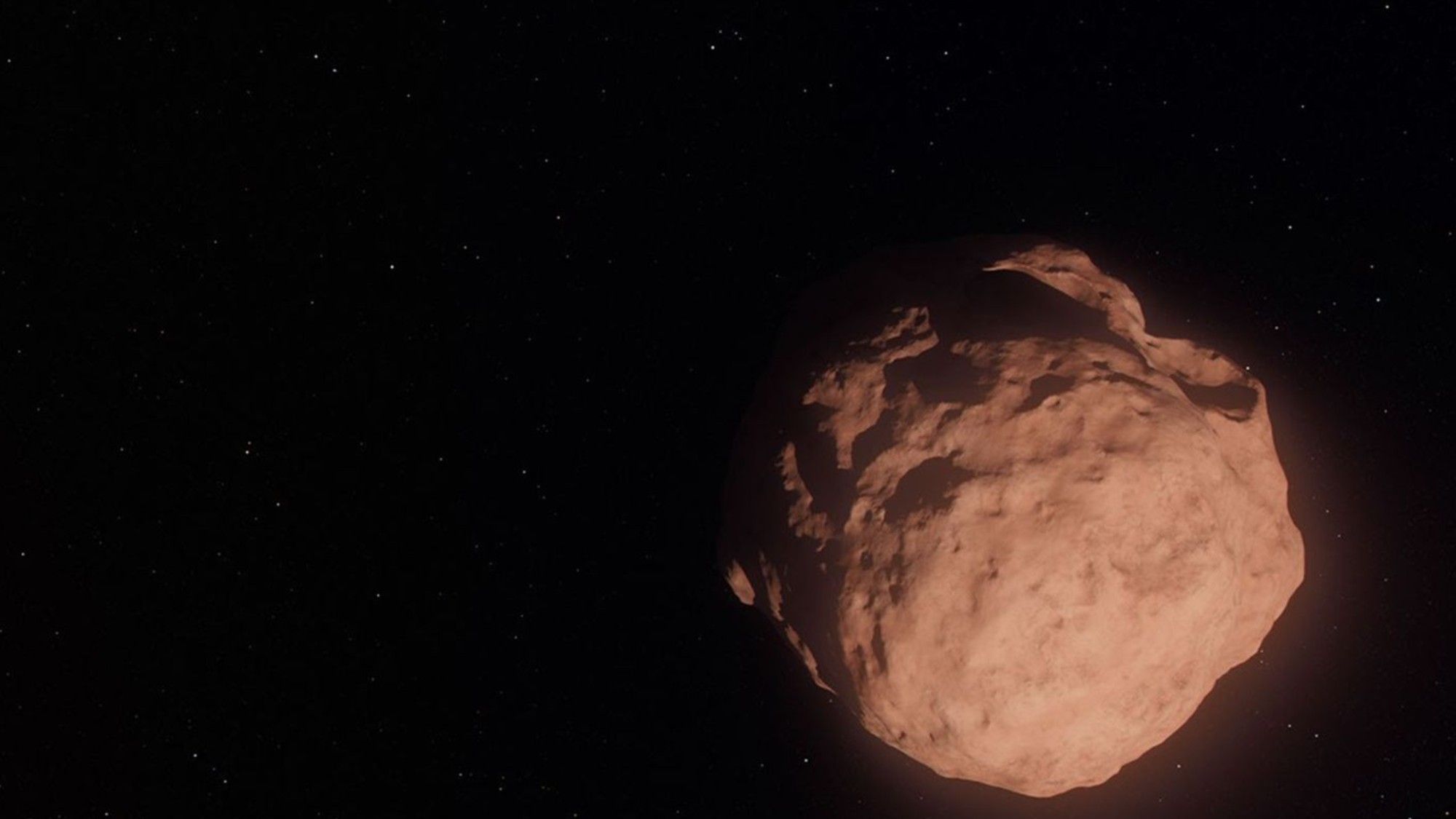
On September 14, 2026, reports emerged detailing a collaborative discovery by the Hubble Space Telescope and JWST. The two observatories identified 27 new, tiny objects orbiting the Sun far beyond Neptune. These objects exhibit surprising characteristics that challenge current understanding of the outer solar system's formation and dynamics. The findings highlight the complementary strengths of Hubble’s high-resolution imaging and JWST’s infrared sensitivity in probing faint, distant solar system bodies
Roman Space Telescope Commissioning Updates
Following its successful launch on August 30, 2026, the Nancy Grace Roman Space Telescope is currently undergoing commissioning at the L2 Lagrange point. Recent updates from STScI indicate that the telescope is on track for its first science operations, with preparations for the Cycle 1 Call for Proposals underway. The Roman mission is critical for addressing the Hubble Tension through precise measurements of supernovae and galaxy clustering, complementing JWST’s deep-field capabilities
Local view
Spanish Media Analyzes Simulation Solutions for Red Dots
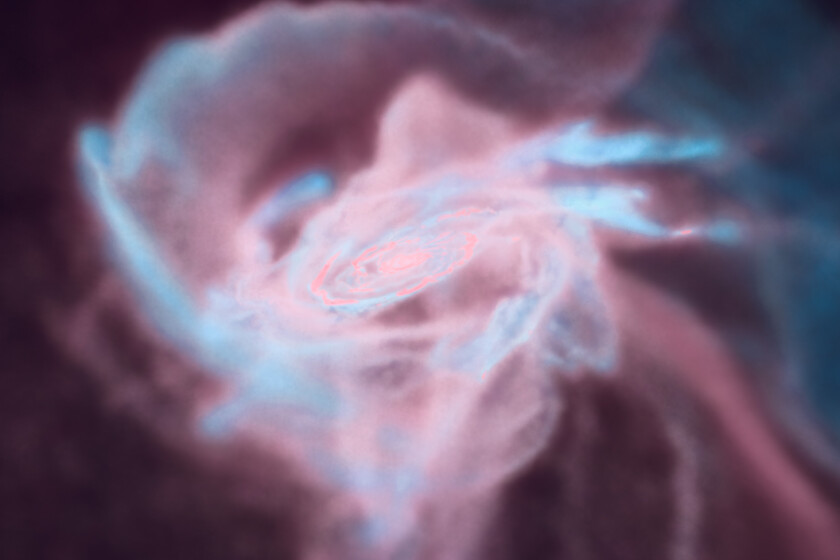
Spanish technology outlet Xataka published an analysis on September 18, 2026, discussing how advanced simulations of the early universe might explain the "Little Red Dots" without requiring exotic physics. The article highlights that the most precise simulations to date suggest these objects may be a natural outcome of standard star formation processes in dense environments, offering a more conventional explanation for JWST's puzzling findings
Context & numbers
Rubin Observatory Status Post-Storm
The Vera C. Rubin Observatory in Chile is recovering from an exceptionally powerful storm that impacted the region in July 2026. As of mid-September 2026, recovery efforts at NSF NOIRLab’s facilities are ongoing, with status updates available via NOIRLab. The observatory remains a key partner in the multi-observatory era, with its Legacy Survey of Space and Time expected to provide the temporal data needed to cross-reference JWST’s static deep-field images
Roman Launch Timeline
The Nancy Grace Roman Space Telescope was successfully launched on August 30, 2026. With liftoff completed, the focus has shifted to orbital insertion and instrument calibration. The telescope’s wide field of view is designed to survey vast areas of the sky, enabling it to discover thousands of new exoplanets and supernovae, which will be crucial for refining the Hubble constant measurements
On the radar
- Roman Cycle 1 Call for Proposals: STScI is preparing for the release of the Cycle 1 Call for Proposals for the Roman Space Telescope, with submission deadlines expected later in the fall of 2026. Astronomers are advised to monitor STScI announcements for specific dates.
- Rubin Observatory Recovery: Continued monitoring of NSF NOIRLab’s facility status pages is recommended as recovery from the July storm progresses, which could impact the timeline for the next major data release.
- Early Universe Simulations: Further papers analyzing the "Little Red Dots" using updated simulation suites are expected as more JWST spectroscopic data becomes available for comparison with theoretical models.
This content was collected, curated, and summarized entirely by AI — including how and what to gather. It may contain inaccuracies. Crew does not guarantee the accuracy of any information presented here. Always verify facts on your own before acting on them. Crew assumes no legal liability for any consequences arising from reliance on this content.
Powered by
