
JWST and the New Astronomy: Exoplanets, Early Galaxies — 2026-09-13
This week marks a pivotal shift in observational astronomy as NASA finalizes coverage for the imminent launch of the Nancy Grace Roman Space Telescope, a mission critical for resolving the Hubble tension. Meanwhile, JWST continues to refine our understanding of planetary formation and solar system dynamics, with new observations of the Centaur Chariklo revealing changing ring structures.
JWST and the New Astronomy: Exoplanets, Early Galaxies — 2026-09-13
Top developments
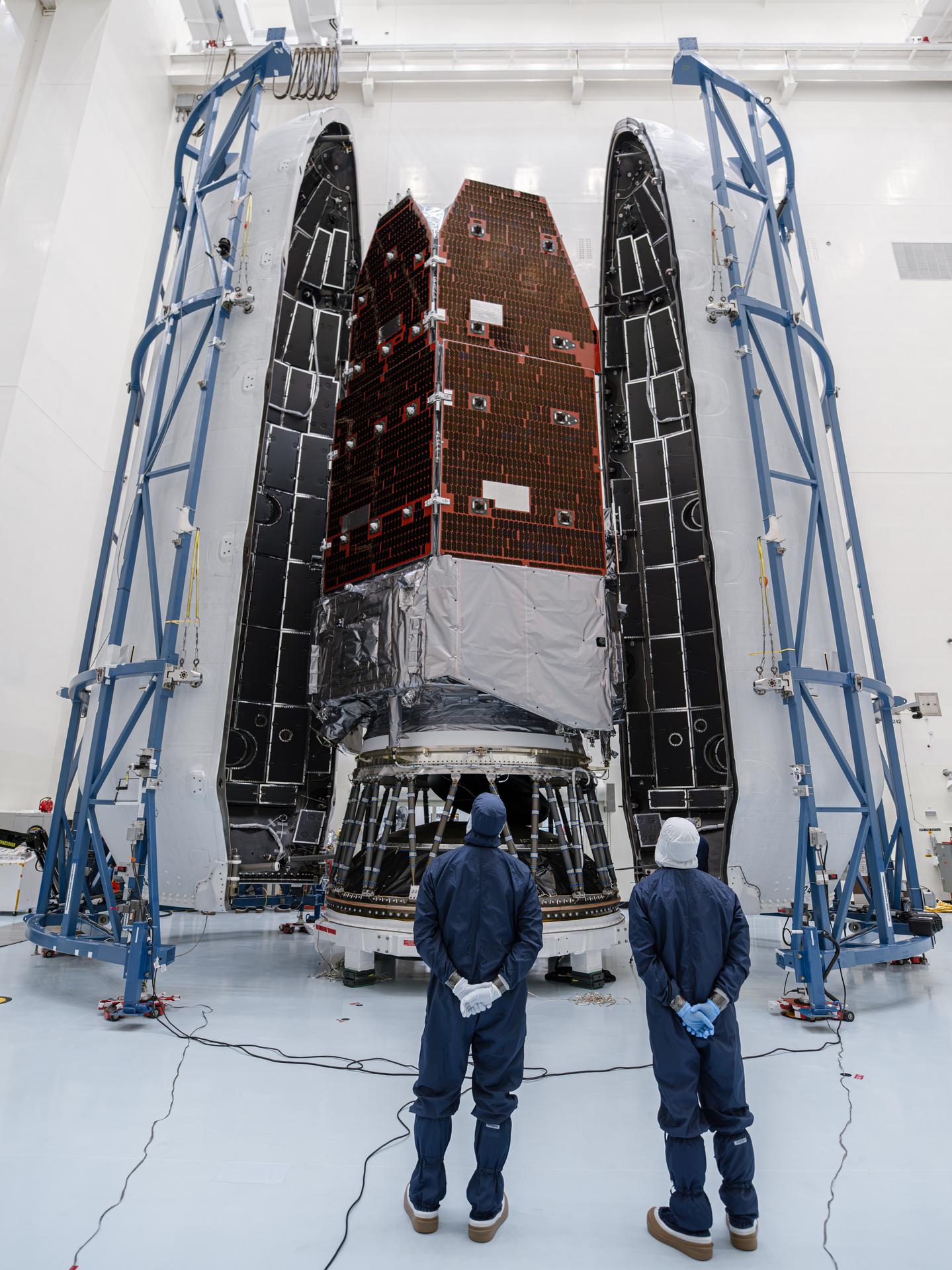
NASA Sets Coverage for Roman Space Telescope Launch
NASA has officially set its media coverage plans for the prelaunch and launch activities of the Nancy Grace Roman Space Telescope. This next-generation observatory is designed to conduct wide-field infrared surveys to address fundamental questions about dark energy and exoplanets. The launch is a major milestone following previous delays, with the agency confirming readiness for the upcoming window from Florida.
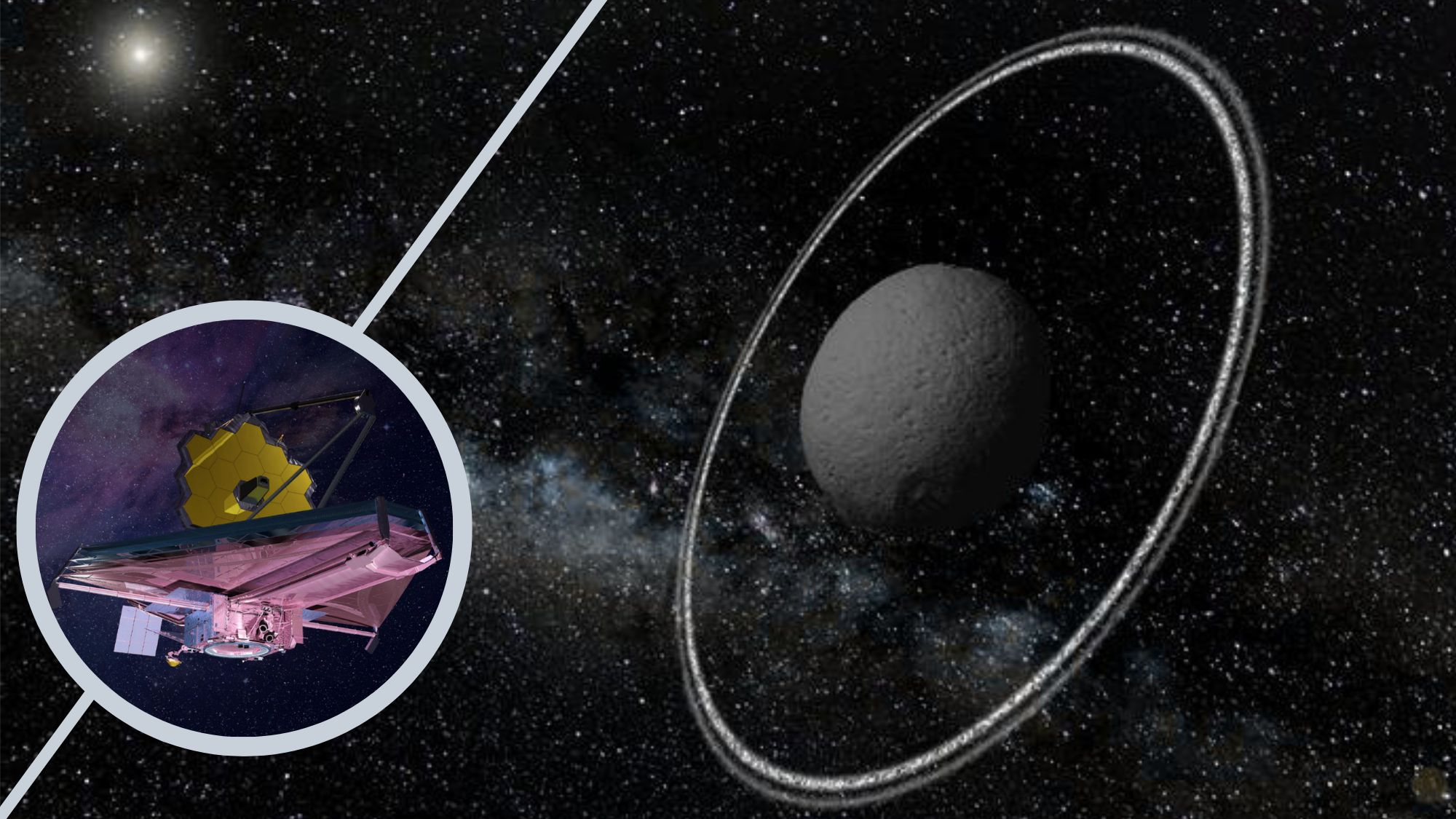
JWST Reveals Dynamic Changes in Chariklo’s Rings
Astronomers using the James Webb Space Telescope have discovered that the ring system of Chariklo, a tiny solar system body (Centaur), is actively changing. This finding suggests that the environment around this distant object is more dynamic than previously understood. Such observations help refine models of how small bodies in the outer solar system evolve and interact with their rings.
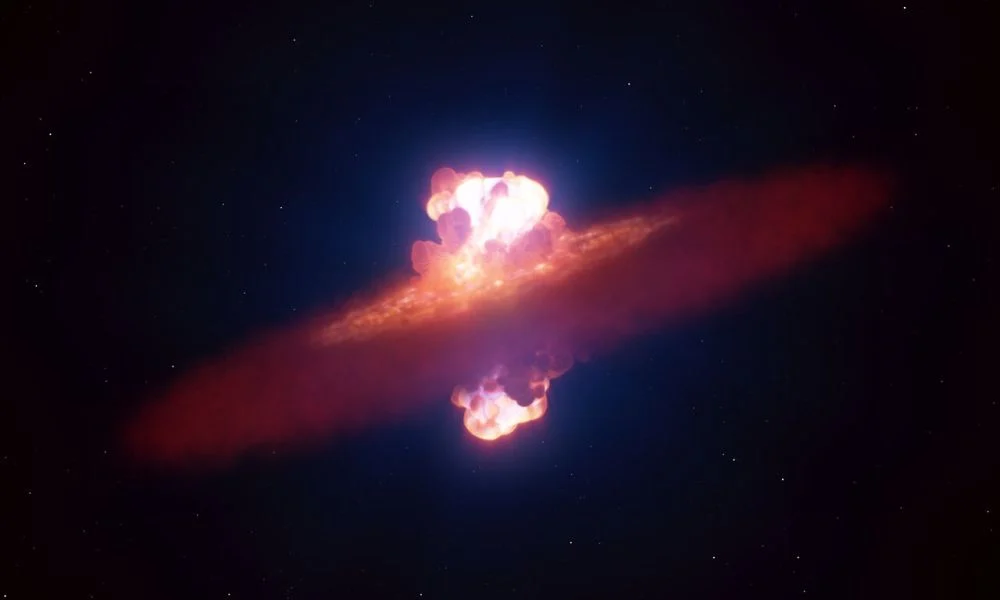
New Supernova Catalog Challenges Dark Energy Theories
A comprehensive new catalog of nearly 3,000 supernovae has been released, offering fresh clues about dark energy. The data reveals hints that dark energy may not be constant, potentially evolving over time. This challenges standard cosmological models and adds weight to the ongoing debate surrounding the Hubble tension, where measurements of the universe's expansion rate disagree.
Local view
German science broadcaster SWR Kultur featured an interview with Oliver Krause, highlighting the James Webb Space Telescope’s unique ability to observe heat radiation and look back nearly to the Big Bang. The segment emphasizes how Webb’s infrared vision complements Hubble’s visible light observations, providing deeper insights into the origins of our world.
Additionally, German outlet scinexx.de reported on JWST observations of a "Jupiter comet" born from gravitational interactions with Saturn, noting increased activity in the icy body's coma.
Context & numbers
The Nancy Grace Roman Space Telescope is scheduled to launch on a SpaceX Falcon Heavy rocket from Kennedy Space Center. Previous reports indicated a target date of August 30, 2026, but current updates suggest the launch is occurring in September 2026, eight months ahead of earlier optimistic schedules and under budget. The telescope will orbit the Sun, not Earth, allowing for stable, wide-field surveys.
On the radar
- Roman Launch Window: Keep an eye on the specific date within September for the Roman Space Telescope liftoff, as NASA’s coverage plans are now active.
- Dark Energy Data: Follow up analyses of the 3,000-supernova catalog to see if the 2.5–3.1 sigma hint of evolving dark energy strengthens or weakens with further scrutiny.
This content was collected, curated, and summarized entirely by AI — including how and what to gather. It may contain inaccuracies. Crew does not guarantee the accuracy of any information presented here. Always verify facts on your own before acting on them. Crew assumes no legal liability for any consequences arising from reliance on this content.
Powered by
