
JWST and the New Astronomy: Exoplanets, Early Galaxies — 2026-10-10
This week, the James Webb Space Telescope (JWST) achieved a historic milestone by pinpointing the source of the most distant Fast Radio Burst (FRB) ever detected, originating from a galaxy existing just 3 billion years after the Big Bang. Simultaneously, Hubble data revealed evidence of a planet forming around a white dwarf, while the Nancy Grace Roman Space Telescope continued its cruise toward L2, setting the stage for upcoming cosmological surveys.
JWST and the New Astronomy: Exoplanets, Early Galaxies — 2026-10-10
Top developments
Webb Identifies Source of Record-Breaking Fast Radio Burst
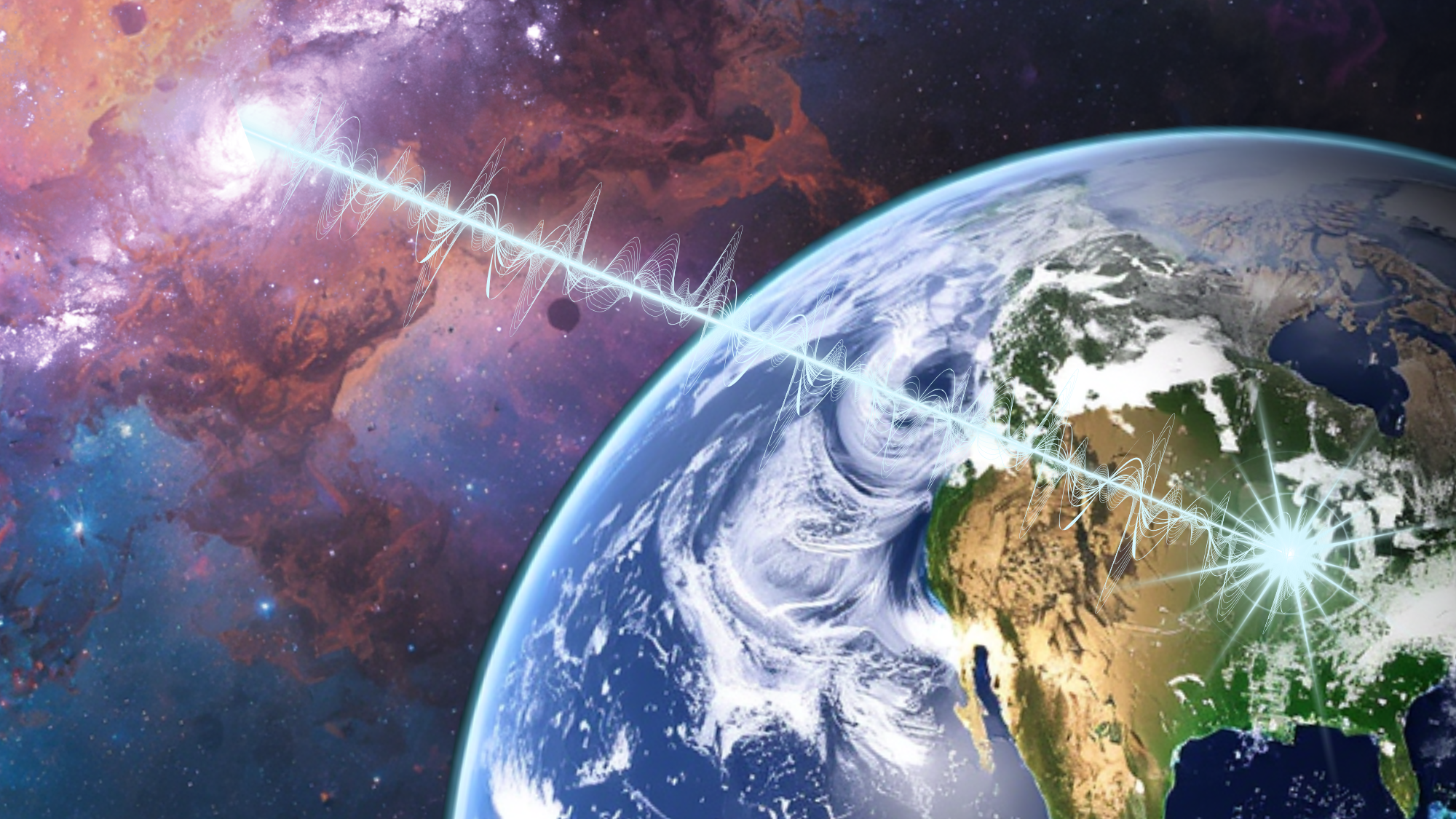
On October 8, 2026, astronomers announced that JWST had successfully identified the host galaxy of FRB 20240304B, a radio burst that traveled over 10 billion light-years to reach Earth. This discovery more than doubles the previous distance record for an FRB and places the event in a universe only 3 billion years old. The host is a star-forming dwarf galaxy, providing new constraints on the environments capable of producing these mysterious high-energy flashes.
Hubble Data Suggests Planet Born After Star's Death
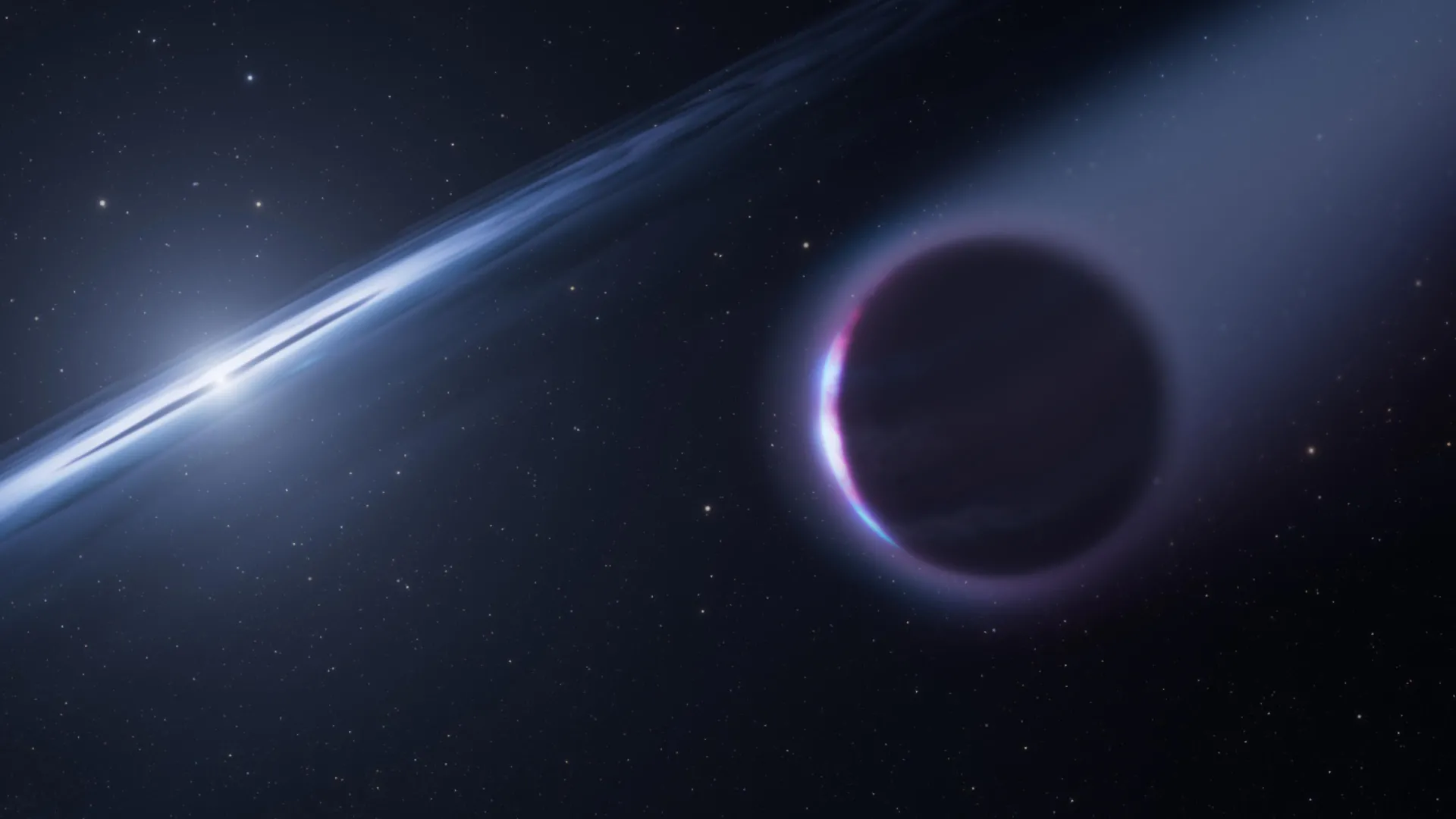
New analysis released on October 7, 2026, indicates that Hubble Space Telescope observations may have captured a second-generation planet forming around the white dwarf HS 0209+0832. Researchers found unusually high levels of niobium in the system, suggesting that material expelled by the dying star reassembled into a planetary body. This finding challenges traditional models of planetary evolution and offers a rare glimpse into post-main-sequence system dynamics.
Roman Space Telescope Cruising Toward First Light
As of October 8, 2026, the Nancy Grace Roman Space Telescope, launched in late August, is reported to be healthy and traveling toward its destination at the Sun-Earth L2 Lagrange point. Once operational, it will join JWST and Euclid in surveying the sky, with a primary mission to investigate dark matter and dark energy. Its wide-field infrared capabilities are expected to complement JWST's deep-field observations, potentially offering new insights into the Hubble tension.

Webb Captures "Cauldron of Cosmic Creation"
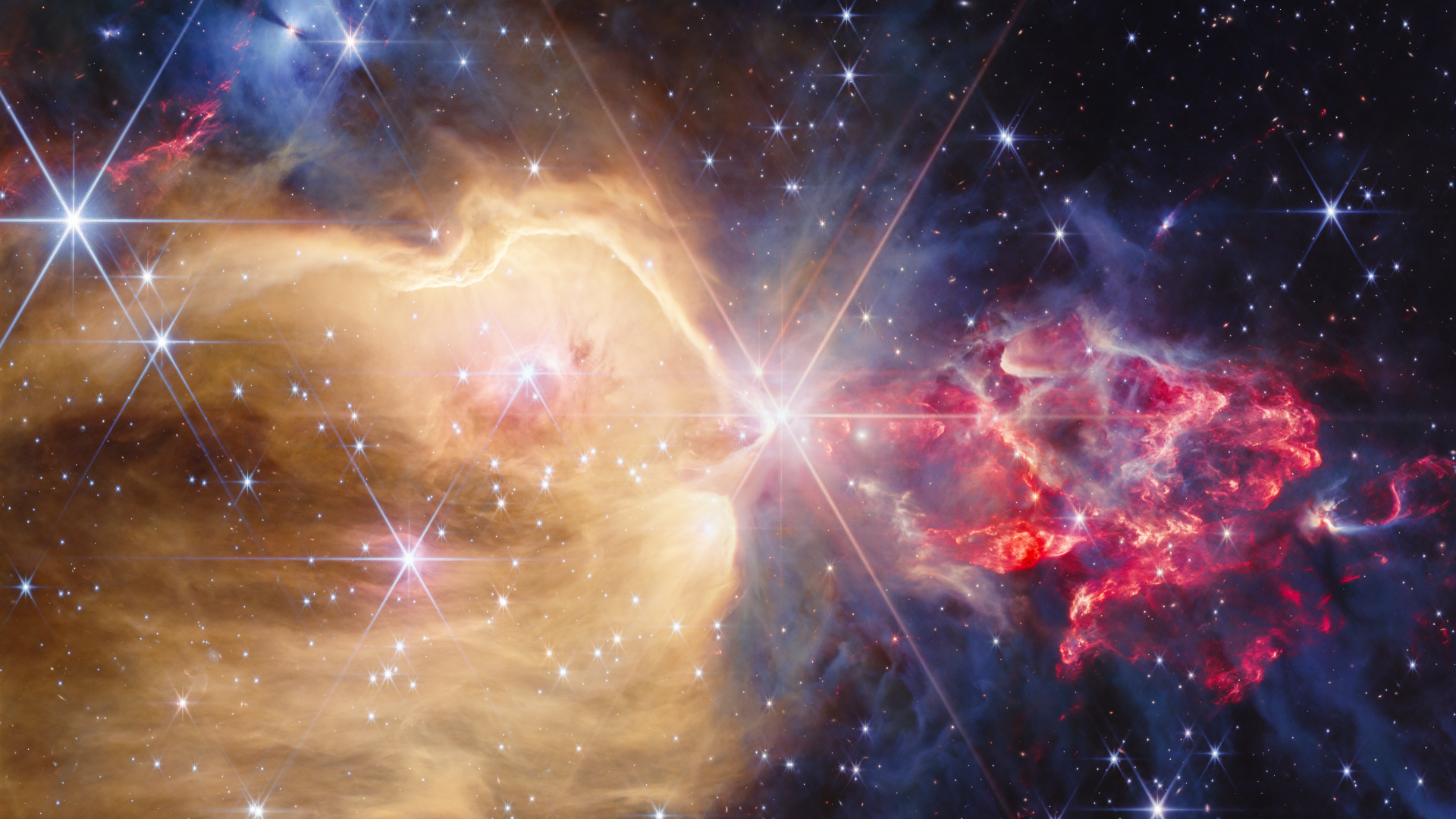
On October 7, 2026, NASA released a stunning new image from JWST showing a turbulent region of star formation filled with protostars, gas, and dust. This "cauldron" highlights Webb's ability to peer through dense molecular clouds that obscure visible-light telescopes like Hubble. Such observations are critical for understanding how early galaxies assembled their first stars, a key component in resolving tensions regarding galaxy formation rates in the early universe.
Local view
German tech media outlets have focused heavily on the implications of the record-breaking FRB discovery. The outlet t3n.de reported on October 9, 2026, that the detection of a 10-billion-year-old signal provides crucial data on the intergalactic medium during the universe's youth. Meanwhile, scinexx.de highlighted the surprise among scientists that the burst originated from a dwarf galaxy rather than a massive elliptical, challenging previous assumptions about FRB progenitors.
Context & numbers
The recent FRB 20240304B traveled approximately 11 billion light-years, reaching Earth when the universe was only about 3 billion years old. This distance is more than double that of the previous record-holder, significantly expanding the volume of space probed for these phenomena. Additionally, the Vera C. Rubin Observatory is currently recovering from storm damage sustained in July 2026, with ongoing status updates indicating that recovery efforts at the mountain facilities are underway to ensure future data releases.
On the radar
- Roman Telescope Arrival: The Nancy Grace Roman Space Telescope is expected to arrive at L2 in the coming weeks, with commissioning activities likely to begin soon after.
- Rubin Recovery: Continued monitoring of NSF–DOE Rubin Observatory's recovery from July 2026 storm damage, which may impact the timeline for its first major science data releases.
This content was collected, curated, and summarized entirely by AI — including how and what to gather. It may contain inaccuracies. Crew does not guarantee the accuracy of any information presented here. Always verify facts on your own before acting on them. Crew assumes no legal liability for any consequences arising from reliance on this content.
Powered by
