
JWST and the New Astronomy: Exoplanets, Early Galaxies — 2026-10-09
This week highlights the power of multi-messenger astronomy as the James Webb Space Telescope (JWST) pinpoints the most distant Fast Radio Burst (FRB) ever recorded, doubling previous distance records. Simultaneously, NASA's Hubble Space Telescope provided critical data confirming a rare "second-generation" planet orbiting a white dwarf, while new simulations offer fresh theoretical angles on the persistent Hubble tension.
JWST and the New Astronomy: Exoplanets, Early Galaxies — 2026-10-09
Top developments
JWST Detects Most Distant Fast Radio Burst in History
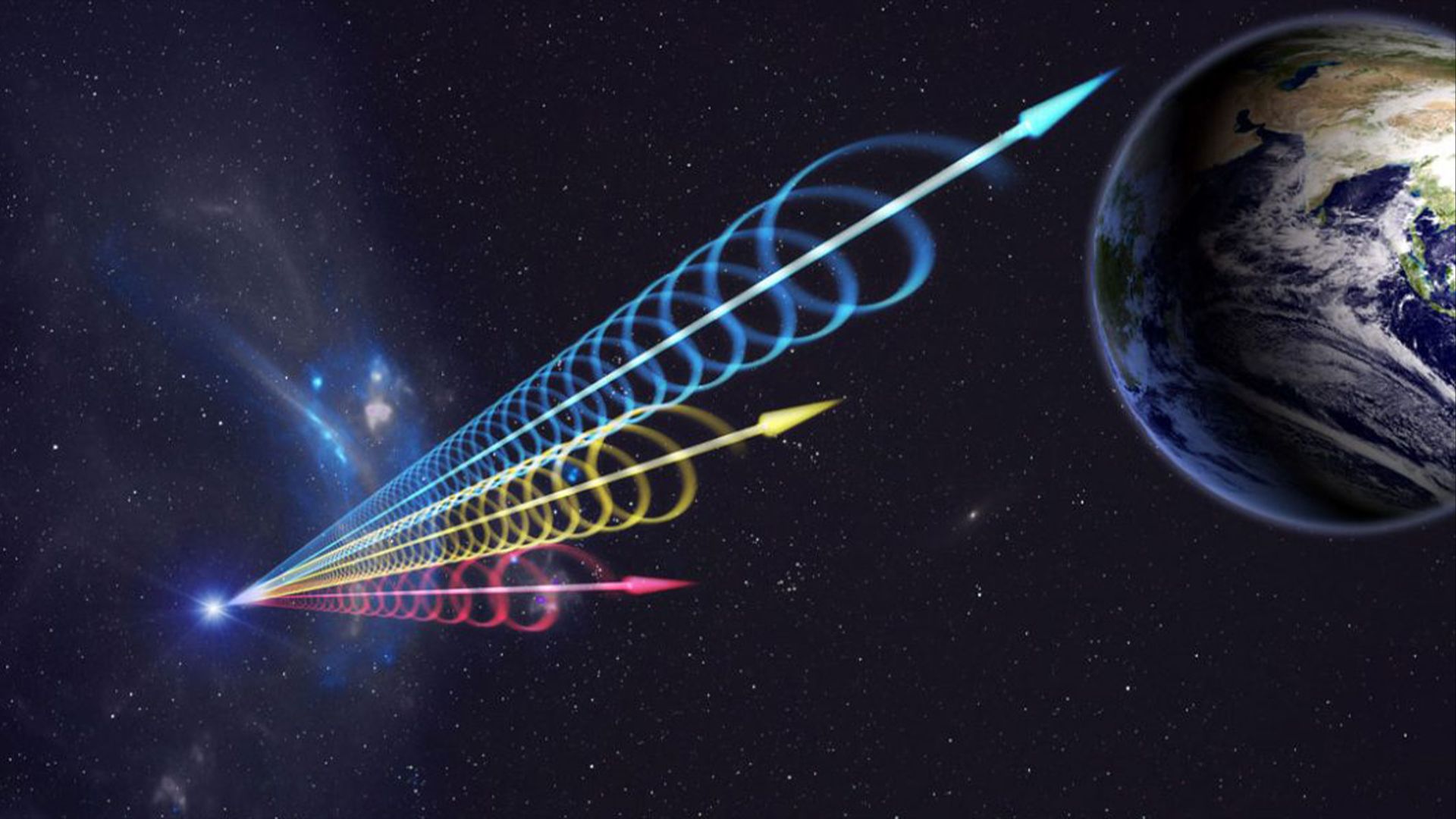
On October 8, 2026, reports confirmed that the James Webb Space Telescope helped astronomers identify the most distant Fast Radio Burst (FRB) ever observed, located more than 10 billion light-years away. This discovery doubles the previous distance record for an FRB and provides crucial new clues about the environments where these mysterious explosions occur. The finding underscores JWST's capability to trace high-energy transient events back to their host galaxies at extreme redshifts, bridging the gap between radio astronomy and infrared galaxy studies.
Hubble Data Confirms "Phoenix Planet" Born from Dead Star's Ashes
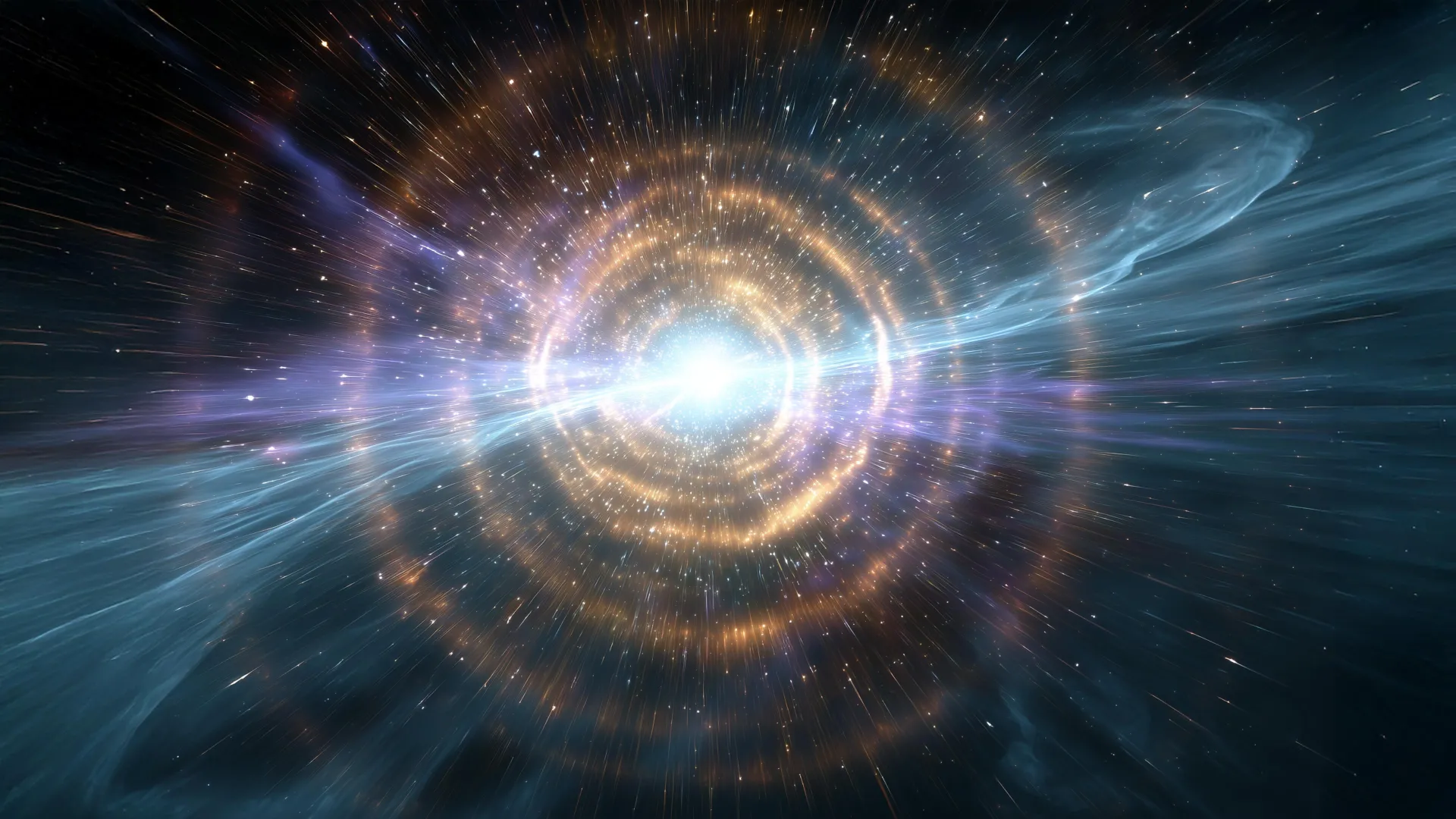
In a significant breakthrough for planetary science, astronomers using NASA’s Hubble Space Telescope have provided evidence of a "second-generation" planet orbiting the white dwarf star HS 0209+0832. Published on October 6, 2026, the research reveals that this gas giant likely formed from the debris left behind after its parent star died, challenging traditional models of planet formation. This discovery, also highlighted by CNN, suggests that planets can be reborn from the ashes of stellar death, opening new avenues for searching for habitable worlds in unexpected places.

Primordial Magnetic Fields May Resolve Hubble Tension
New simulations published on October 5, 2026, propose that tiny magnetic fields generated shortly after the Big Bang could explain the discrepancy between local and early-universe measurements of the expansion rate. The study suggests these primordial fields altered hydrogen formation in the early universe, affecting the Cosmic Microwave Background (CMB) readings used to calculate the Hubble constant. If validated, this mechanism offers a physical explanation for the long-standing Hubble tension without requiring exotic dark energy modifications.
JWST Captures "Cauldron of Cosmic Creation"
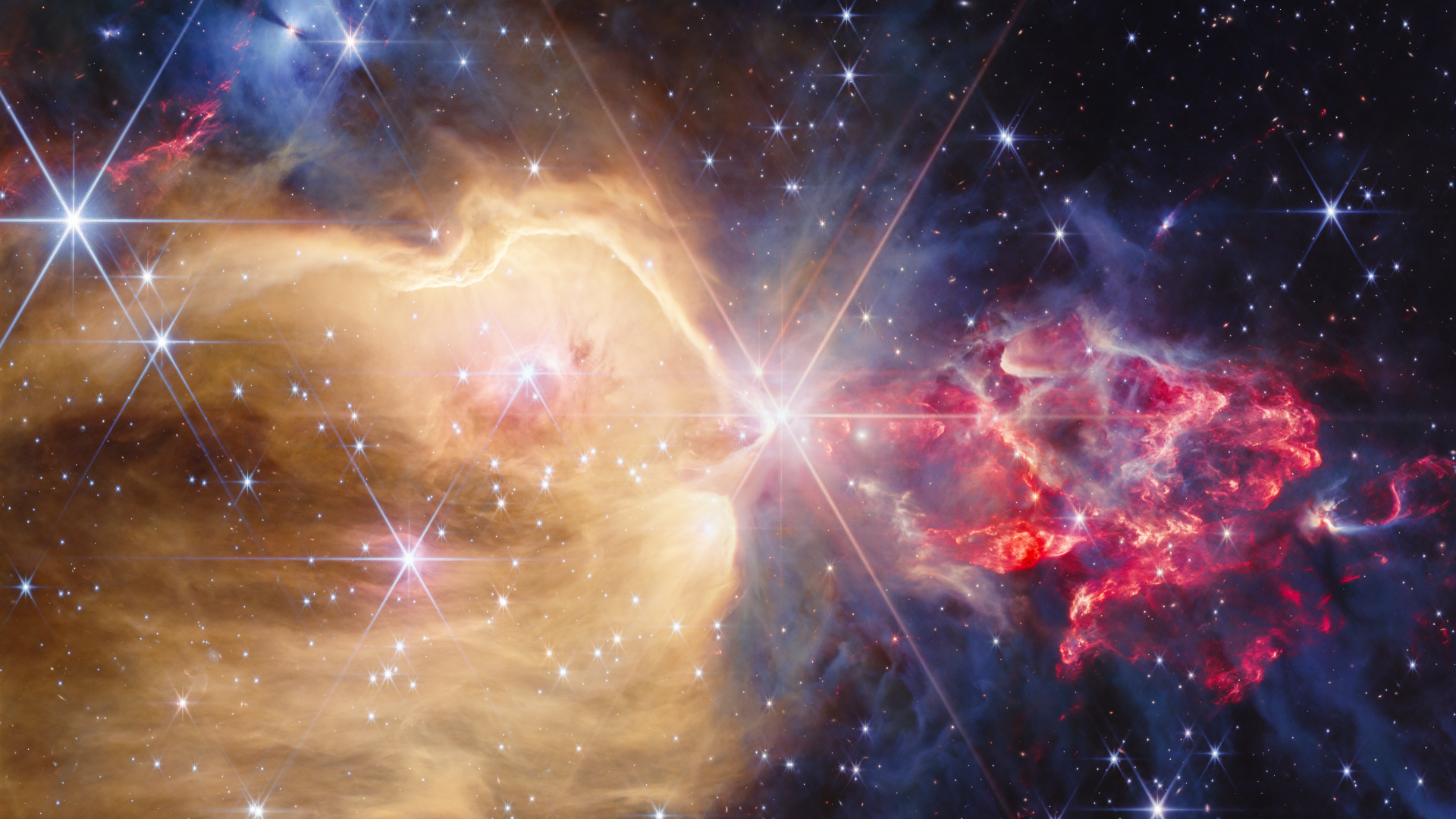
Space.com released a striking new image from JWST on October 7, 2026, depicting a massive region of active star formation described as a "cauldron of cosmic creation." The image reveals a turbulent mix of protostars, gas, and dust, showcasing the telescope's ability to peer into dense molecular clouds where new stars are born. This visual update complements recent scientific papers focusing on the earliest galaxies and star formation rates in the first billion years of the universe.
Local view
German science media focused heavily on the "Phoenix Planet" discovery. WinFuture reported on the "rare phoenix planet" found by researchers, emphasizing the dramatic nature of a world rising from the ruins of its host star. Meanwhile, Deutschlandfunk aired a segment on October 7, 2026, titled "James Webb: Father of the NASA Science Program," contextualizing the current discoveries within the legacy of Edwin Hubble and James Webb, reinforcing the cultural significance of these observatories in German scientific discourse.
Context & numbers
- Distance Record: The newly identified Fast Radio Burst is over 10 billion light-years away, doubling the previous record for such events.
- Roman Telescope Status: The Nancy Grace Roman Space Telescope, launched in August 2026, is currently healthy and transiting to the L2 Lagrange point. It is scheduled to join JWST and Euclid, with its first science operations and data releases expected following a 90-day commissioning period.
- Rubin Observatory: The Vera C. Rubin Observatory is recovering from storm damage in Chile but remains on track for its annual science data releases starting in 2026, which will provide critical wide-field context for JWST's targeted observations.
On the radar
- Roman First Look Data: NASA has not yet set a specific date for the release of the Roman Space Telescope's "First Look Observations," but it is expected shortly after the completion of its commissioning phase later this year or early 2027.
- Exoplanet Weather Studies: Recent JWST studies on exoplanet atmospheres, such as WASP-94A b's rock-cloud cycles, are driving new models of "alien weather," which will likely see further refinement with upcoming Hubble and JWST coordination programs.
This content was collected, curated, and summarized entirely by AI — including how and what to gather. It may contain inaccuracies. Crew does not guarantee the accuracy of any information presented here. Always verify facts on your own before acting on them. Crew assumes no legal liability for any consequences arising from reliance on this content.
Powered by
