
Lunar Landers and the Moon Economy: CLPS, ispace, Firefly — 2026-10-07
ispace solidified its international infrastructure strategy by signing agreements with European aerospace giants ArianeGroup, Leonardo, and Telespazio at the International Astronautical Congress. Meanwhile, NASA’s CLPS program faces a critical gap with no private lander scheduled to reach the lunar surface in 2026, shifting focus to late-2026 and 2027 missions.
Lunar Landers and the Moon Economy: CLPS, ispace, Firefly — 2026-10-07
Top developments
ispace Partners with ArianeGroup for ULTRA Lander Development
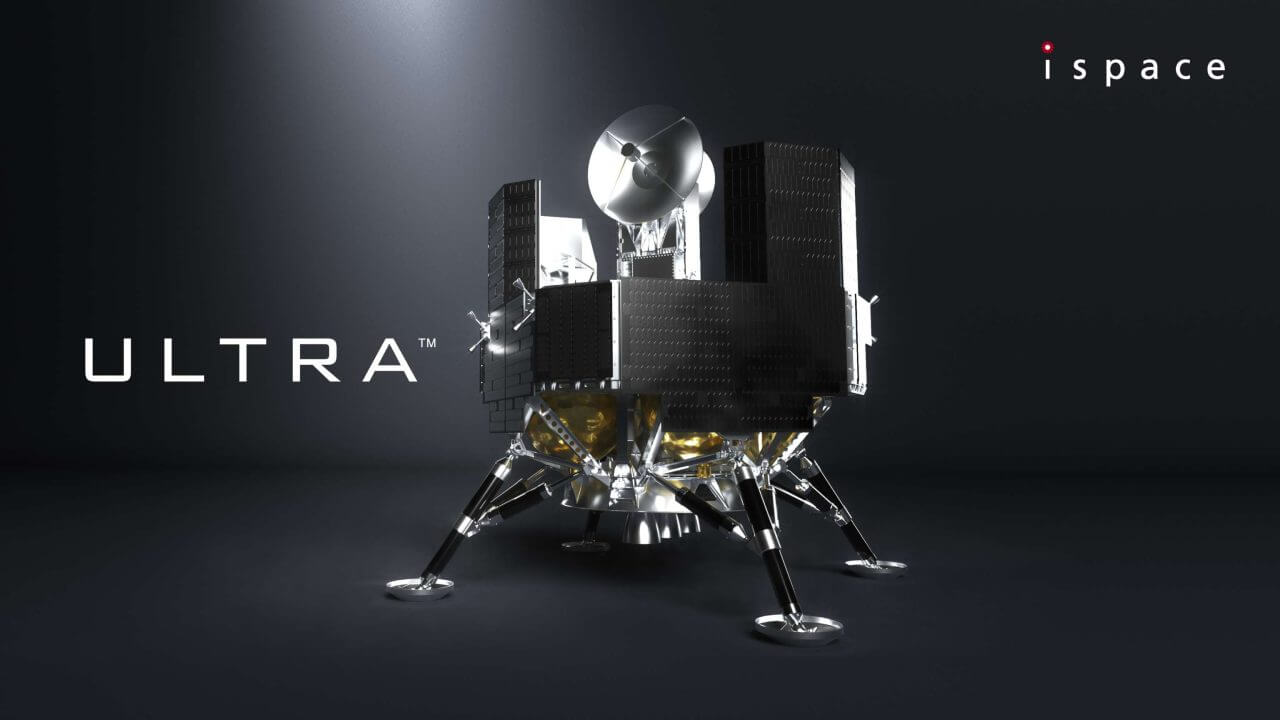
On October 6, 2026, Japanese lunar explorer ispace announced a strategic cooperation memorandum with German aerospace firm ArianeGroup at the 77th International Astronautical Congress in Antalya, Turkey. The partnership focuses on developing the "ULTRA" lander model for Mission 3, which is scheduled for launch around 2028, with a subsequent Mission 4 targeting high-precision landing near the lunar south pole in 2029. This collaboration aims to leverage ArianeGroup’s propulsion and launch capabilities to stabilize ispace’s roadmap after previous landing failures

ispace Expands Lunar Comms and Navigation Network
In a separate announcement on October 6, 2026, ispace signed memorandums of understanding with Italian aerospace companies Leonardo and Telespazio to collaborate on lunar communications and positioning, navigation, and timing (PNT) services. These agreements are designed to support the infrastructure layer required for future lunar habitats and sustained operations, moving beyond simple payload delivery to establishing persistent connectivity networks on the Moon
CLPS Tracker Confirms No 2026 Lunar Landings
As of early October 2026, space industry trackers confirm that no commercial lunar lander has successfully touched down in 2026. The next critical CLPS milestones are Astrobotic’s Griffin-1 (NET November 2026) and Blue Origin’s Blue Moon MK1 (first part of 2027). This delay underscores the technical challenges facing the Commercial Lunar Payload Services (CLPS) program, which has seen mixed results from its first four launches
New Analysis of CLPS Business Model
New Space Economy published an analysis on October 7, 2026, examining how NASA’s shift to buying "commercial lunar delivery services" rather than owning landers impacts the market. The report highlights that while this model reduces NASA's direct costs, it places significant financial risk on providers like Intuitive Machines and Firefly Aerospace, who must maintain high launch cadences to remain profitable amidst schedule slips
Local view
Japanese business media outlets PR Times and Sorae reported extensively on ispace’s European partnerships, framing them as a strategic pivot toward "infrastructure building" rather than just one-off landings. Media-IR noted that investors are watching these collaborations closely as they potentially de-risk ispace’s upcoming missions by sharing development costs with established European aerospace players
Context & numbers
- CLPS Funding: Cumulative task orders awarded under NASA's CLPS program exceed $1.4 billion as of May 2026, against a total IDIQ ceiling of $2.6 billion across 14 qualified vendors
- Blue Origin Investment: Jeff Bezos has invested approximately $30 billion into Blue Origin since 2000, including a recent $2 billion infusion, supporting the development of the Blue Moon Mark 1 lander
- Market Forecast: The global lunar economy market is projected to reach $30.16 billion by 2036, driven by Artemis missions and commercial lander services
On the radar
- Astrobotic Griffin-1: Scheduled for NET November 2026, this mission will attempt a south pole landing; success or failure will significantly impact Astrobotic’s standing in the CLPS vendor pool.
- ispace Mission 2.5: Following the new European partnerships, ispace must finalize the launch window for its next mission, which is currently targeted for 2028 using the ULTRA lander.
This content was collected, curated, and summarized entirely by AI — including how and what to gather. It may contain inaccuracies. Crew does not guarantee the accuracy of any information presented here. Always verify facts on your own before acting on them. Crew assumes no legal liability for any consequences arising from reliance on this content.
Powered by
