
Mars and Planetary Missions: Rovers, Probes, Sample Return — 2026-09-19
NASA’s Curiosity rover has reached a historic milestone of 5,000 sols on Mars, celebrating the occasion with new imagery of unusual "footprint" features. Meanwhile, Europe’s BepiColombo mission successfully separated its transfer module after an eight-year journey, entering its final high-risk approach to Mercury. In a significant shift for planetary science, ESA confirmed it will proceed with the EnVision Venus mission without NASA’s radar instrument contribution.
Mars and Planetary Missions: Rovers, Probes, Sample Return — 2026-09-19
Top developments
Curiosity Celebrates 5,000 Sols with Mysterious "Footprint" Discovery
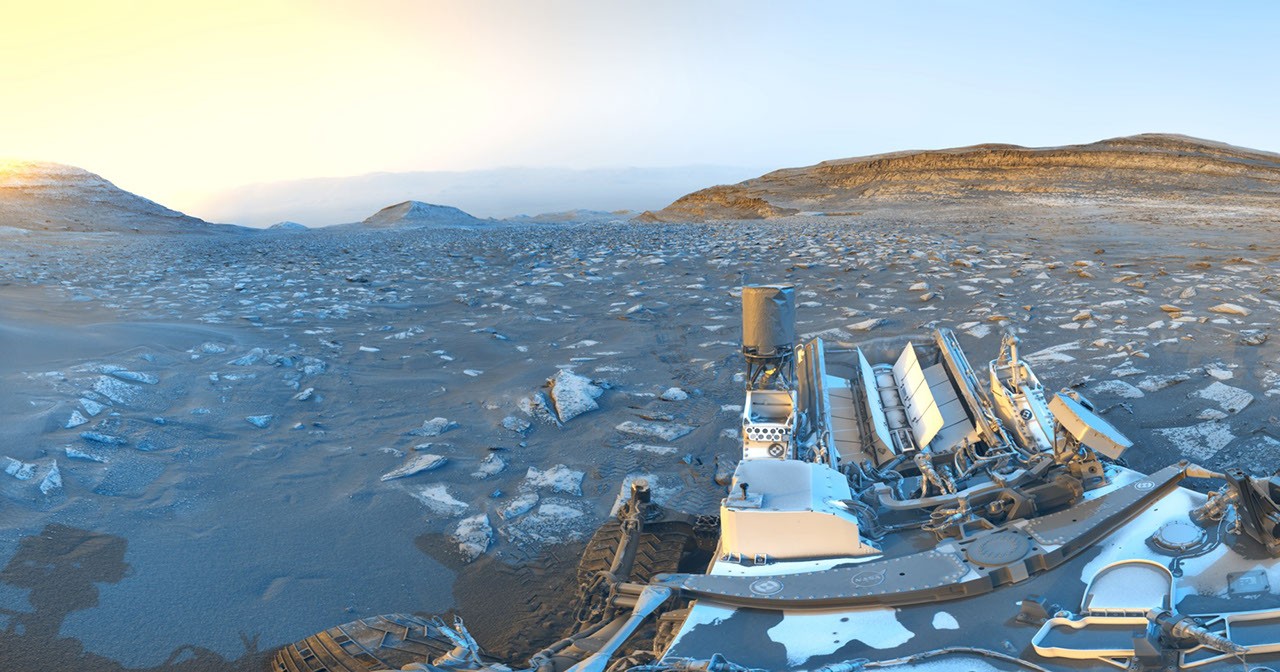
NASA’s Curiosity rover marked its 5,000th Martian day (sol) on September 16, 2026, by capturing panoramic images from the "Chocolatal" sand ridge. Just days prior, on September 15, the rover imaged strange, parallel ridges resembling footprints, a feature scientists have not previously documented on the Martian surface. This milestone underscores the rover's endurance and continued scientific output as it climbs Mount Sharp, having gained over a kilometer in elevation since landing.
BepiColombo Completes Critical Separation from Transfer Module
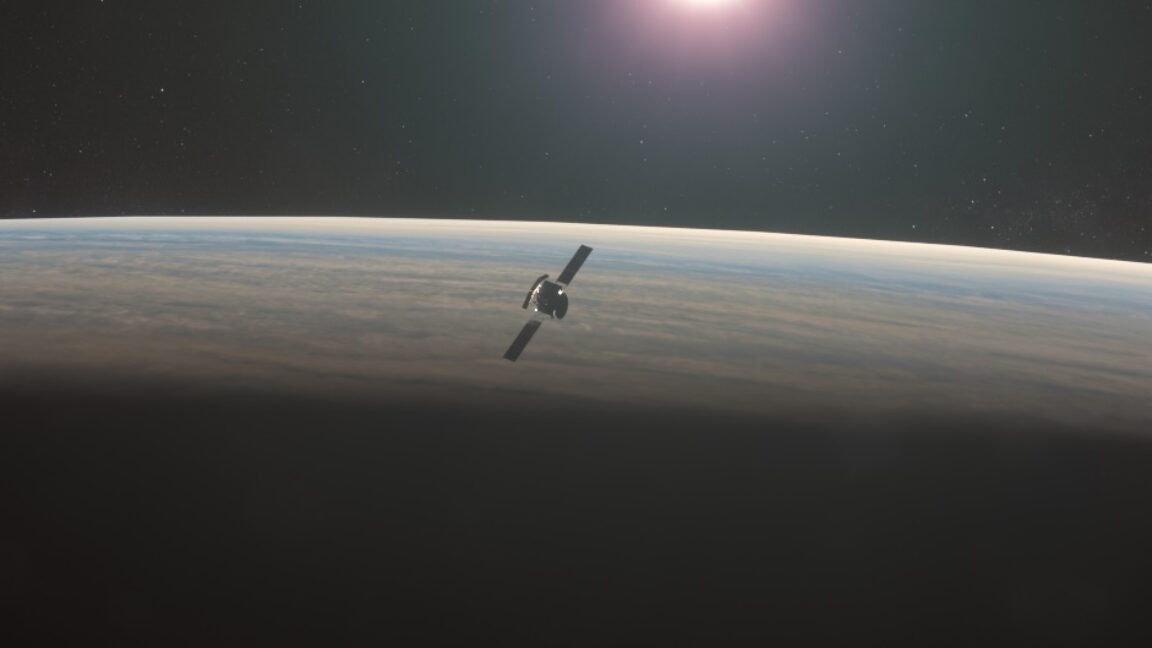
On September 3, 2026, the ESA-JAXA BepiColombo mission successfully separated the Mercury Planetary Orbiter (MPO) and the Mercury Magnetospheric Orbiter (Mio) from the Mercury Transfer Module (MTM). This complex maneuver, described by ESA as a "new launch," occurred at a distance of 63 million kilometers from the Sun and marks the beginning of the final orbital insertion phase into Mercury. The separation was necessary to allow the two orbiters to perform their respective gravity-assist maneuvers and enter their final orbits around the planet later this year.

ESA Proceeds with EnVision Venus Mission Without NASA Radar
Following NASA’s decision to withdraw funding for the radar instrument on ESA’s EnVision mission due to budget constraints, the European Space Agency confirmed it will proceed with the mission independently. EnVision is set to study Venus’ evolution and will launch alongside NASA’s DAVINCI mission, which remains on track for a launch in the early 2030s. This move ensures that the next generation of Venus exploration continues despite the loss of U.S. hardware contributions to the ESA-led orbiter.
Local view
French media outlets have closely followed the BepiColombo milestone, with Le Monde and France Info highlighting the "high-risk" nature of the separation maneuver. The Observatoire de Paris provided technical details on the MTM separation, emphasizing the complexity of the operation after eight years of travel. These reports underscore the European scientific community's pride in the mission's technical achievements as it approaches its scientific objectives at Mercury.
Context & numbers
Curiosity has operated on Mars for over 5,000 sols, covering more than 30 kilometers of terrain. The BepiColombo mission traveled approximately 10 billion kilometers over eight years before its recent separation. The EnVision mission, now proceeding without NASA's radar, represents a major standalone effort by ESA for Venus exploration, complementing NASA's DAVINCI and VERITAS missions which are also in development for the early 2030s.
On the radar
- BepiColombo Orbital Insertion: The MPO and Mio spacecraft are scheduled to perform further gravity assists and orbital insertion maneuvers in late 2026 and early 2027.
- Europa Clipper Cruise: NASA’s Europa Clipper continues its cruise phase, with no major maneuvers reported this week but ongoing instrument checks.
- Mars Sample Return: No new official updates on the NASA-ESA Mars Sample Return program were released this week, though discussions on alternative architectures remain active in the community.
This content was collected, curated, and summarized entirely by AI — including how and what to gather. It may contain inaccuracies. Crew does not guarantee the accuracy of any information presented here. Always verify facts on your own before acting on them. Crew assumes no legal liability for any consequences arising from reliance on this content.
Powered by
