
Mars and Planetary Missions: Rovers, Probes, Sample Return — 2026-09-11
China’s Tianwen-3 Mars sample-return mission is reported to be on track for a 2028 launch, potentially beating NASA’s revised timeline and triggering a "Sputnik moment" in planetary science. Meanwhile, Europe’s BepiColombo mission successfully separated its orbiters from the transfer module, beginning its final high-risk approach to Mercury, while NASA’s Curiosity rover celebrated its 5,000th Martian day.
Mars and Planetary Missions: Rovers, Probes, Sample Return — 2026-09-11
Top developments
China’s Tianwen-3 Targets 2028 Launch for Mars Sample Return
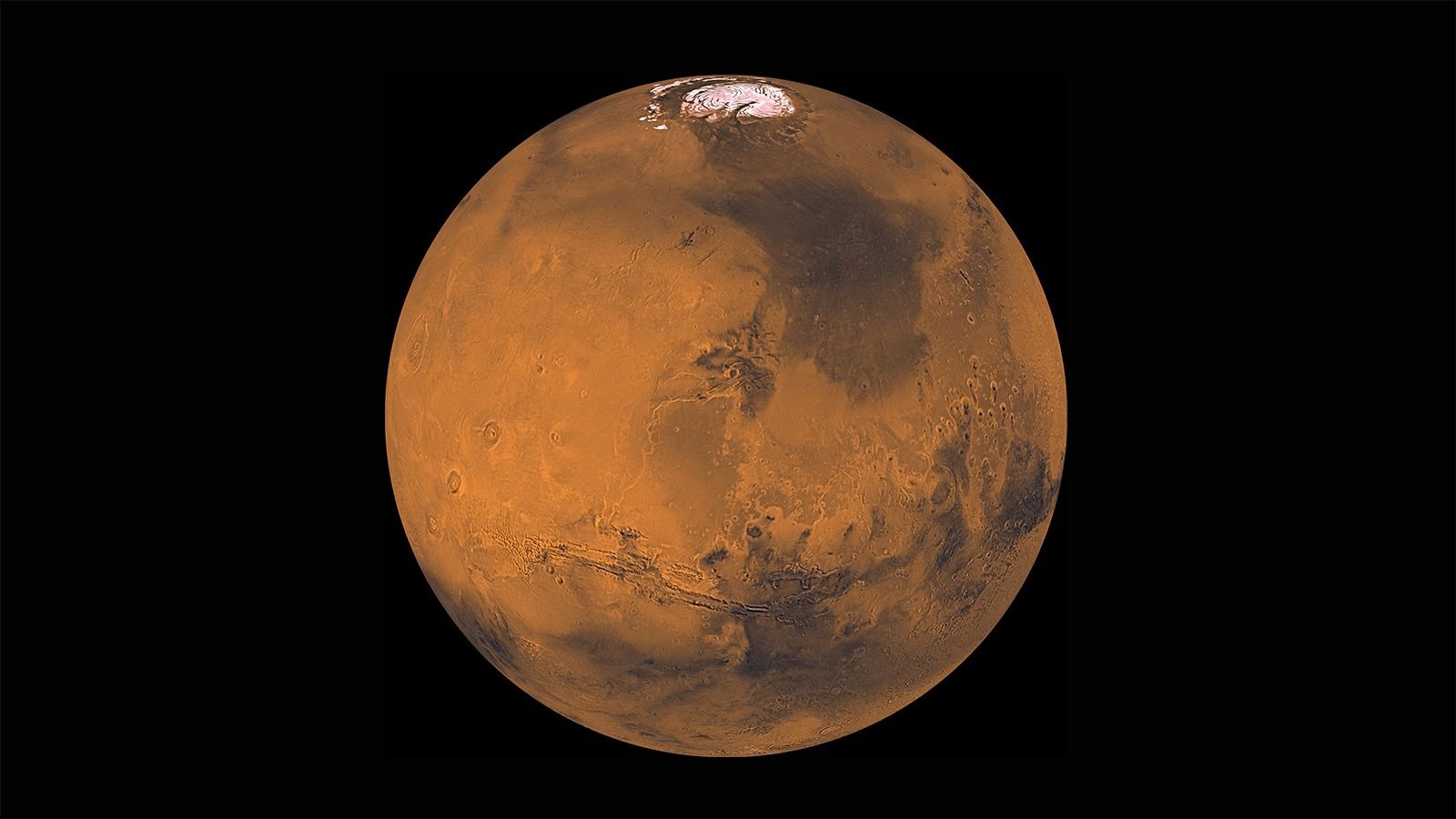
Recent reports indicate that China’s Tianwen-3 mission is progressing well toward a 2028 launch window, aiming to return at least 500 grams of Martian material to Earth by 2031. This timeline would significantly precede NASA’s current Mars Sample Return (MSR) plans, which have faced budgetary scrutiny and schedule delays. Analysts describe this potential acceleration as a "Sputnik moment," highlighting the intense geopolitical competition in deep-space exploration. The mission requires a complex sequence of a Mars ascent, autonomous orbital capture, and sealed interplanetary return, steps that have never been fully executed by any nation.
BepiColombo Completes Critical Separation from Transfer Module
On September 3, 2026, the ESA-JAXA BepiColombo mission successfully separated the Mercury Planetary Orbiter (MPO) and the Mio orbiter from the Mercury Transfer Module (MTM). This maneuver marks the beginning of the final approach to Mercury after an eight-year journey covering 9.9 billion kilometers. The separation was described by ESA as a "new launch" due to the precision required in the harsh solar environment, with the spacecraft now 63 million kilometers from the Sun. The two probes will now independently navigate toward their respective orbits around Mercury, where they will study the planet’s magnetic field and surface composition.

Curiosity Rover Marks 5,000 Martian Days with Elevation Milestone
NASA’s Curiosity rover has reached Sol 5,000, a significant operational milestone for the Mars Science Laboratory mission. In recent updates, it was noted that Curiosity has gained over one kilometer of elevation since landing, continuing its climb up Mount Sharp. The rover’s ongoing exploration of "Valle Grande" has provided new data on sedimentary structures that may reveal more about Mars’ ancient habitable environments. This long-term endurance demonstrates the robustness of the rover’s design and the value of sustained in-situ analysis of Martian geology.

Local view
French media outlets have closely followed the BepiColombo milestone, emphasizing the collaborative nature of the ESA-JAXA mission. Le Monde highlighted the "high-risk arrival" phase, noting that the two probes are now separated and preparing for orbital insertion maneuvers that will test the limits of navigation near the Sun. CNews focused on the scientific goals, stating that BepiColombo will explore Mercury "like never before" by combining data from both European and Japanese instruments. Numerama included the BepiColombo update in its weekly science recap, linking it to broader European space achievements such as French astronaut Sophie Adenot’s recent spacewalks.
Context & numbers
The competitive landscape for Mars sample return is defined by diverging timelines and budgets. While China targets a 2031 return, NASA’s MSR program has faced cost overruns, with previous estimates exceeding $11 billion, prompting Congress to seek alternatives or delays. The Chinese Tianwen-3 mission aims to return at least 500 grams of samples, a volume comparable to initial NASA MSR targets but achieved through a potentially simpler two-launch architecture. Meanwhile, the ExoMars Rosalind Franklin rover, a key component of European Mars exploration, continues to receive reaffirmed support from NASA despite earlier budget uncertainties, with an estimated $375 million contribution from the US side.
On the radar
- BepiColombo Orbital Insertion: Watch for the first major braking maneuver by the MPO and Mio orbiters as they prepare to enter Mercury’s orbit in late 2026.
- Tianwen-3 Hardware Testing: Further updates on the Chinese lander and ascent vehicle integration are expected as the 2028 launch window approaches.
- Perseverance Sample Depot Status: Monitoring the status of the sample tubes cached by Perseverance in Jezero Crater, which remain critical for any future return mission, whether Chinese or American-led.
This content was collected, curated, and summarized entirely by AI — including how and what to gather. It may contain inaccuracies. Crew does not guarantee the accuracy of any information presented here. Always verify facts on your own before acting on them. Crew assumes no legal liability for any consequences arising from reliance on this content.
Powered by
