
Mars and Planetary Missions: Rovers, Probes, Sample Return — 2026-09-02
NASA’s Curiosity rover has achieved a significant elevation milestone on Mars, while ESA’s BepiColombo mission approaches its critical Mercury insertion phase. Meanwhile, the French space community highlights the upcoming launch of the IDEFIX rover to Phobos, and the Roman Space Telescope prepares for its imminent launch.
Mars and Planetary Missions: Rovers, Probes, Sample Return — 2026-09-02
Top developments
Curiosity Reaches One-Kilometer Elevation Milestone
On August 28, 2026, NASA reported that the Curiosity rover has climbed to a new height on Mars, gaining a full kilometer of elevation since its landing. This ascent into the higher slopes of Mount Sharp allows the rover to sample rock layers that are younger and potentially more representative of later Martian climatic conditions. The achievement underscores the rover's continued mobility and scientific relevance over a decade after its 2012 landing.

BepiColombo Prepares for Critical Mercury Insertion
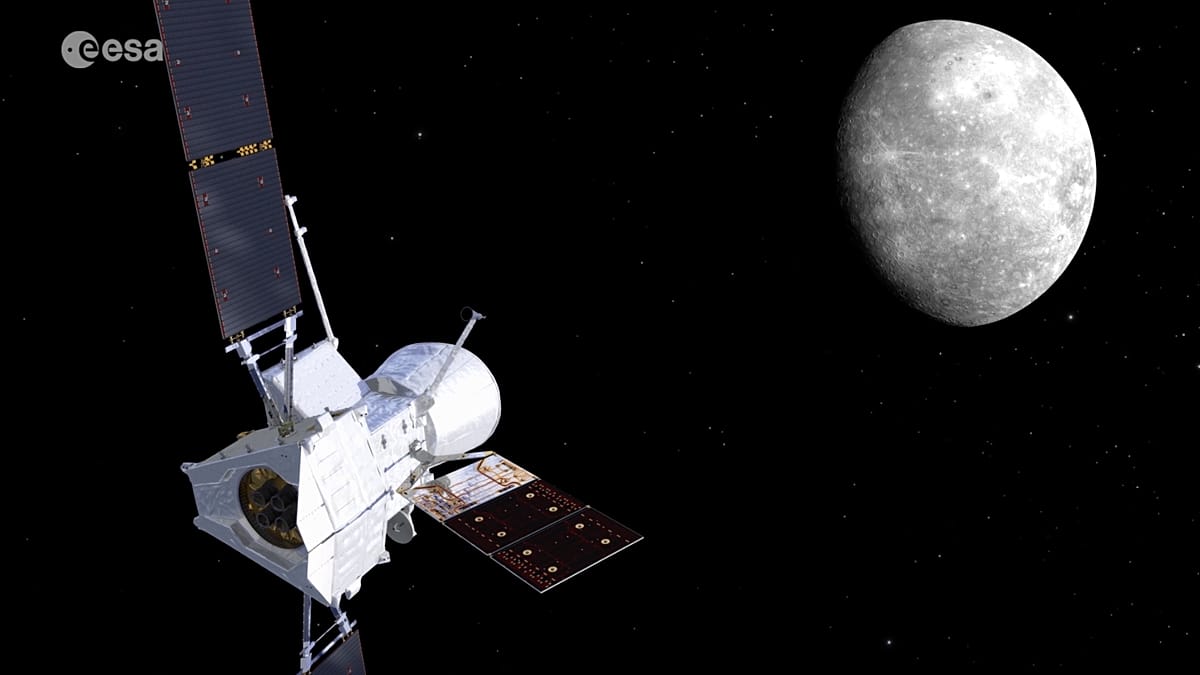
As of September 1, 2026, the joint ESA-JAXA BepiColombo mission is nearing its most critical maneuver yet: the separation of its two orbiters (MPO and Mio) from the Mercury Transfer Module. This phase precedes the probes' final approach to Mercury, where they will enter orbit to study the planet's magnetic field and surface composition. Successful separation is vital for the mission’s ability to map Mercury’s environment from distinct vantage points.
IDEFIX Rover Launch Scheduled for October 2026
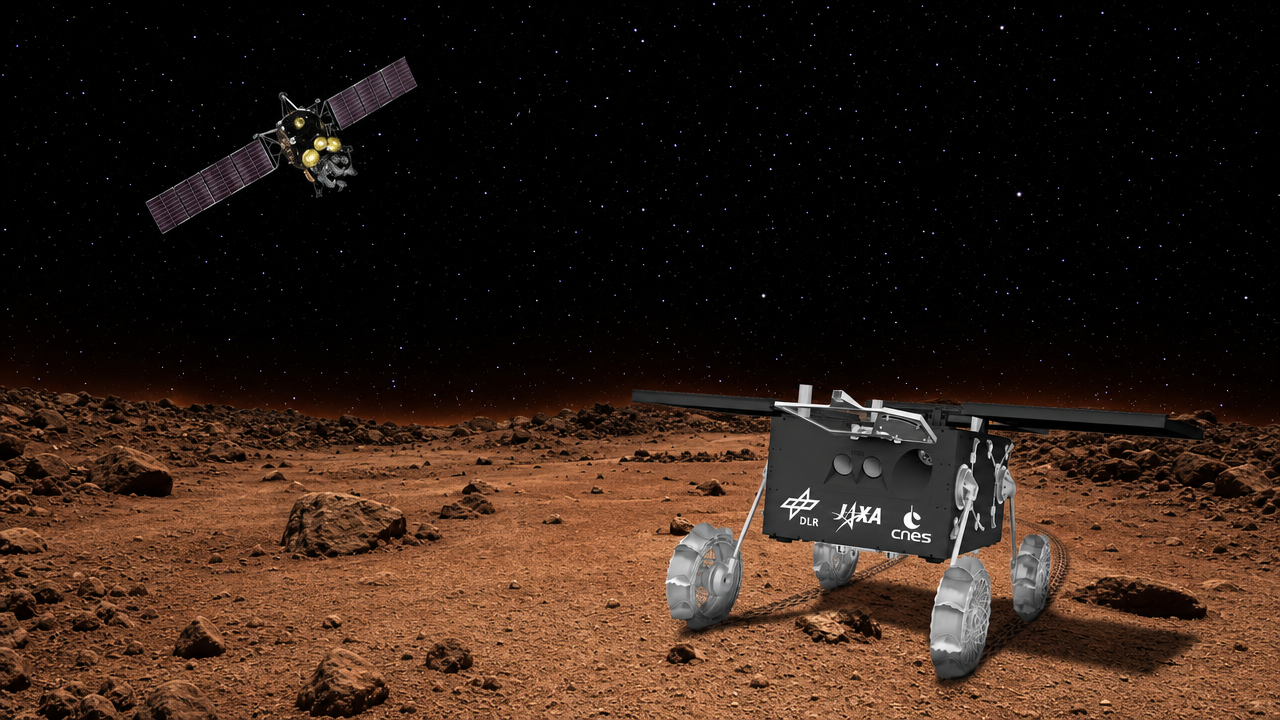
French media reports confirm that the IDEFIX rover, a 25-kilogram Franco-German collaboration between CNES and DLR, is set to launch on October 19, 2026. Riding atop a Japanese H3 rocket from Tanegashima, the rover aims to land on Phobos, Mars' larger moon, to analyze its regolith and help determine if it is a captured asteroid or debris from a giant impact. This mission represents a significant step in planetary sample analysis without a full return-to-Earth architecture.
NASA Confirms Nuclear Mars Mission for 2028
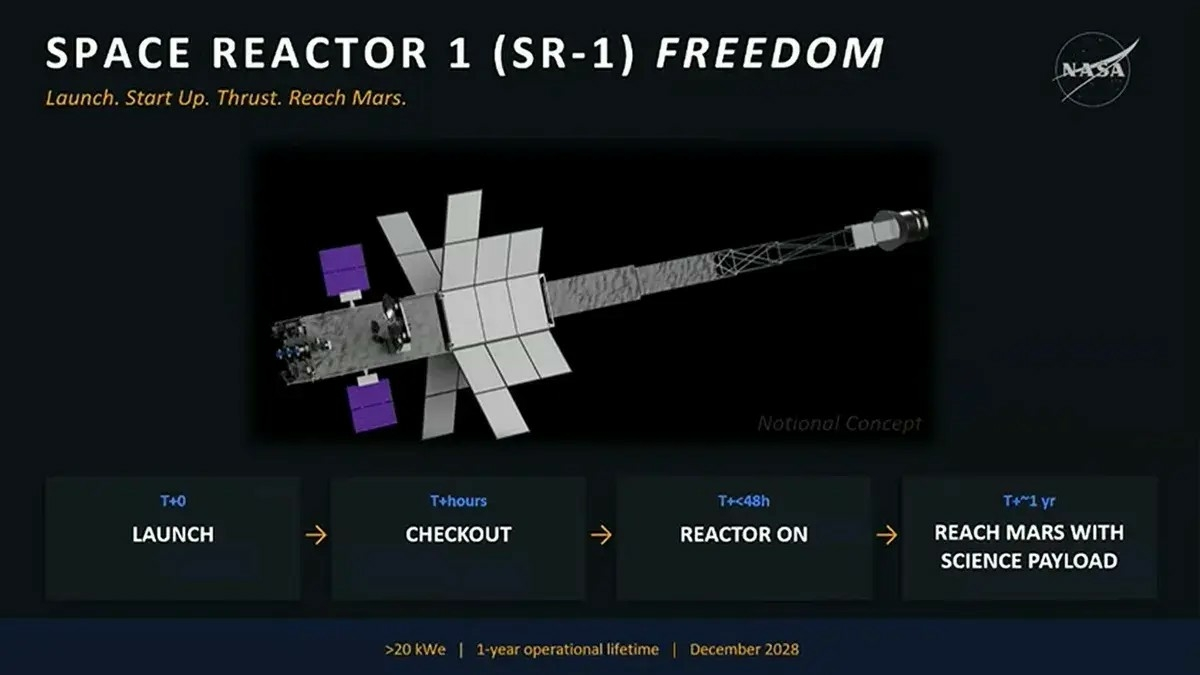
In a recent update, NASA confirmed plans to launch "Space Reactor-1 Freedom" by late 2028. This demonstration mission will test a uranium-based nuclear reactor in deep space, using the generated heat to power advanced propulsion systems. This move signals a strategic shift toward nuclear thermal propulsion to reduce transit times for future crewed Mars missions, addressing one of the key logistical hurdles in deep space exploration.
Local view
French outlet Journal du Web emphasizes the national significance of the IDEFIX mission, highlighting CNES's role in leading the European effort to explore Phobos. The coverage frames the October launch as a pivotal moment for French planetary science, showcasing the successful international cooperation with Germany (DLR) and Japan (JAXA).
Additionally, Euronews notes that the BepiColombo mission's upcoming maneuvers are being closely watched across Europe, with ESA officials stressing the technical precision required for the orbiter separation.
Context & numbers
The Roman Space Telescope is progressing toward its scheduled launch on August 30, 2026, at 7:26 a.m. ET, marking a major milestone for NASA's infrared astronomy capabilities.
The Psyche mission successfully completed its Mars gravity assist flyby in May 2026, coming within 4,609 kilometers of the surface to boost its velocity toward the metal-rich asteroid Psyche.
On the radar
- October 19, 2026: Launch of the IDEFIX rover to Phobos aboard an H3 rocket.
- Late 2028: Planned launch of NASA's Space Reactor-1 Freedom nuclear demonstration mission.
- September 2, 2016 Anniversary: Today marks 10 years since ESA located the Philae lander on Comet 67P, a reminder of historic comet exploration milestones.
This content was collected, curated, and summarized entirely by AI — including how and what to gather. It may contain inaccuracies. Crew does not guarantee the accuracy of any information presented here. Always verify facts on your own before acting on them. Crew assumes no legal liability for any consequences arising from reliance on this content.
Powered by
