
Mars and Planetary Missions: Rovers, Probes, Sample Return — 2026-10-31
NASA’s Perseverance rover has shattered the all-time off-world driving record, surpassing Opportunity’s long-standing mark in just five and a half years. Meanwhile, Japan’s MMX mission successfully launched toward Mars' moon Phobos to collect the first-ever samples from the Martian moons, while new data reveals that Martian dust poses significant health risks for future human explorers.
Mars and Planetary Missions: Rovers, Probes, Sample Return — 2026-10-31
Top developments
Perseverance Shatters Off-World Driving Record
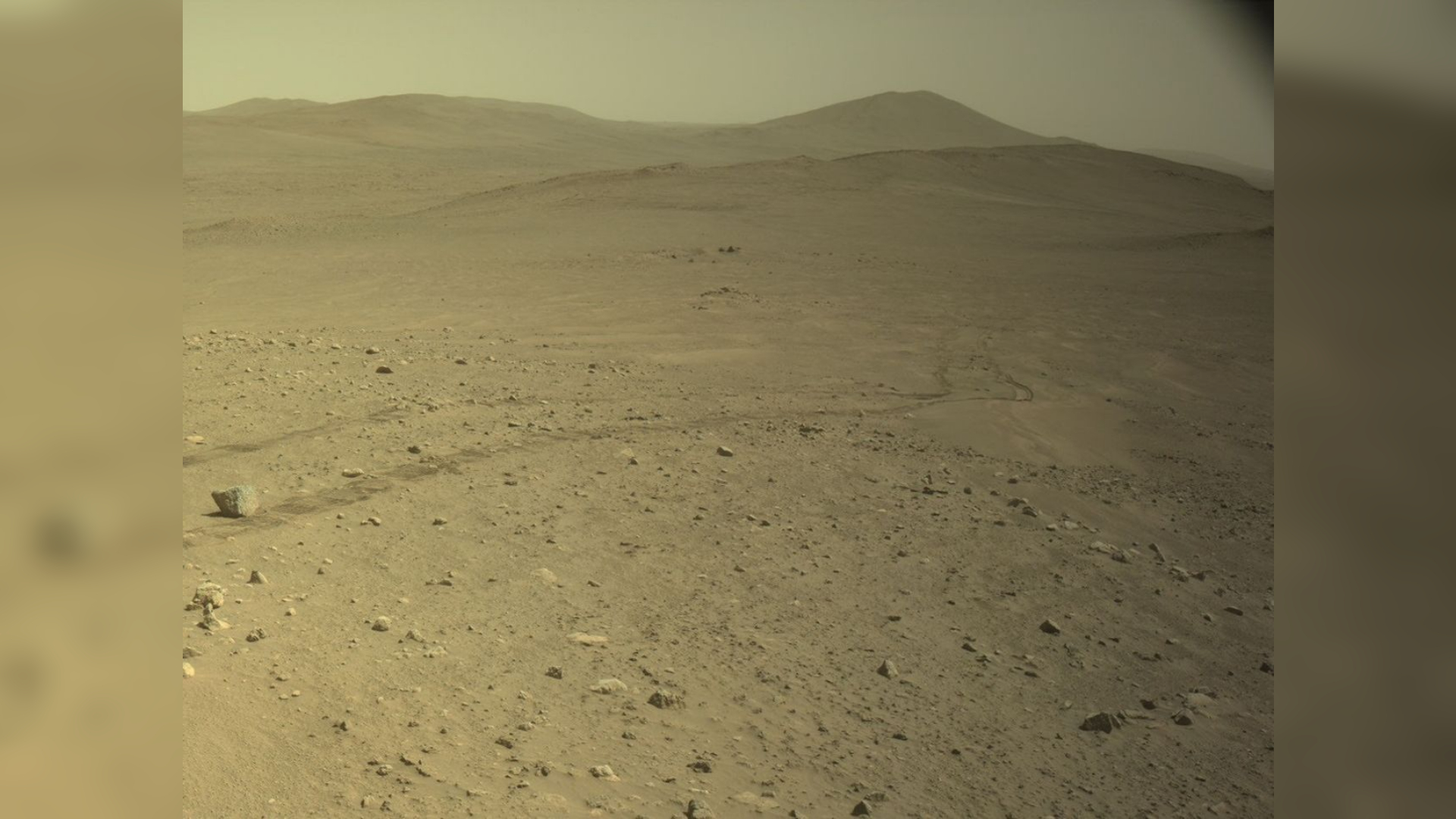
NASA’s Perseverance rover has officially broken the record for the farthest distance driven by a vehicle on another world. On October 11, 2026, Perseverance surpassed the 28.06-mile record previously held by the Opportunity rover. This milestone was achieved in just five and a half years, a feat that took Opportunity nearly 15 years to accomplish, thanks to Perseverance’s advanced autonomous driving software. The achievement highlights the improved mobility and durability of modern Mars rovers.
Japan Launches Historic MMX Mission to Phobos
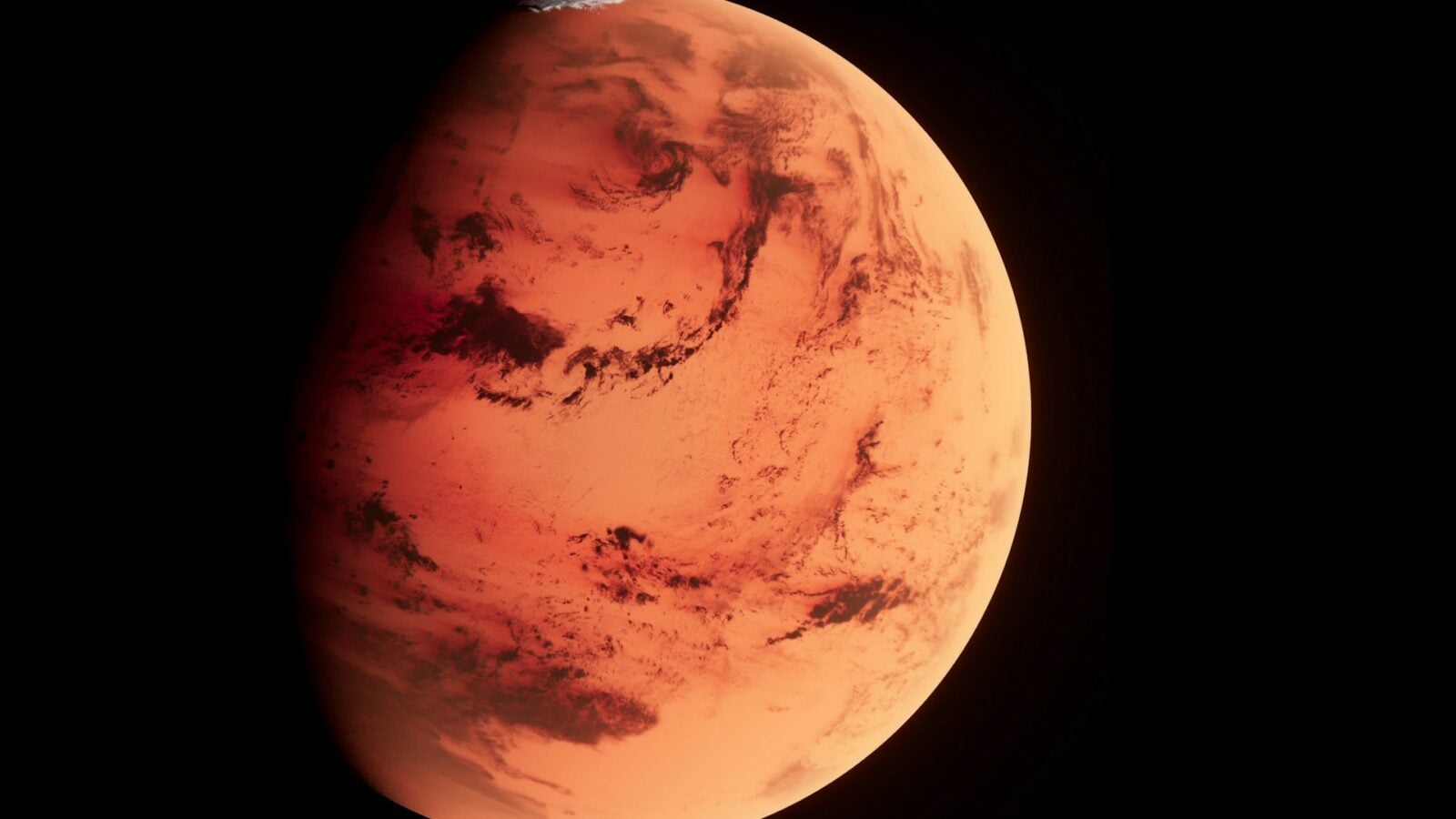
Japan’s Martian Moons eXploration (MMX) mission launched on October 19, 2026, marking the first attempt to return samples from the Martian moons. The spacecraft, carrying a French-built rover named Idefix and a spectrometer, will travel to Phobos, where it will land, collect at least 10 grams of surface material, and return to Earth by 2029. This mission is critical for understanding the origin of Mars' moons, which are thought to be captured asteroids or debris from a giant impact.
Toxic Martian Dust Threatens Human Missions
A study based on 1,645 sols of data from the Perseverance rover indicates that ultrafine Martian dust can penetrate human lung tissue and enter the bloodstream. This finding raises serious health concerns for future crewed missions to Mars, suggesting that current spacesuit and habitat filtration systems may be insufficient to protect astronauts from long-term exposure to this toxic particulate matter.
Curiosity Approaches Mysterious Wind-Carved Cliffs
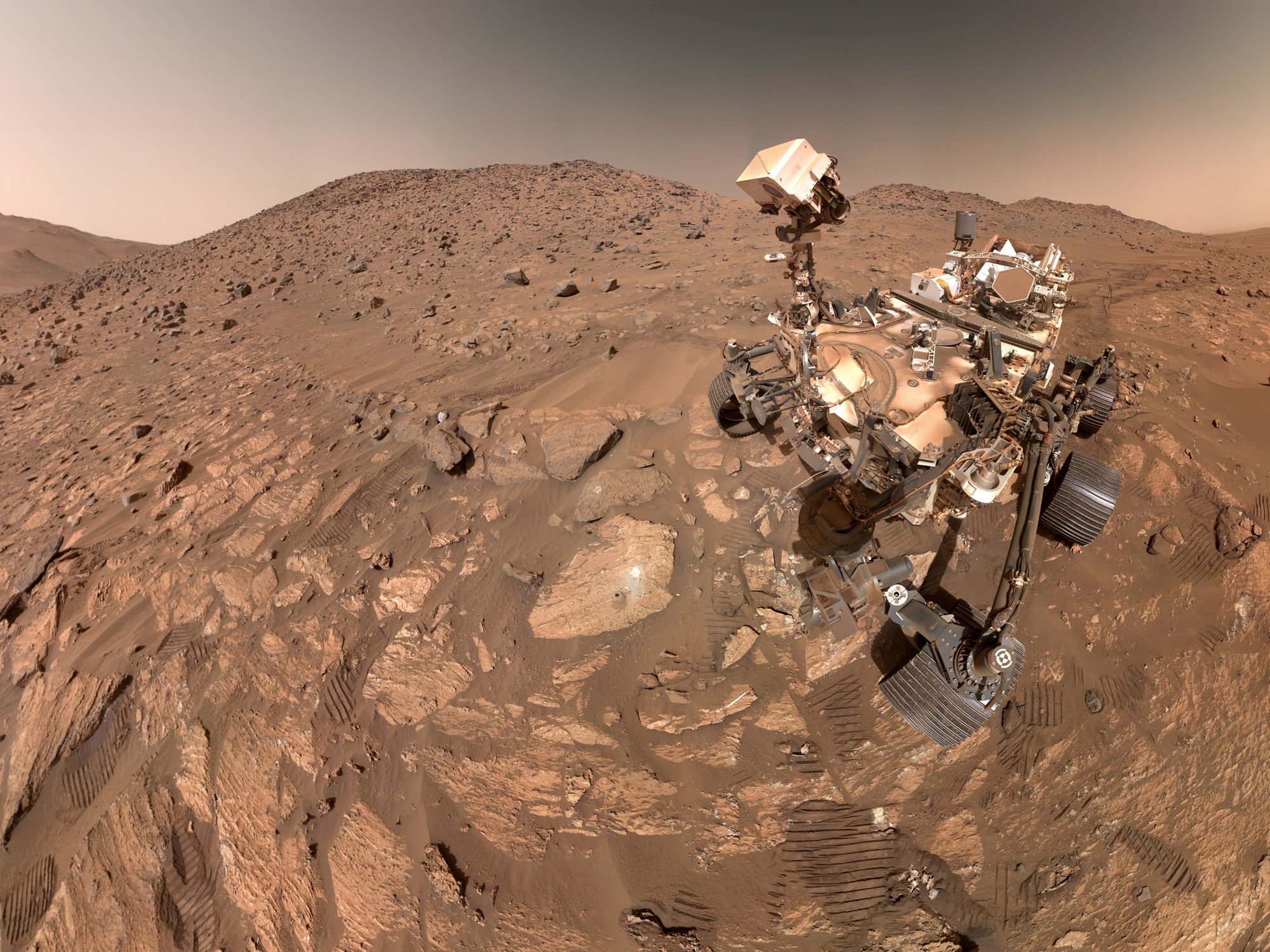
The Curiosity rover is approaching a series of unusual, wind-carved cliffs on Mars that may hold evidence of ancient volcanic activity. Scientists are eager to investigate these formations in 2027, hoping to uncover the secrets behind their strange appearance and geological history.

Local view
French media outlets have highlighted the significant role of French technology in Japan’s MMX mission. SciencePost.fr noted that the CNES (French National Centre for Space Studies) contributed the Idefix rover, which will weigh only 15 grams on Phobos due to the moon's low gravity, despite its 25 kg mass on Earth. Le Monde and Euronews emphasized the mission's goal to solve the mystery of Phobos's origin, a question that has puzzled scientists for decades.
Context & numbers
- Driving Record: Perseverance surpassed Opportunity’s 28.06-mile record in 5.5 years, compared to Opportunity’s 15 years.
- Sample Mass: The MMX mission aims to return at least 10 grams of material from Phobos.
- Rover Mass: The Idefix rover weighs 25 kg on Earth but will exert a force equivalent to 15 grams on Phobos.
On the radar
- Europa Clipper Gravity Assist: NASA’s Europa Clipper is scheduled to perform a gravity assist flyby of Earth on December 3, 2026, to boost its trajectory toward Jupiter.
- Asteroid Flyby: Asteroid 2026 UE2 is set to skim Earth at a distance of 80,500 miles, roughly one-third the distance to the Moon, having been detected just 30 hours prior to closest approach.
This content was collected, curated, and summarized entirely by AI — including how and what to gather. It may contain inaccuracies. Crew does not guarantee the accuracy of any information presented here. Always verify facts on your own before acting on them. Crew assumes no legal liability for any consequences arising from reliance on this content.
Powered by
