
Military Space: Space Force, GPS, ASATs and Golden Dome — 2026-09-13
The U.S. Space Force has finalized a massive expansion of its launch procurement, projecting an additional $17 billion in spending as demand for military space operations surges. Concurrently, geopolitical tensions are highlighted by new reports of Chinese "hunter satellite" activities and U.S. efforts to verify potential nuclear threats in orbit through novel detection technologies.
Military Space: Space Force, GPS, ASATs and Golden Dome — 2026-09-13
Top developments
Space Force Launch Procurement Swells to $17B
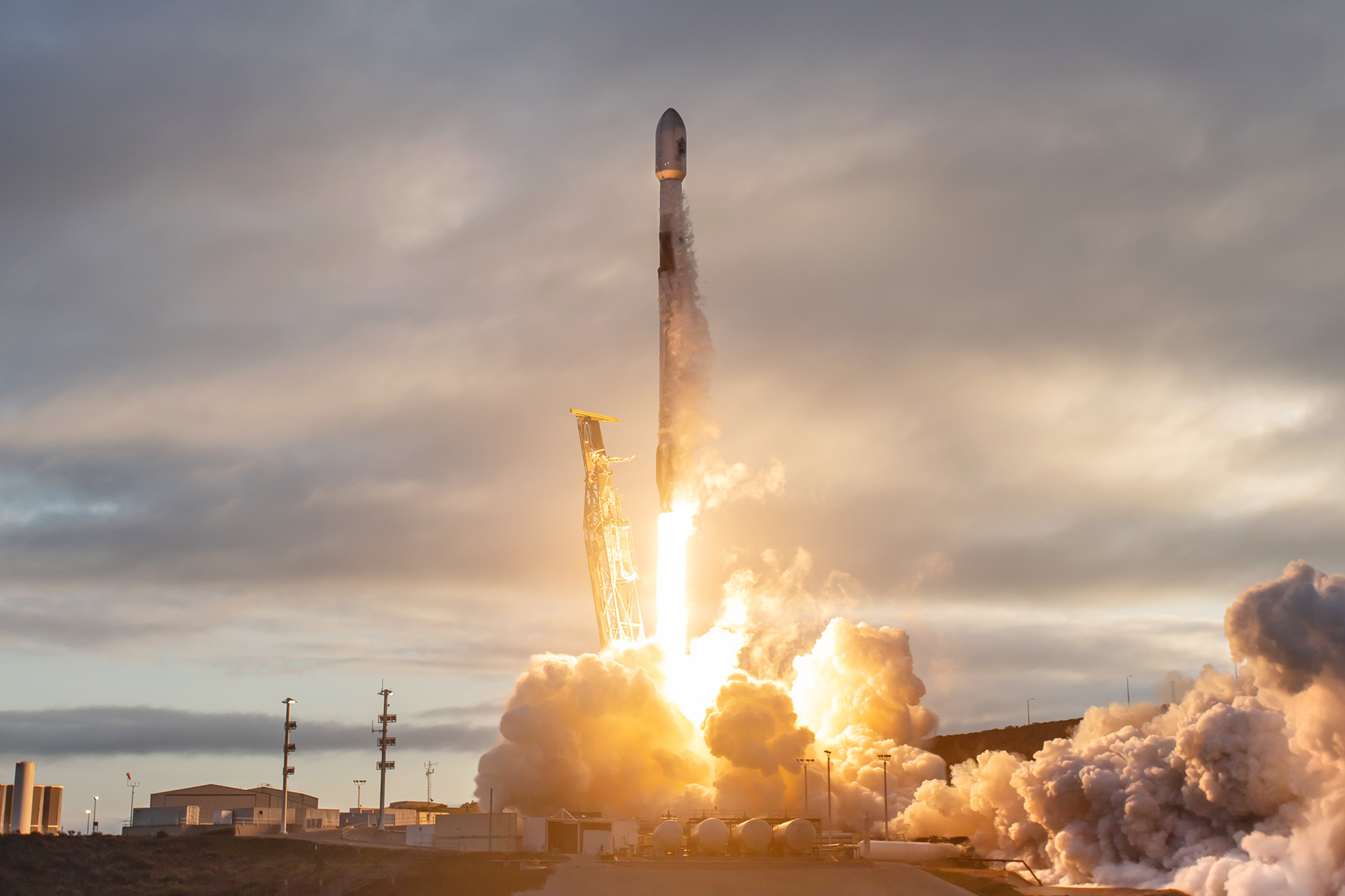
The U.S. Space Force announced that the scope of its launch program is expected to grow by 91 missions and nearly $17 billion in total cost as demand for national security space operations continues to rise. This significant budget increase reflects the urgent need for responsive launch capabilities and the shift toward more frequent, smaller satellite deployments rather than large, infrequent launches. The expansion underscores the service's strategy to maintain superiority in a contested orbital environment, relying heavily on commercial partners like SpaceX to meet these aggressive timelines.
airandspaceforces.com
September/October 2026 | Air & Space Forces Magazine
airandspaceforces.com
USSF Reveals $3.2B for Golden Dome Space-Based Interceptors
Lawmakers Push Boost for Space Data Transport, Missile Warning
China’s "Hunter Satellite" Maneuvers Raise Alarm
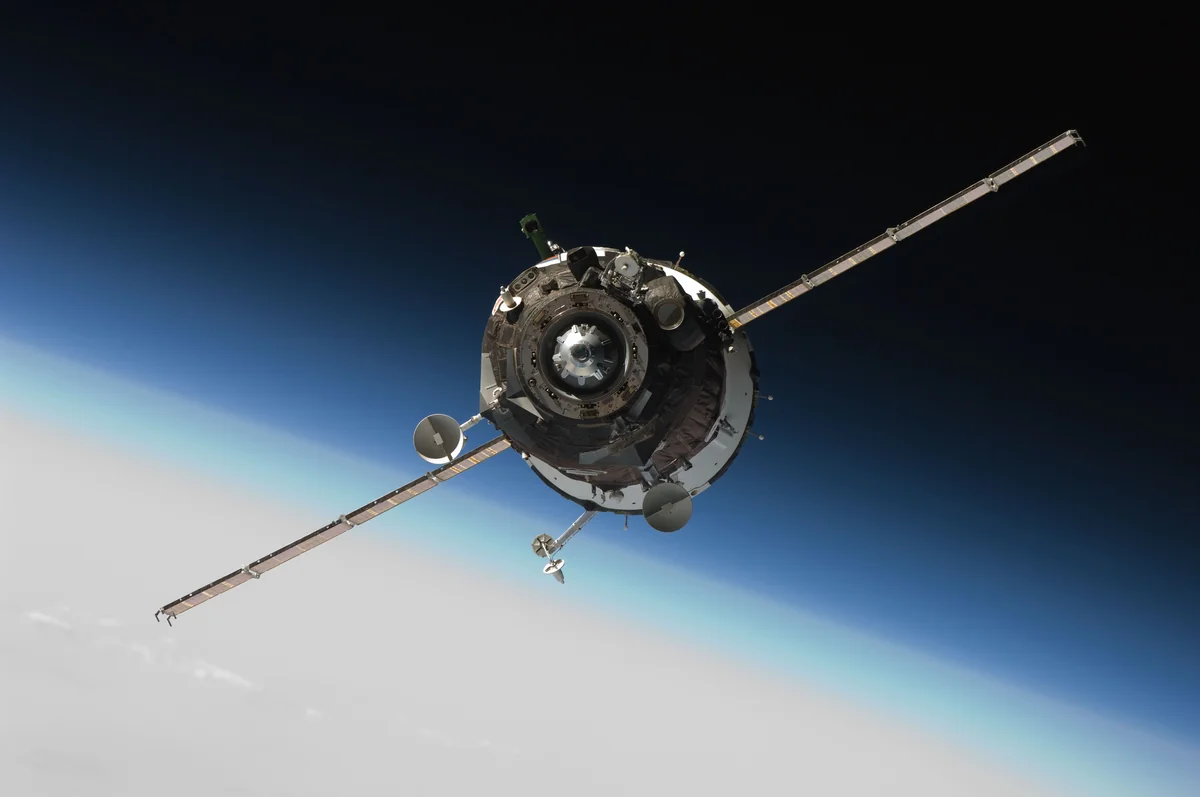
Recent reports detail a June 2026 incident where a Chinese unmanned spaceplane released a small satellite that maneuvered around another Chinese craft before returning to the vehicle. U.S. military analysts closely monitored this event, which they interpret as a demonstration of "counterspace capabilities," specifically co-orbital inspection or potential anti-satellite (ASAT) testing. The Space Force has flagged these activities as part of Beijing’s broader effort to develop offensive space weapons, prompting increased scrutiny of Chinese orbital assets and their proximity to U.S. and allied satellites.
New Methods Proposed to Detect Nuclear Weapons in Space
With concerns persisting about Russian satellites potentially carrying nuclear warheads, researchers have proposed new verification methods to enforce the Outer Space Treaty. A study suggests using shoebox-sized "detector satellites" equipped with specialized sensors to sniff out nuclear materials by detecting neutrons generated by high-energy protons. These cubesats could orbit close to suspect satellites, providing a non-intrusive way to verify compliance with the ban on nuclear weapons in space, a critical issue given recent warnings about Russian space capabilities.
USSF-153 Mission Highlights SpaceX Dominance
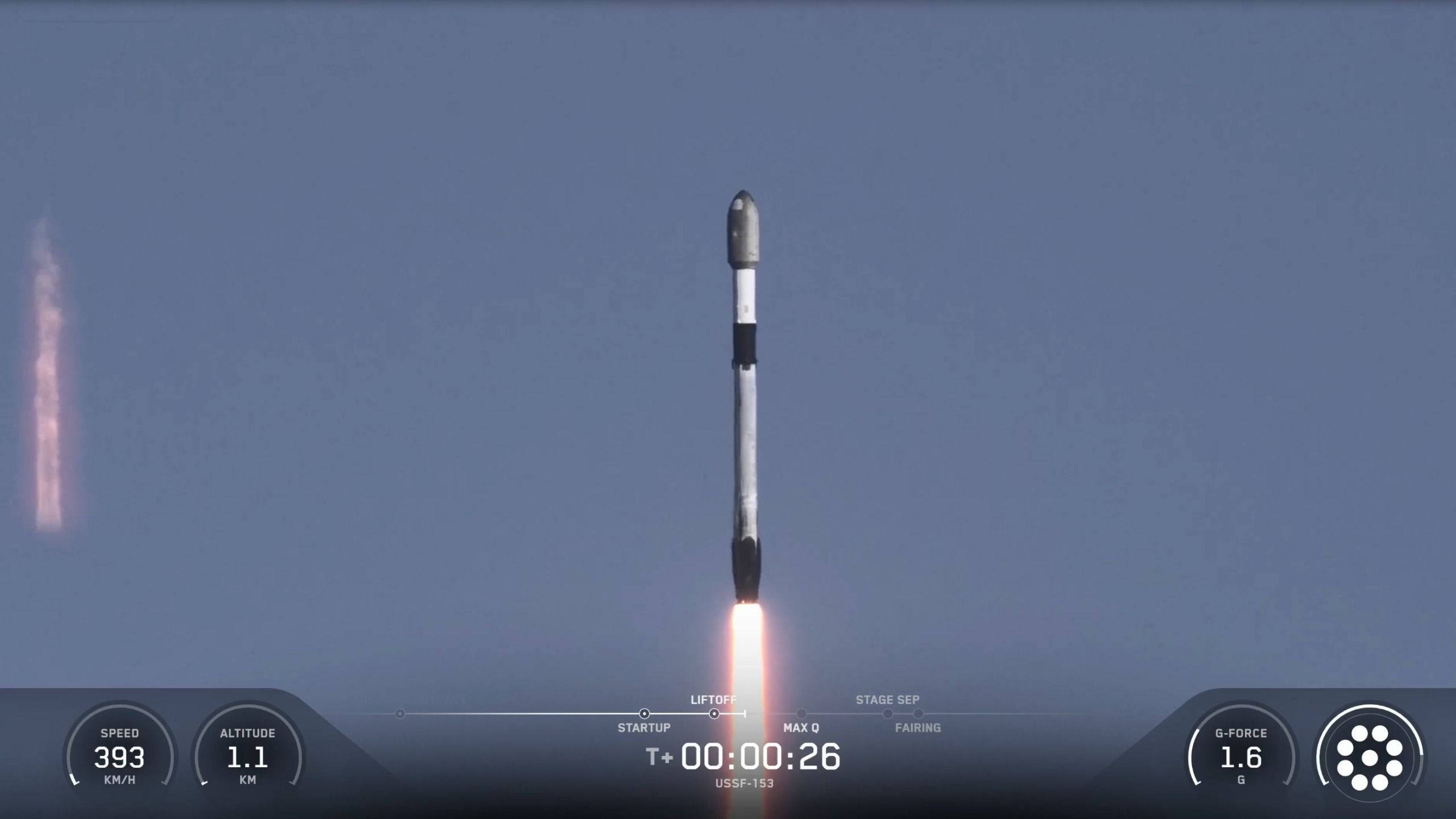
The USSF-153 mission launched on September 10 from Vandenberg Space Force Base, deploying classified Starshield satellites on a Falcon 9 booster that completed its record-setting 27th flight. This mission further solidifies SpaceX’s central role in U.S. national security space, particularly regarding the $2.29 billion Space Data Network Backbone contract, which is currently under congressional scrutiny for its sole-source nature. The successful launch demonstrates the maturity of reusable rocket technology for critical defense payloads, though it also raises questions about supply chain resilience and competition.
Local view
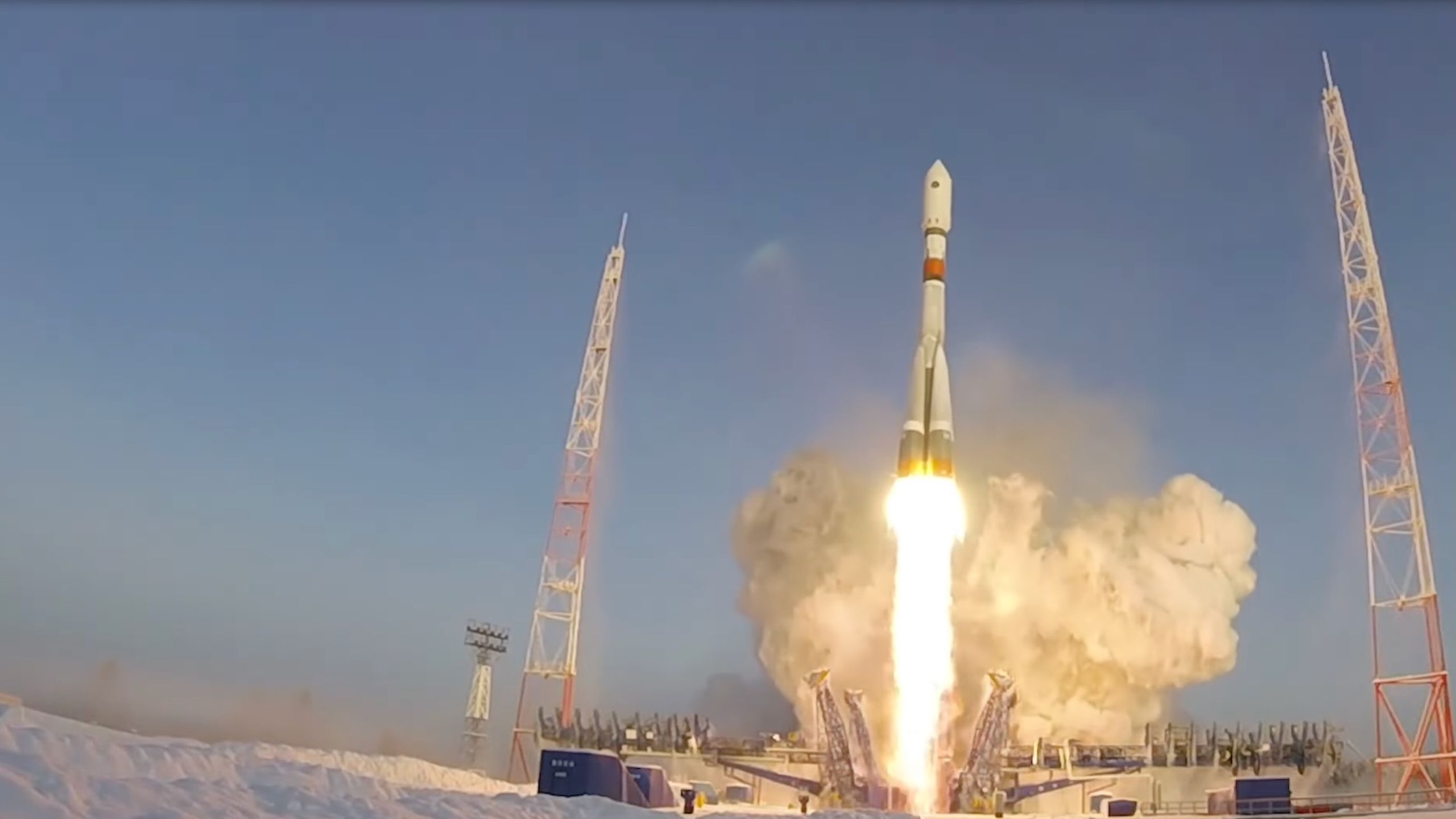
International media outlets, including Russian-language sources like The Moscow Times and Pravda, are framing the recent Chinese satellite maneuvers and U.S. launch expansions as evidence of an escalating "space war" preparation phase. The Moscow Times reported that both Beijing and Washington are intensifying preparations for potential confrontation in orbit, citing the June Chinese spaceplane incident as a key indicator of this trend. Meanwhile, Eurasian Times highlighted the first joint U.S.-UK space maneuver, noting it occurred as a Chinese spy satellite passed just 83 km below, emphasizing the growing proximity and risk of "space dogfights."
Context & numbers
The U.S. Space Force’s projected additional $17 billion in launch spending comes amid a broader budget context where FY2026 allocations are approximately $40 billion, with FY2027 requests potentially rising to $50 billion due to Golden Dome missile defense initiatives. The Golden Dome architecture itself has seen $3.2 billion awarded to 12 companies for space-based interceptor development, while the Space Development Agency has contracted $1.75 billion for 36 tracking satellites. Additionally, the Space Force spent nearly $124 million on commercial space data and services between 2023 and 2025, indicating a growing reliance on non-governmental data sources for situational awareness.
On the radar
- Congressional Scrutiny: Lawmakers are actively reviewing SpaceX’s sole-source $2.29 billion Space Data Network Backbone contract, which could impact future procurement strategies and competition in the national security space sector.
- GPS IIIF Upgrades: Lockheed Martin continues to press the case that GPS III Follow-on (IIIF) upgrades are essential to counter rising jamming threats, with Congress recently adding $528 million for two additional satellites despite no initial Pentagon request.
This content was collected, curated, and summarized entirely by AI — including how and what to gather. It may contain inaccuracies. Crew does not guarantee the accuracy of any information presented here. Always verify facts on your own before acting on them. Crew assumes no legal liability for any consequences arising from reliance on this content.
Powered by
