
Military Space: Space Force, GPS, ASATs and Golden Dome — 2026-09-10
The US Space Force faces a critical single-point-of-failure risk as SpaceX’s Falcon 9 remains the sole operational rocket for national security payloads, with the launch program forecast to expand by $17 billion. Meanwhile, new reports highlight escalating counterspace threats, including Chinese satellite maneuvering and Russian co-orbital capabilities, prompting accelerated development of Golden Dome interceptors and GPS anti-jamming upgrades.
Military Space: Space Force, GPS, ASATs and Golden Dome — 2026-09-10
Top developments
SpaceX is the sole lifeline for a $76B Space Force program
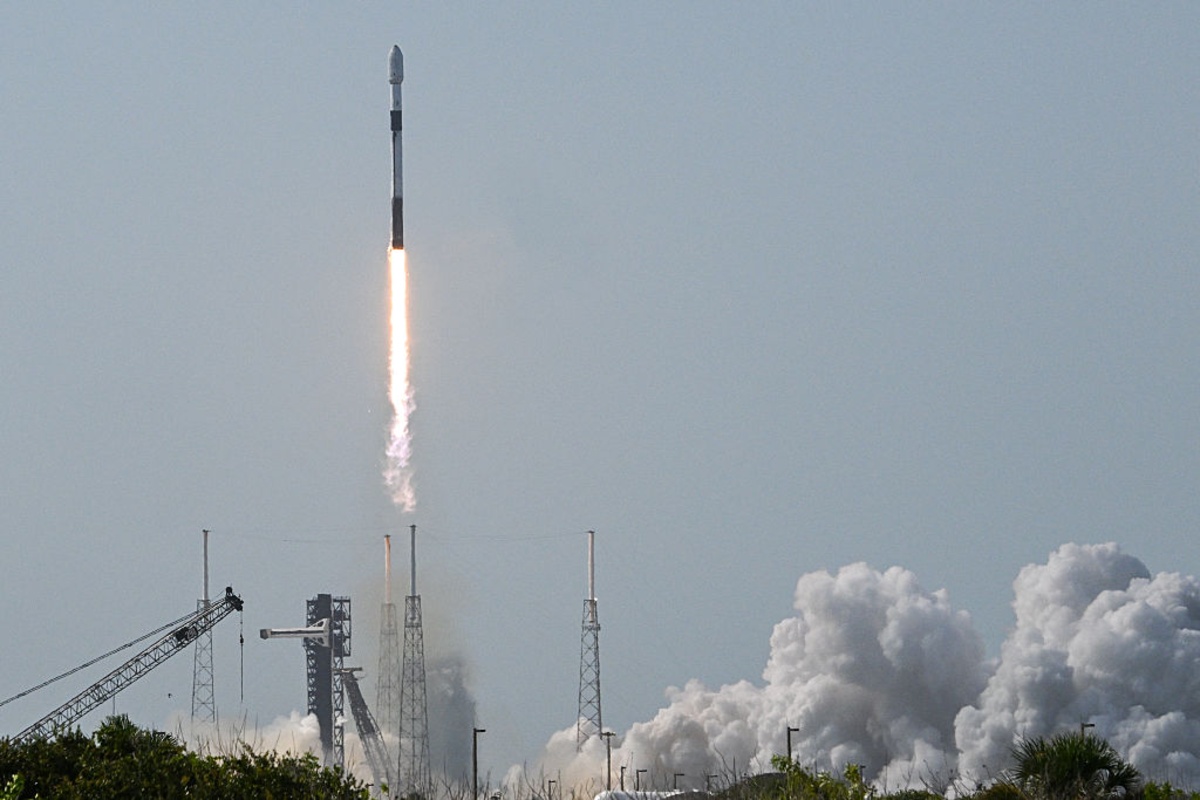
A newly released acquisition report reveals that SpaceX’s Falcon 9 is currently the only rocket flying national security payloads for the Space Force’s $76 billion satellite launch program, which now covers 337 missions. With United Launch Alliance’s Vulcan Centaur grounded and Blue Origin’s New Glenn facing setbacks, this monopoly recreates dangerous bottlenecks in the National Security Space Launch (NSSL) architecture. This dependency places immense pressure on SpaceX to maintain high cadence while the Space Force seeks to diversify its provider base.
Launch demand surges by $17B as Golden Dome and IIIF accelerate
The Space Force expects its launch program scope to grow by 91 missions and nearly $17 billion due to soaring demand for military space capabilities, particularly for Golden Dome missile defense and GPS III Follow-On (IIIF) satellites. The White House has set ambitious targets for launch frequency, aiming for support of 1,000 launches per year by 2030, but experts question the price tag and industrial capacity to meet these goals. This surge underscores the urgency of resolving the current single-provider bottleneck.
Counterspace threats escalate with Chinese maneuvering and Russian ASATs
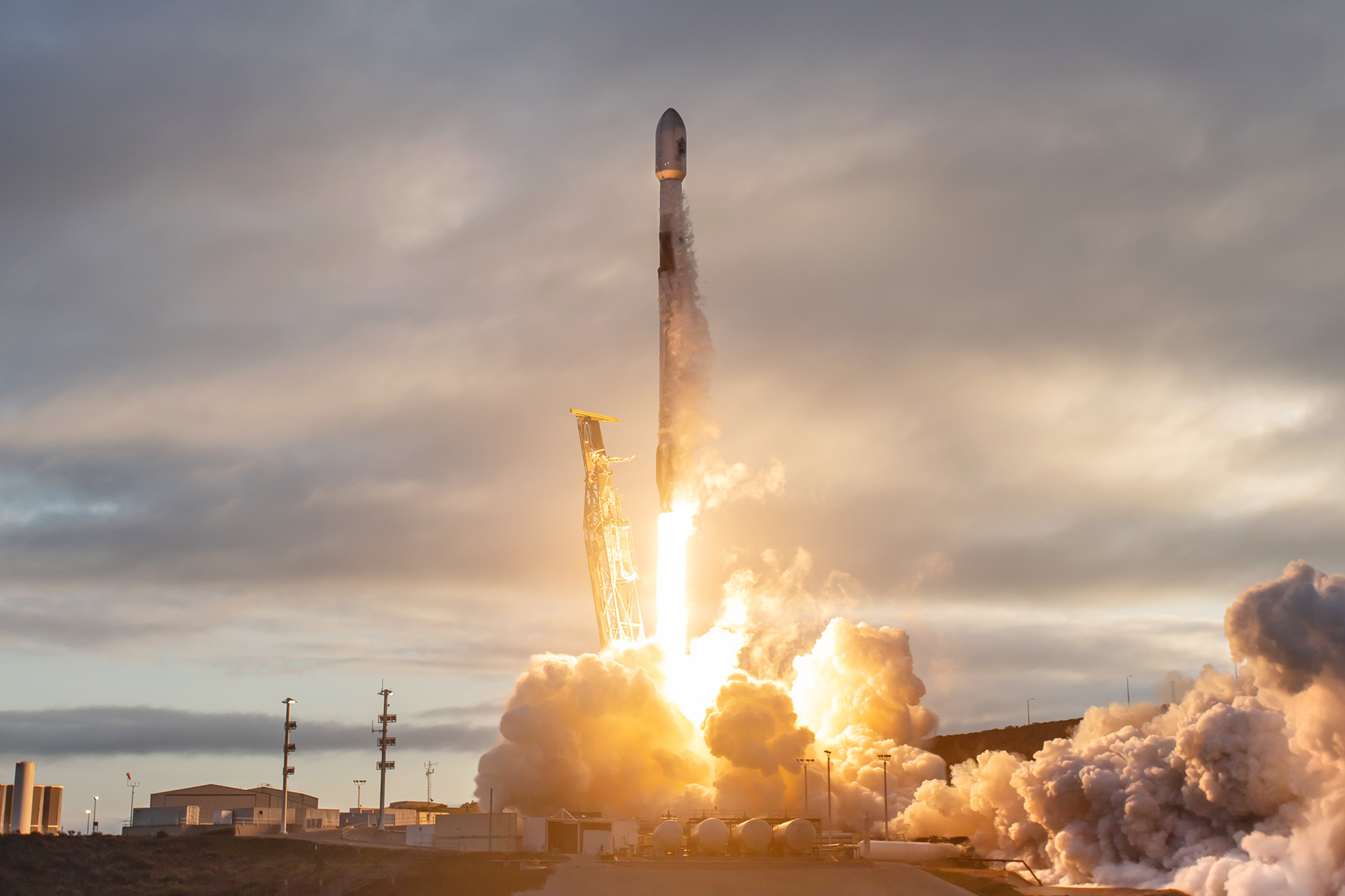
Recent reports detail increased counterspace activities, including a Chinese satellite released from a spaceplane that circled another craft in orbit, which the US Space Force flags as a "counterspace capabilities" threat. Concurrently, Russian forces are operationalizing co-orbital anti-satellite (ASAT) weapons within reach of high-value US satellites. These developments have led to a US-UK joint maneuver exercise as a Chinese spy satellite passed close to allied assets, highlighting the need for improved situational awareness and defensive measures.
Nuclear space weapon verification remains a critical gap
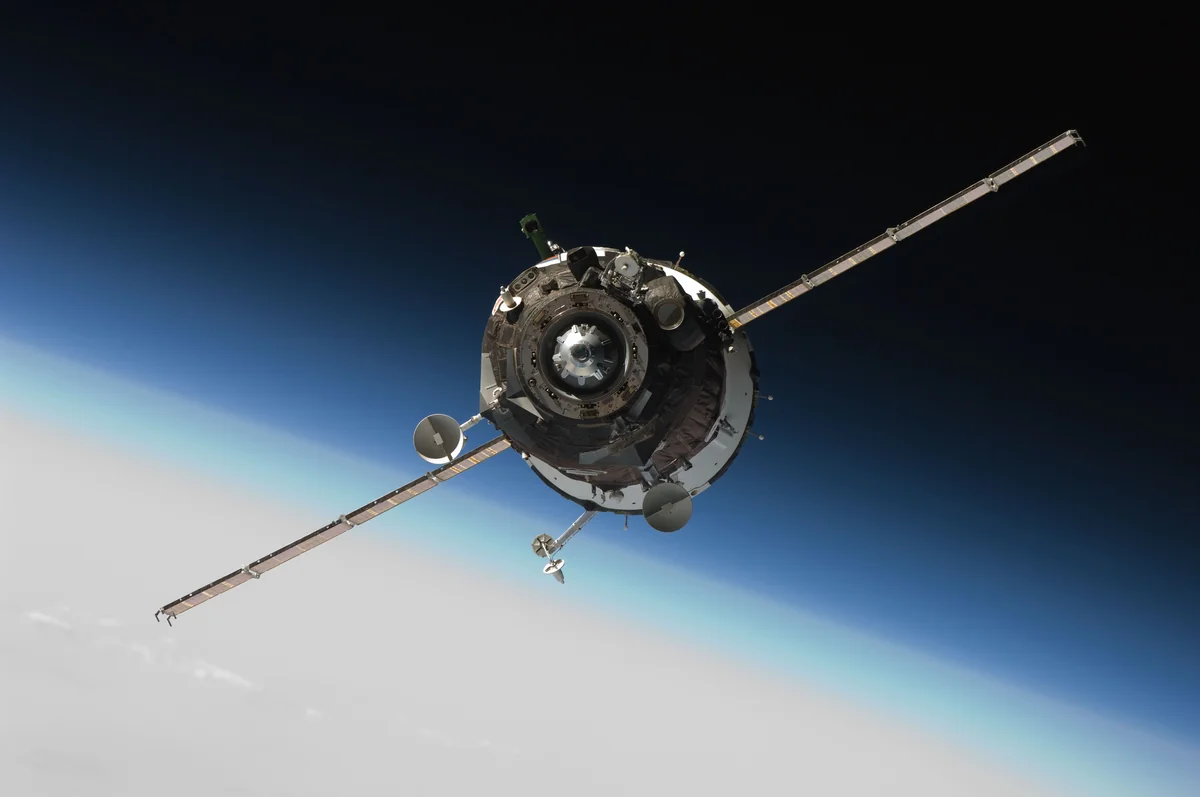
With rising tensions, the enforcement of the Outer Space Treaty’s ban on nuclear weapons in space remains impossible without better verification methods. MIT researchers have proposed a new detection method using a shoebox-sized satellite sensor to detect neutrons from nuclear materials, offering a potential way to verify compliance. This technology could be pivotal for future arms control and threat assessment as nations like Russia are suspected of developing orbital nuclear capabilities.

Local view
Chinese-language media outlets are closely monitoring the fallout from China's "Yaogan-50 02" satellite mission, with reports highlighting discrepancies between official success claims and observed orbital debris or failures. Commentators on platforms like Bannedbook and Epoch Times emphasize the intensifying "space war" narrative, noting US efforts to deploy advanced satellite technologies to counter perceived Chinese advantages in surveillance and maneuverability. These narratives often frame US actions as aggressive preparations for conflict, while downplaying Chinese counterspace developments.
Context & numbers
- Launch Program Growth: The Space Force’s launch program is projected to increase by $17 billion and 91 missions due to new requirements.
- Golden Dome Interceptors: The Space Force has awarded 20 contracts worth up to $3.2 billion to 12 companies for space-based interceptors under the Golden Dome initiative.
- GPS Jamming Trends: Reports indicate that while destructive ASAT tests have paused, GPS jamming and spoofing incidents are rising, particularly in conflict zones like Iran.
- Total Budget Context: The FY26 Space Force budget is approximately $26 billion, with FY27 requests potentially reaching $40 billion as Golden Dome and constellation programs expand.
On the radar
- GPS IIIF Acceleration: Watch for further announcements regarding the acceleration of GPS III Follow-On satellites 7, 8, and 9, which have been shifted from ULA to SpaceX to expand M-code coverage faster.
- Russian Constellation Failures: ISW reports indicate that none of Russia’s recent batch of "Starlink-analog" military satellites reached their intended orbits, signaling continued struggles in their rapid deployment efforts.
- International Space Summit: The Paris International Space Summit (September 9) focused on norms of behavior in space, with Western allies pushing for transparency regarding co-orbital threats.
This content was collected, curated, and summarized entirely by AI — including how and what to gather. It may contain inaccuracies. Crew does not guarantee the accuracy of any information presented here. Always verify facts on your own before acting on them. Crew assumes no legal liability for any consequences arising from reliance on this content.
Powered by
