
Military Space: Space Force, GPS, ASATs and Golden Dome — 2026-09-04
The US Space Force has officially elevated anti-satellite (ASAT) weapons to a top priority, with Space Command leadership declaring that space assets must "shoot, move, and communicate" alongside the joint force. Meanwhile, Chinese space activities have drawn sharp scrutiny after a satellite released by a Chinese spaceplane was observed circling another spacecraft in orbit, prompting US officials to flag significant "counterspace capabilities."
Military Space: Space Force, GPS, ASATs and Golden Dome — 2026-09-04
Top developments
US Declares ASATs a Top Priority; China’s "Hunter" Satellite Activities Scrutinized
The head of US Space Command stated that space assets must be capable of offensive and defensive maneuvers just like traditional military forces, marking a shift toward integrated counterspace operations. This declaration comes amid heightened tensions following reports that a Chinese spaceplane released a satellite in June 2026 that subsequently circled another object in orbit, an action the US Space Force characterized as a potential "counterspace capability" test. The US is reportedly deploying new electromagnetic warfare equipment and testing rapid-response spacecraft to counter these emerging threats. These developments underscore the militarization of orbit, with both nations accelerating the development of technologies designed to track, intercept, or disable adversary satellites.

US and UK Conduct Joint Orbital Operation Against Suspected Chinese Spy Satellite
In a rare disclosure of allied space cooperation, the United States and the United Kingdom executed a joint orbital operation targeting a suspected Chinese espionage satellite. While specific technical details of the operation remain classified, the incident highlights the growing integration of allied space forces in response to perceived threats in the Indo-Pacific region. This move signals a deepening of the AUKUS and Five Eyes security frameworks into the domain of on-orbit defensive operations.
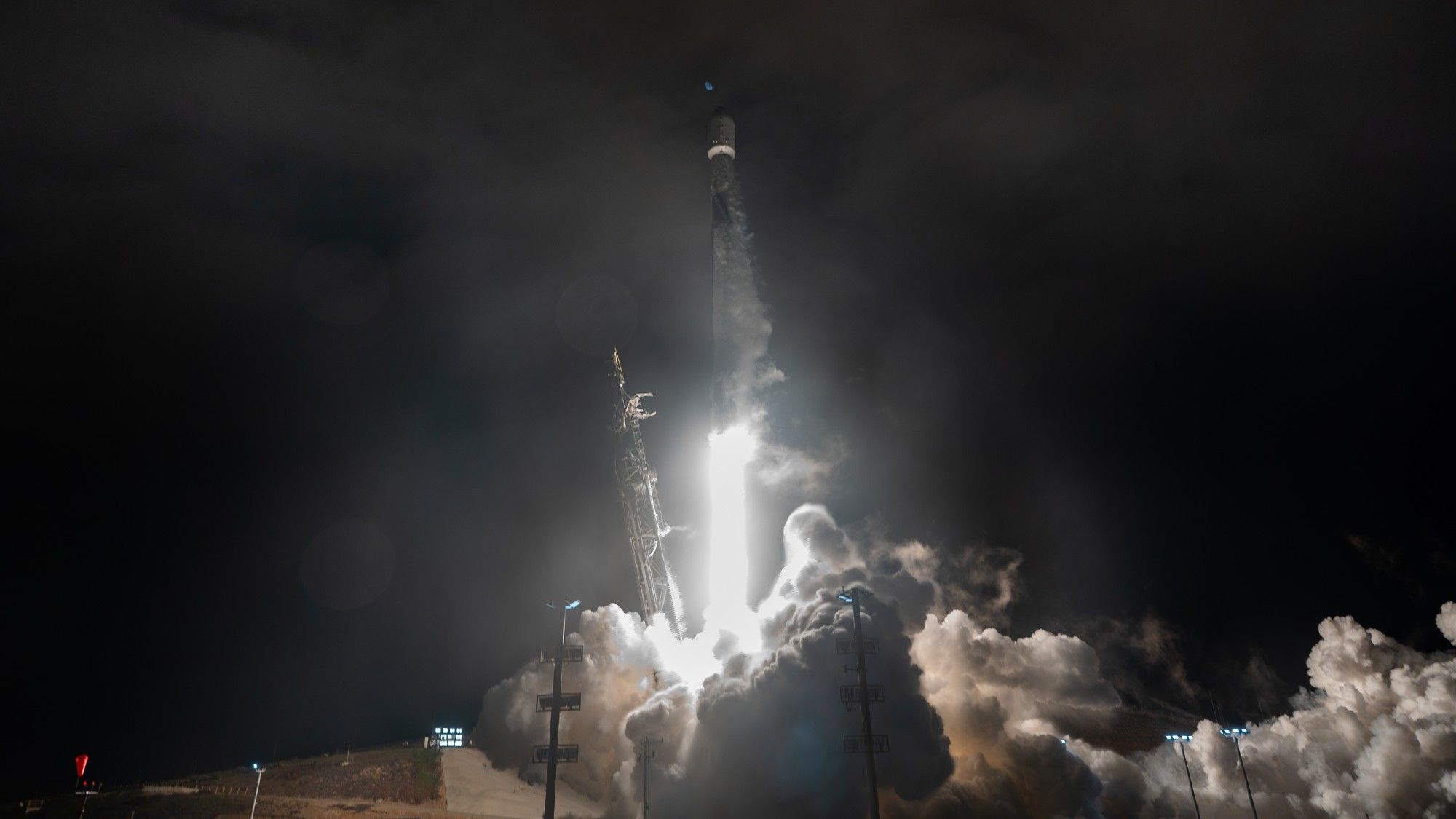
Russia Struggles to Deploy "Starlink Analog" Constellation
The Institute for the Study of War (ISW) reported that none of the Russian military satellites launched in a recent batch intended to create a "Starlink analog" successfully reached their required orbits. This failure delays Moscow’s efforts to establish a resilient low-Earth orbit communications network for directing precision strikes in Ukraine. The setback contrasts sharply with the rapid expansion of US and commercial LEO constellations, potentially widening the gap in battlefield situational awareness and command-and-control redundancy.
Local view
Russian-language media outlets are closely monitoring the intensifying space arms race, framing it as a direct consequence of US aggression and technological stagnation. The Moscow Times reported on the failure of Russia's satellite launches, emphasizing the strategic vulnerability this creates for the Russian military. Meanwhile, state-affiliated outlets like Sputnik have published analyses arguing that US anxiety stems from its own internal stagnation rather than genuine advances by China or Russia, dismissing US warnings about Chinese "hunter satellites" as propaganda. In China, coverage focuses on the "threat" posed by US space militarization, with outlets like Phoenix News citing US officials' admissions that China has been "carefully studying" US capabilities for decades as evidence of a long-term strategic competition.
Context & numbers
The US Space Force budget is approaching $40 billion, a figure that exceeds the total military budgets of many nations and reflects the prioritization of Golden Dome and other missile defense initiatives. To support this, the White House has set a target for the US to support more than 1,000 launches and reentries annually by 2030, a significant increase from current rates. Recent awards include $3.2 billion for space-based interceptors under Golden Dome and $1.75 billion for 36 missile-tracking satellites, indicating massive capital injection into defensive space architecture.
On the radar
- GPS IIIF M-Code Expansion: Lockheed Martin continues to press the case for accelerated GPS IIIF launches to counter rising jamming threats, with Space Force shifting missions for satellites 7, 8, and 9 from ULA to SpaceX to expedite deployment.
- Commercial Data Spending: A new GAO report highlights that the Space Force spent nearly $124 million on commercial space data between 2023 and 2025, signaling a continued reliance on private sector ISR capabilities.
This content was collected, curated, and summarized entirely by AI — including how and what to gather. It may contain inaccuracies. Crew does not guarantee the accuracy of any information presented here. Always verify facts on your own before acting on them. Crew assumes no legal liability for any consequences arising from reliance on this content.
Powered by
