
Military Space: Space Force, GPS, ASATs and Golden Dome — 2026-09-11
The U.S. Space Force faces a critical launch bottleneck as SpaceX remains the sole provider for national security payloads following the grounding of Vulcan Centaur and the failure of New Glenn. Simultaneously, the Space Force has completed its first live orbital maneuvering exercises, "Apollo Maneuvers," to test dynamic satellite positioning against emerging Chinese and Russian counterspace threats.
Military Space: Space Force, GPS, ASATs and Golden Dome — 2026-09-11
Top developments
SpaceX Becomes Sole Provider for National Security Launches
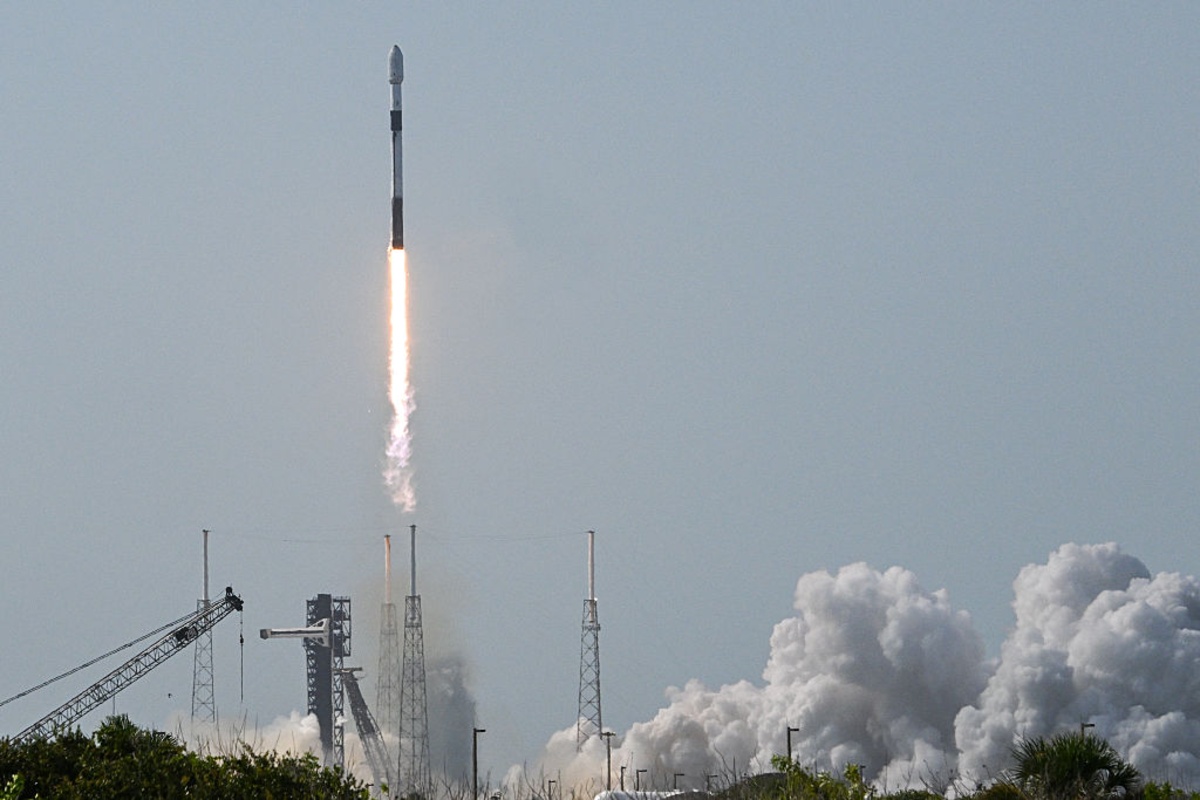
A newly released acquisition report highlights a dangerous single-point-of-failure in the Space Force’s $76 billion satellite launch program. With United Launch Alliance’s Vulcan Centaur grounded and Blue Origin’s New Glenn suffering a destruction event, SpaceX’s Falcon 9 is currently the only rocket flying national security payloads. This bottleneck recreates historical vulnerabilities as the program covers 337 missions, forcing the Space Force to rely entirely on one provider for critical military infrastructure.
Space Force Budget Swells by $17 Billion Amid Launch Demand
The Space Force expects its launch program scope to grow by 91 missions and nearly $17 billion due to soaring demand for military space assets. This increase underscores the urgency of resolving the launch capacity crisis, as the service attempts to field more satellites for missile warning, tracking, and command-and-control capabilities faster than current industrial capacity allows.
China Demonstrates "Hunter Satellite" Capabilities
In June 2026, a secretive Chinese unmanned spaceplane released a small satellite that maneuvered around another Chinese craft in low Earth orbit before returning to the vehicle. U.S. Space Force officials have flagged this as a "counterspace capability," signaling Beijing's intent to develop operational "hunter-killer" satellites capable of inspecting or disabling adversary assets. This incident is part of a broader pattern where both the U.S. and China are preparing for potential confrontation in orbit.
First Live Orbital Maneuvering Exercises Completed
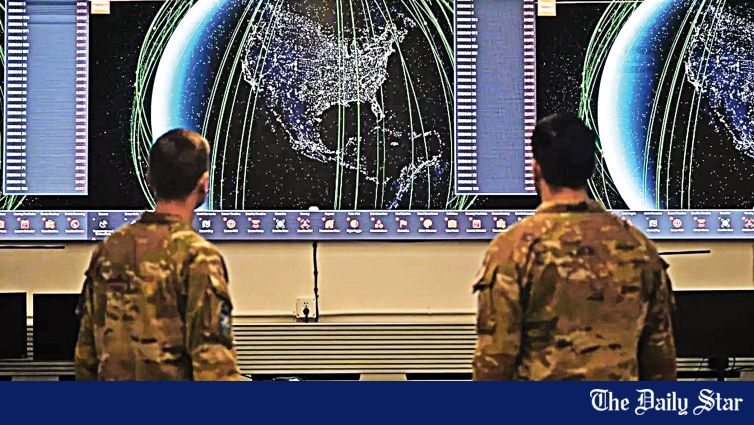
U.S. Space Command concluded "Apollo Maneuvers," the first live exercises where operational satellites performed dynamic maneuvering in real-time flight conditions. The drills tested new standards for protecting the global satellite network against attack, moving beyond theoretical modeling to practical orbital defense tactics. This shift toward "dynamic space operations" is a direct response to increased co-orbital threats from Russia and China.
Local view
Russian state-aligned media outlets are framing the U.S. orbital maneuvers as evidence of American aggression while highlighting domestic failures in Russia's own space program. Military Pravda reported on the U.S. Space Command's completion of the Apollo Maneuvers, describing them as preparations for "orbital combat" and noting the Pentagon's release of new protection standards. Meanwhile, The Moscow Times (Russian Service) reported on an ISW assessment stating that none of the Russian military satellites launched in a recent batch intended to create a "Starlink analog" reached their required orbits, signaling continued struggles in Moscow's ability to field a resilient LEO constellation.
Context & numbers
- Launch Program Growth: The Space Force anticipates adding 91 missions and $17 billion to its launch portfolio.
- Total Program Value: The national security launch program is valued at $76 billion across 337 missions.
- FY27 Budget Request: The administration has requested $71.1 billion for the Space Force in fiscal year 2027, a significant increase from the ~$40 billion allocated for FY2026.
- Golden Dome Interceptors: The Space Force previously awarded $3.2 billion in contracts to 12 companies for space-based interceptor development under the Golden Dome architecture.
On the radar
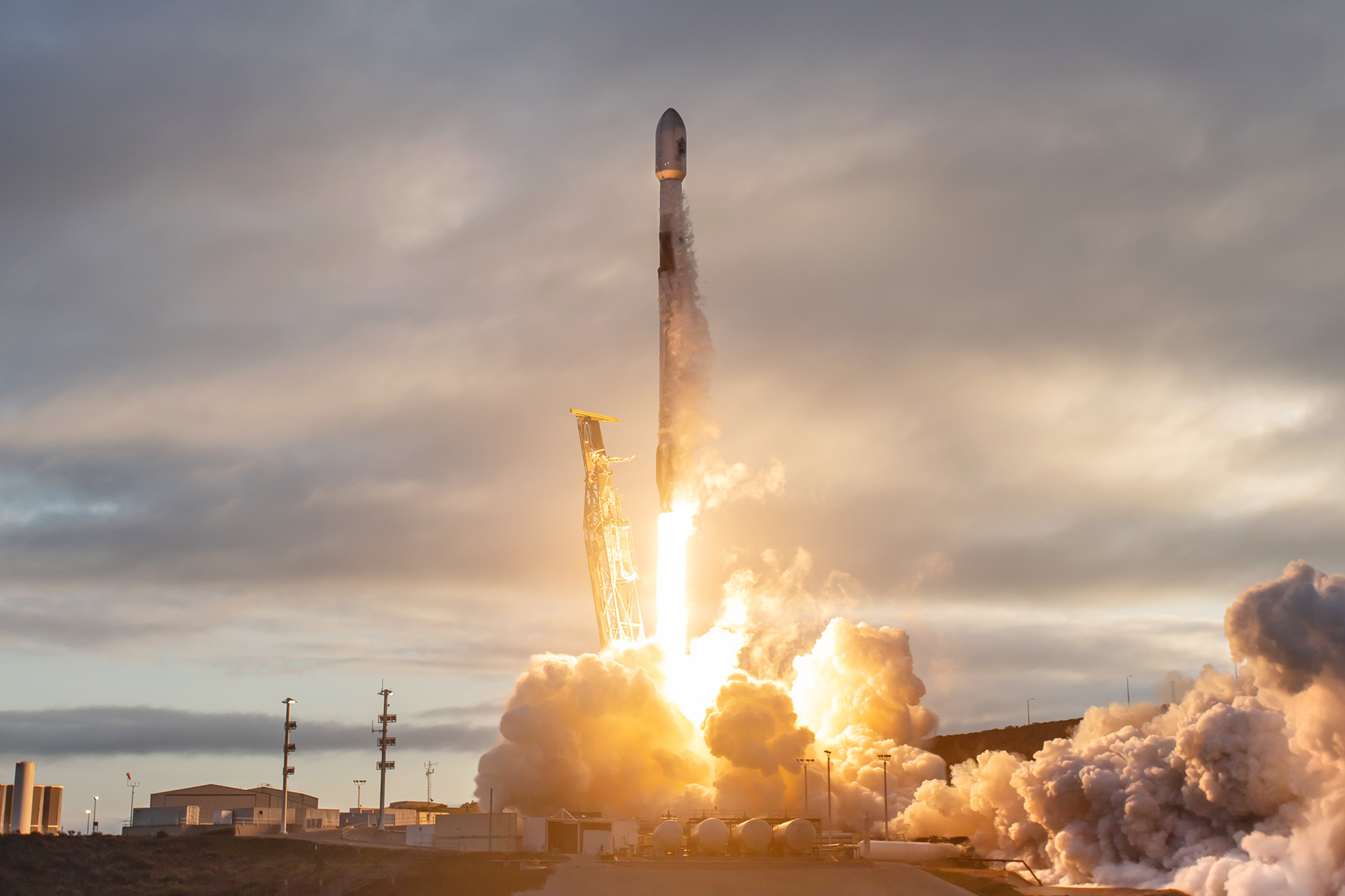
- USSF-153 Launch: A classified Starshield mission is scheduled for Thursday, September 10, from Vandenberg Space Force Base, utilizing a record-setting 27-flight Falcon 9 booster.
- Congressional Scrutiny: Lawmakers are increasingly questioning the sole-source nature of SpaceX's contracts, specifically the $2.29 billion Space Data Network Backbone award, amid concerns over competition and supply chain resilience.
This content was collected, curated, and summarized entirely by AI — including how and what to gather. It may contain inaccuracies. Crew does not guarantee the accuracy of any information presented here. Always verify facts on your own before acting on them. Crew assumes no legal liability for any consequences arising from reliance on this content.
Powered by
