
Military Space: Space Force, GPS, ASATs and Golden Dome — 2026-09-05
Gen. Douglas Schiess assumed command of the U.S. Space Force on September 3, inheriting a $71 billion FY2027 budget request aimed at countering China's expanding ISR satellite network. Simultaneously, a major Reuters investigation revealed escalating counter-space activities by both the U.S. and China, including the deployment of "hunter" satellites and electromagnetic warfare systems.
Military Space: Space Force, GPS, ASATs and Golden Dome — 2026-09-05
Top developments
New Space Force Chief Inherits $71B Budget and "Kill Chain" Threats
Gen. Douglas Schiess officially took command of the U.S. Space Force on September 3, 2026. He enters a service facing immediate pressure to counter China’s 510-plus ISR satellites, which are increasingly viewed as forming a "kill chain" for targeting U.S. Navy carriers. His primary challenge will be executing the record $71 billion FY2027 budget request, which heavily funds the Golden Dome missile defense architecture and space-based interceptors

Reuters Investigation Reveals US-China "Space Dogfight" Preparations
A comprehensive Reuters investigation published this week details how both the U.S. and China are actively preparing for space warfare through the development of "hunter" satellites and orbital weapons. The report highlights that in June 2026, a Chinese unmanned spaceplane released a small satellite that circled another spacecraft, demonstrating co-orbital maneuvering capabilities. In response, Washington has deployed new electromagnetic warfare equipment and is testing spacecraft designed to respond quickly to orbital threats
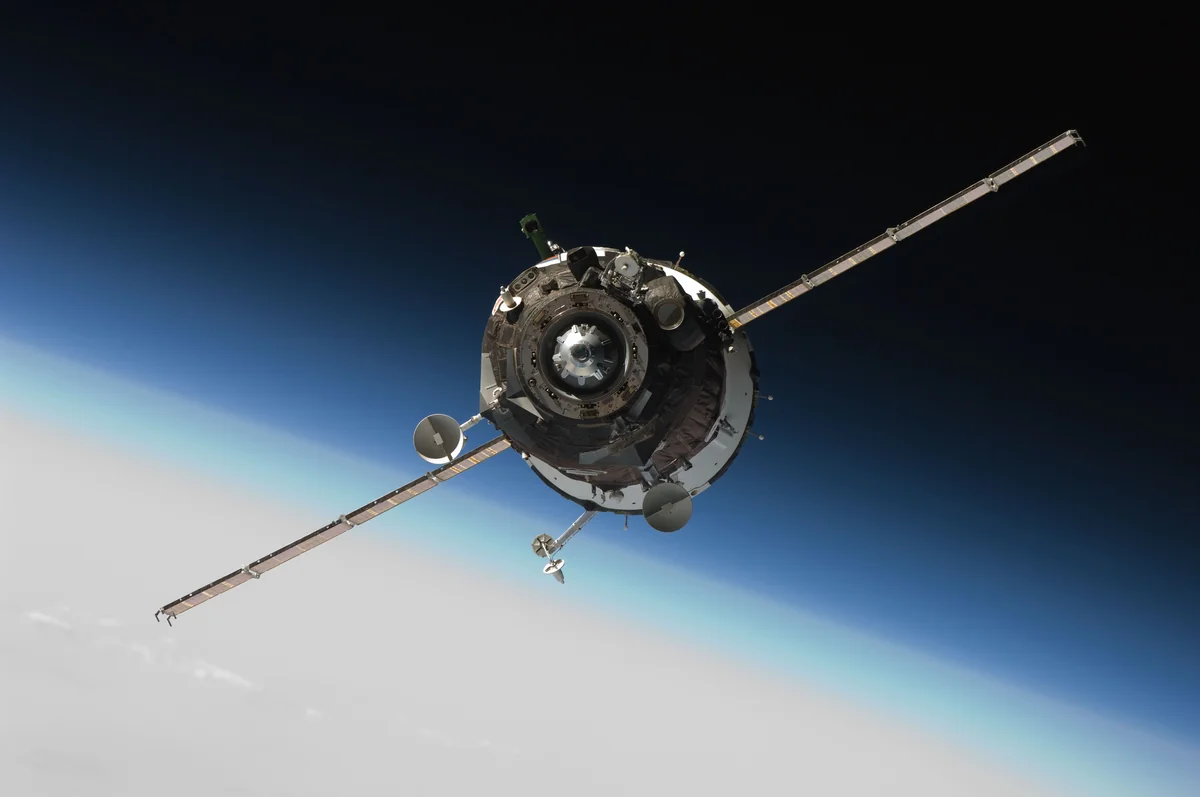
First Joint US-UK Maneuver Amid Chinese Satellite Proximity
The U.S. and UK conducted their first joint space maneuver, described as a "space dogfight," coinciding with reports that a Chinese spy satellite passed within 83 km of another asset. This exercise underscores growing concerns that China and Russia may be outpacing the West in dedicated offensive space-warfare capabilities, including direct-ascent anti-satellite missiles (DA-ASAT) and non-kinetic electronic warfare tools. The maneuver signals a shift toward more aggressive operational postures in orbit
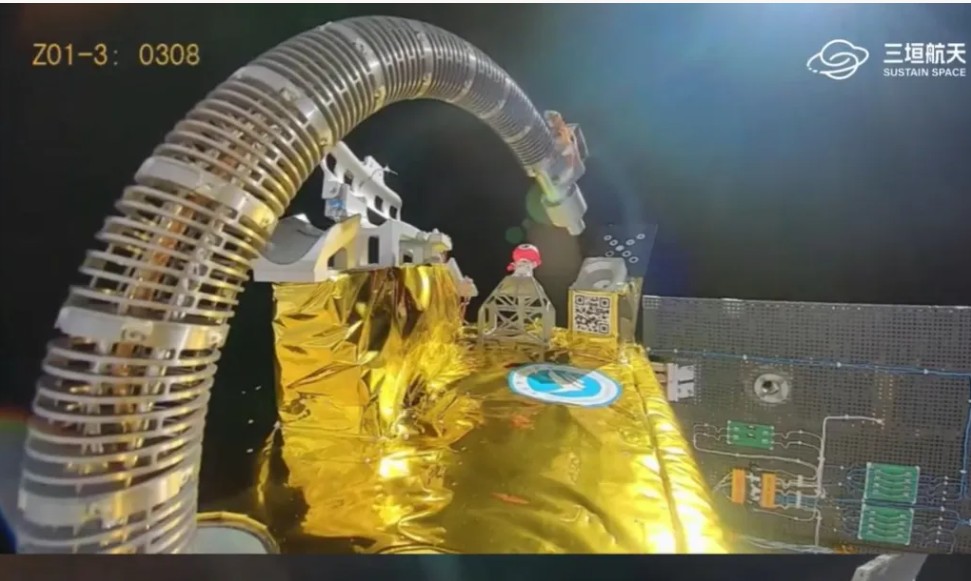
Space Force Exports Launch Lessons to Foreign Partners
The Space Force is moving to formalize the transfer of National Security Space Launch (NSSL) program lessons learned to international partners via Foreign Military Sales (FMS) cases. This initiative aims to streamline allied launch operations and integrate partner nations more closely into U.S. space infrastructure, potentially accelerating joint mission planning and reducing dependency on sole-source providers for allied missions
Local view
Epoch Times reported on September 2 that the U.S. is aggressively deploying satellite technologies to prepare for potential space warfare with China, emphasizing the critical role of space capabilities in modern military outcomes. The outlet highlighted the intense competition in space weapons, noting that the U.S. is developing countermeasures against China's growing arsenal
The Moscow Times (Russian service) covered the Reuters findings on September 2, framing the development of "hunter" satellites and orbital weapons as a new arena for confrontation between military powers. The report noted that both China and the U.S. are testing satellites specifically designed for armed conflict in space
Context & numbers
- FY2027 Budget Request: $71 billion, reflecting a significant increase driven by Golden Dome and counter-space initiatives
- Chinese ISR Satellites: Over 510 satellites currently in orbit, forming a persistent surveillance network targeting U.S. naval assets
- Golden Dome Interceptors: The Space Force has awarded 20 contracts worth up to $3.2 billion to 12 companies for space-based interceptor development
- Missile Tracking Satellites: The Space Development Agency awarded $1.75 billion in contracts for 36 Golden Dome missile tracking satellites
On the radar
- Golden Dome Implementation: Watch for further details on the integration of the $3.2 billion interceptor contracts into the broader Golden Dome architecture as Gen. Schiess settles into his role.
- GPS IIIF Upgrades: Congress previously added $528 million for two additional GPS III Follow-On (IIIF) satellites; monitor upcoming procurement actions as Lockheed Martin continues to press the case for jamming-resistant upgrades amid rising electronic warfare threats.
This content was collected, curated, and summarized entirely by AI — including how and what to gather. It may contain inaccuracies. Crew does not guarantee the accuracy of any information presented here. Always verify facts on your own before acting on them. Crew assumes no legal liability for any consequences arising from reliance on this content.
Powered by
