
Military Space: Space Force, GPS, ASATs and Golden Dome — 2026-10-24
Tensions in orbit have escalated dramatically this week following a Russian satellite maneuver that brought it within 100 feet of a U.S.-Finnish radar satellite, raising fears of the first kinetic space warfare incident. Concurrently, the U.S. Space Force is accelerating its infrastructure expansion, seeking a third launch range by 2030 and awarding contracts for new surveillance backup systems to support the Golden Dome missile defense initiative.
Military Space: Space Force, GPS, ASATs and Golden Dome — 2026-10-24
Top developments
Russian Satellite Maneuver Raises Kinetic Warfare Fears
The most significant security incident this week involved the Russian military satellite Cosmos 2612, which maneuvered dangerously close to the ICEYE-X36 satellite, a U.S.-registered commercial radar asset providing intelligence to Ukraine. Public tracking data indicates the Russian craft came within less than 100 feet (approximately 30 meters) of the target on Sunday, October 18. U.S. officials have described the behavior as consistent with testing or employing orbital weapons, marking a potential shift from passive espionage to active counter-space operations.

Space Force Seeks Third Launch Range by 2030
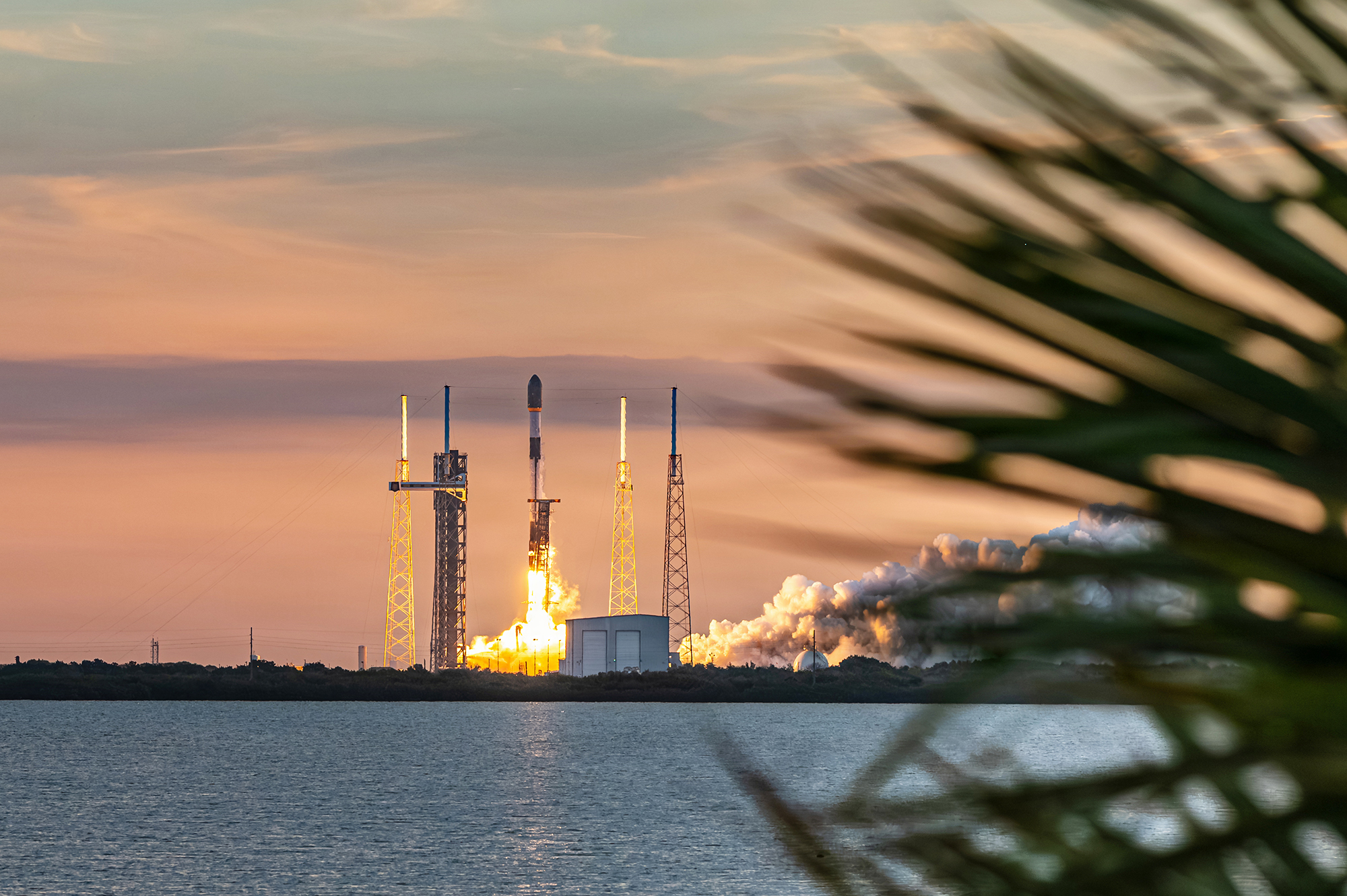
To meet the soaring demand for military launches driven by the Golden Dome architecture and proliferated satellite constellations, the Space Force’s top acquisition official announced the service needs a third launch range operational by 2030. Currently, the U.S. relies on Cape Canaveral and Vandenberg Space Force Base, a capacity that is becoming a bottleneck for the $71.1 billion FY27 budget request, which includes significant funding for new transport and interceptor satellites.
Space Force Taps Six Firms for Wartime Surveillance Backup
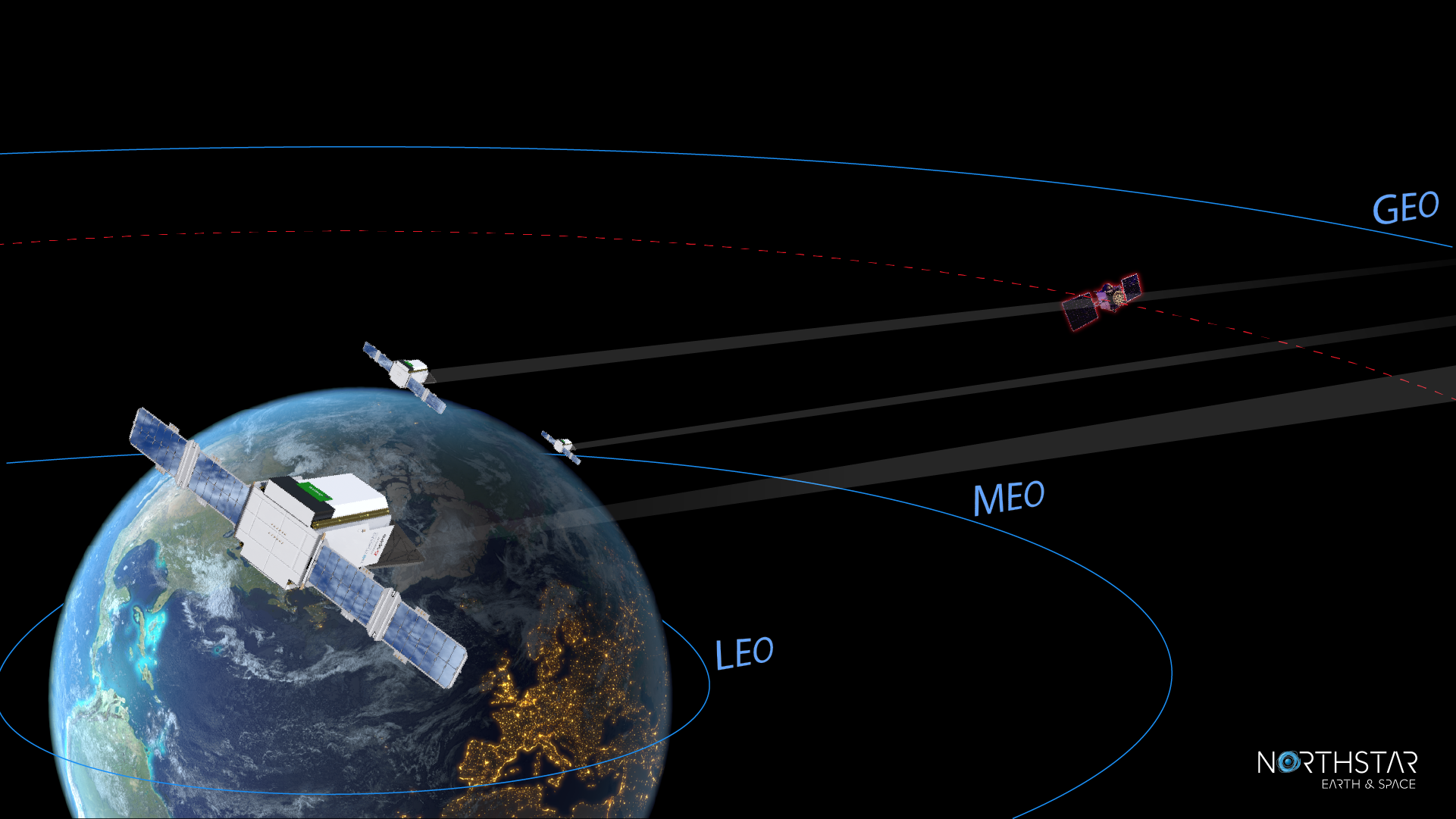
The Space Force has awarded contracts to six commercial companies to provide backup satellite surveillance capabilities, ensuring resilience in contested environments. This move supports the broader strategy of "enclave" connectivity, where diverse commercial and government assets relay critical data to warfighters if primary NRO or GPS networks are jammed or destroyed.
Golden Dome Interceptor Contracts Drive Industry Growth
The Golden Dome missile defense initiative continues to reshape the defense industrial base, with recent awards totaling up to $3.2 billion for space-based interceptors. Chinese media reports highlight that SpaceX’s defense portfolio has surged, with its space-based missile defense capabilities becoming a core component of the Trump-era Golden Dome plan, reflecting the massive budgetary shift toward orbital defense.
Local view
International media coverage this week has heavily focused on the implications of the Cosmos 2612 incident. Russian state-affiliated and independent outlets like Novaya Gazeta Europe and Vesti framed the event as a defensive response to U.S. orbital intelligence gathering, with some commentators suggesting the world is on the brink of the first "space war". Conversely, Chinese-language media, including Huxiu and Sina Finance, emphasized the U.S. admission of deploying orbital weapons earlier in the year, warning that this escalation could trigger a nuclear-escalation ladder and urging for stricter adherence to the Outer Space Treaty.
Context & numbers
- Cost of Space Loss: The Space Systems Command estimates that a GPS outage could cost the U.S. economy $1 billion per day, potentially reaching $45 billion over a 30-day period during critical agricultural seasons.
- Satellite Value: A single GPS III satellite costs approximately $529 million, while the most recent GPS IIIF satellites are priced at roughly $250 million each under new procurement options.
- Budget Scale: The Space Force’s FY27 budget request is $71.1 billion, a significant increase from the $40 billion allocated for FY26, driven primarily by Golden Dome and launch infrastructure needs.
On the radar
- Upcoming Launches: SpaceX is preparing for additional NRO launches following the recent NROL-97 mission. The NROL Launch Tracker indicates a busy schedule for the remainder of the year as the agency replenishes its reconnaissance constellation.
- Commercial Data Contracts: A new watchdog report is tracking Space Force spending on commercial data, highlighting the growing reliance on private sector imagery (like ICEYE) for military operations, which may become a target for adversarial countermeasures.
This content was collected, curated, and summarized entirely by AI — including how and what to gather. It may contain inaccuracies. Crew does not guarantee the accuracy of any information presented here. Always verify facts on your own before acting on them. Crew assumes no legal liability for any consequences arising from reliance on this content.
Powered by
