
Military Space: Space Force, GPS, ASATs and Golden Dome — 2026-10-01
A retired US Cold War spy satellite mysteriously exploded in low Earth orbit on September 13, while SpaceX prepared to launch the first NRO payload on Falcon Heavy under a $13.7 billion contract. Simultaneously, Russia's military space command reasserted claims that the country has deployed orbital anti-satellite weapons, escalating rhetoric around space warfare capabilities.
Military Space: Space Force, GPS, ASATs and Golden Dome — 2026-10-01
Top developments
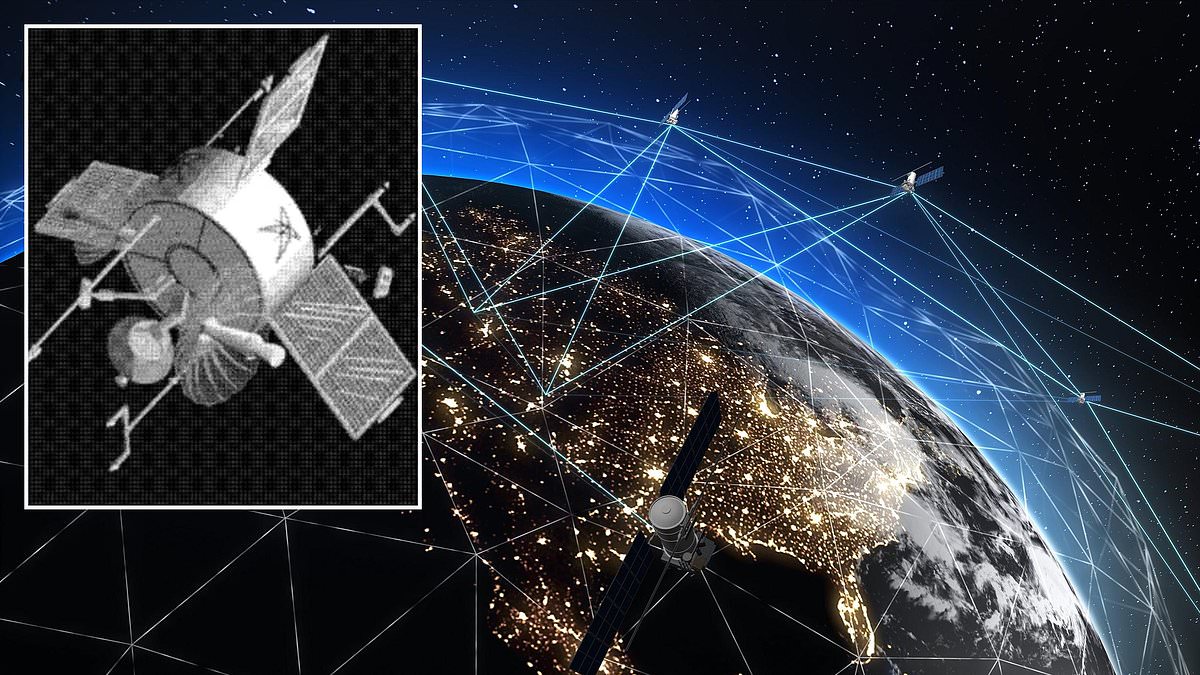
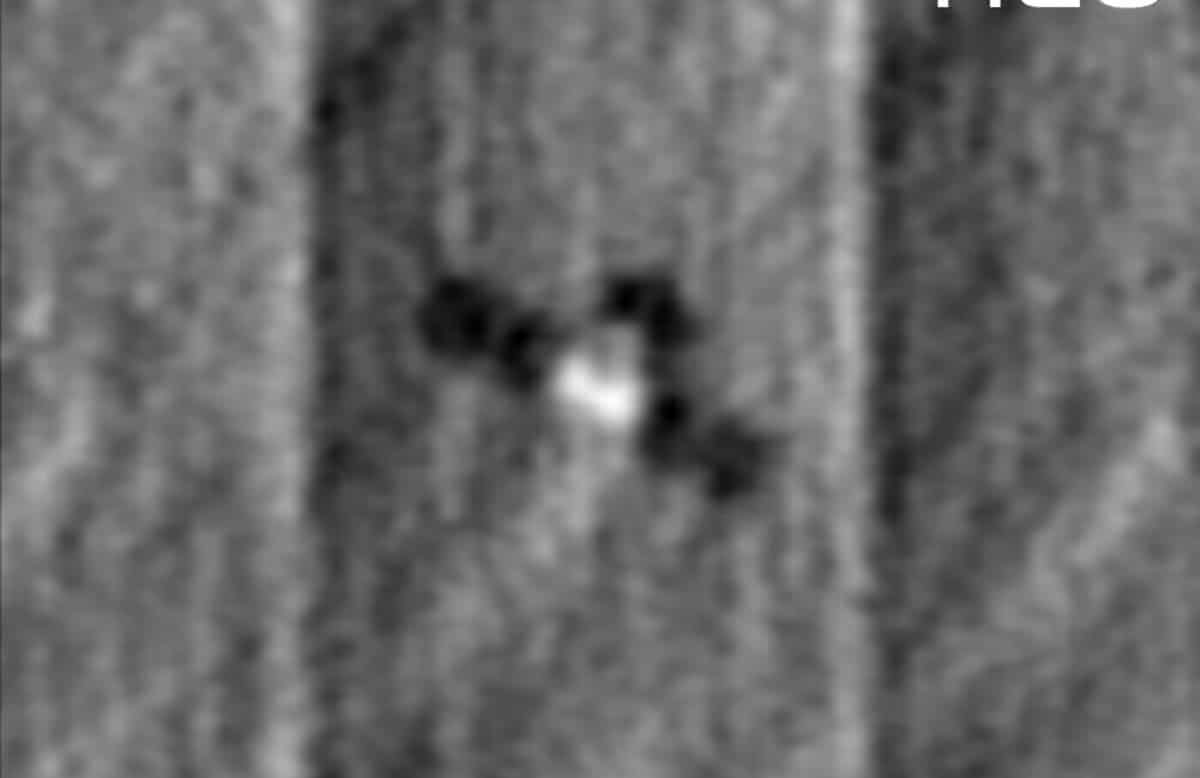
US Spy Satellite Breaks Apart Without Warning; Space Force Won't Rule Out Attack
On September 13, 2026, the USA 32 satellite—a Cold War-era signals-intelligence spacecraft launched in 1988—fragmented into debris approximately 480 miles above Earth's surface. The Space Force confirmed the breakup but has offered no official explanation for the cause. Multiple outlets report the Space Force has not ruled out external interference, though military officials have not specified what form an attack might take. The incident has raised urgent concerns about satellite vulnerability and debris hazard to nearby spacecraft in low Earth orbit.
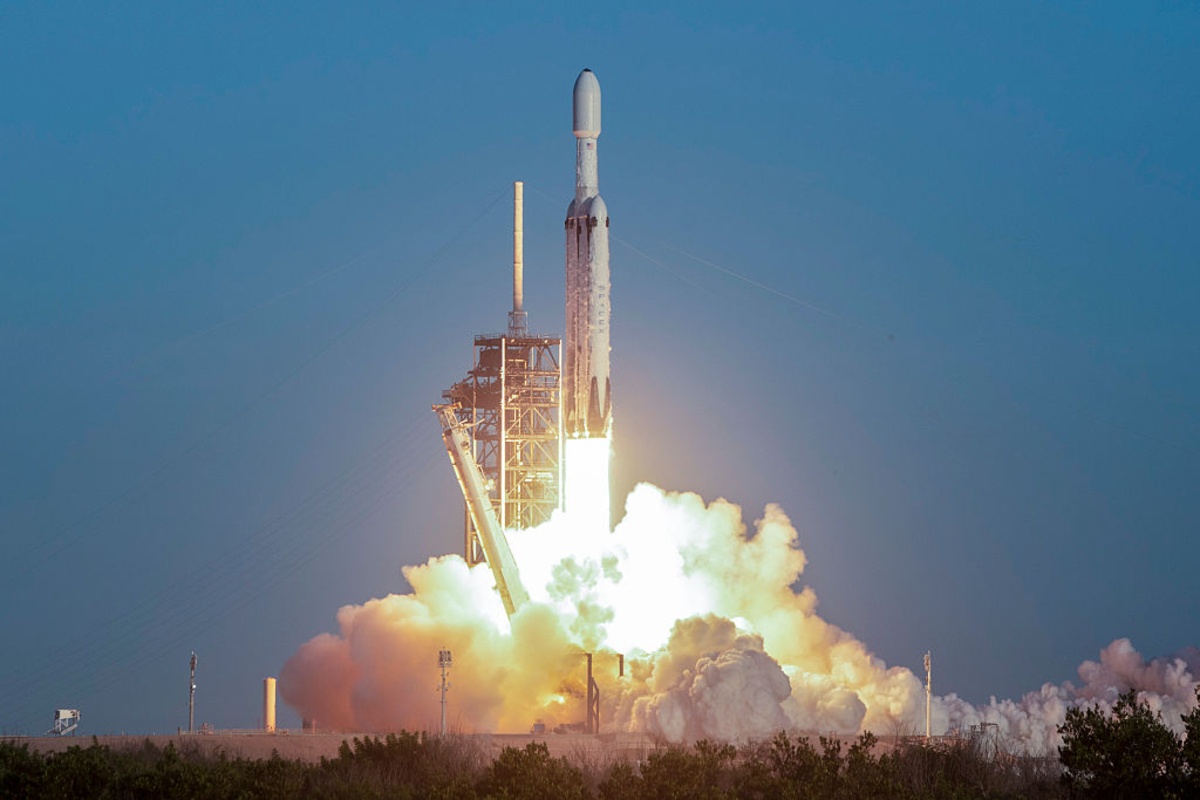
Falcon Heavy Opens $13.7B NSSL Lane 2 Contract with First NRO Launch Scheduled for October 1
SpaceX's Falcon Heavy is set to launch NROL-97 on October 1, 2026, from Kennedy Space Center—the first NRO classified reconnaissance payload ever assigned to the triple-core rocket. This mission marks the opening operational launch of the $13.7 billion NSSL Phase 3 Lane 2 contract, establishing SpaceX as America's primary national security launch provider for large NRO spy satellites. The contract represents a major milestone in SpaceX's expanded role in national intelligence operations.
Russia Restates Orbital Anti-Satellite Weapon Deployment Claims
Russia's military space command reasserted on September 30 that Moscow has deployed orbital counter-space weapons, according to Russian media reports. The claims arrive amid US assertions of its own space-based weapons and follow months of escalating rhetoric from both nations over space warfare capabilities. Russian officials have characterized US space weapon deployments as destabilizing and counterproductive to arms control negotiations.
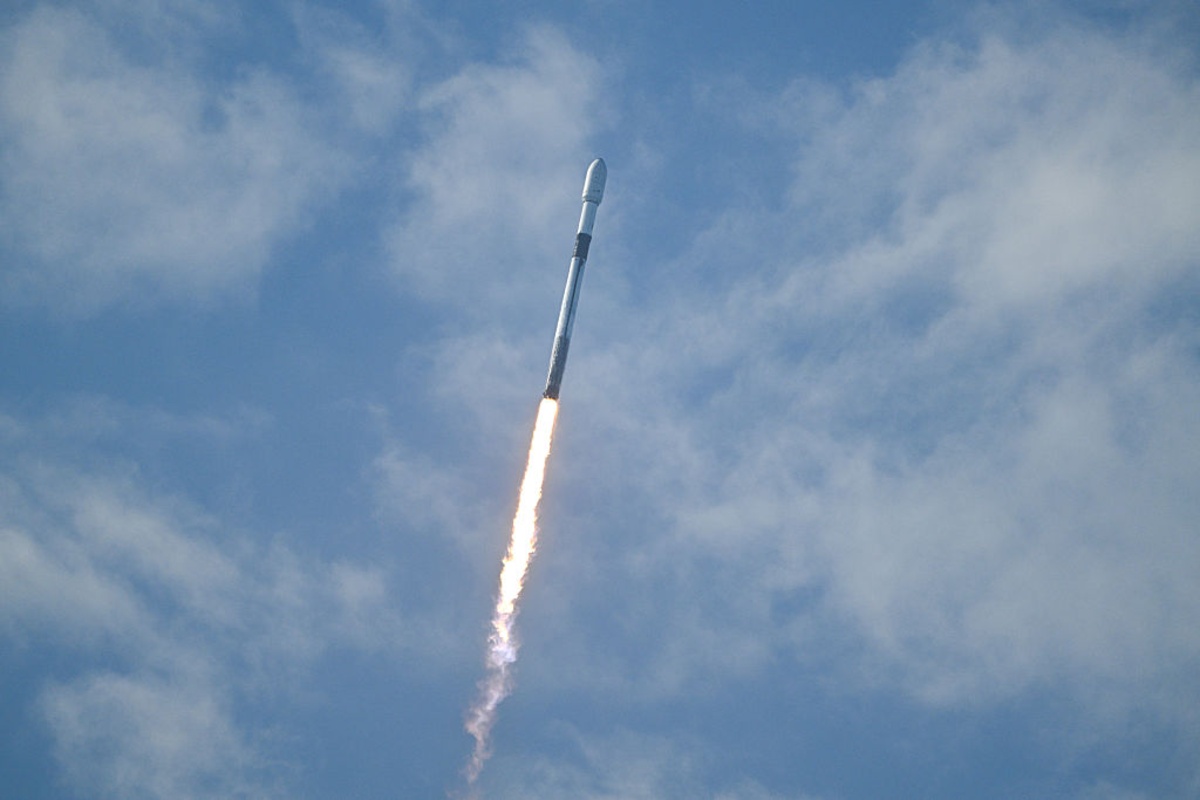
Proliferated Starshield Spy Constellation Grows Too Large for ASAT Attacks
SpaceX's USSF-385 mission launched September 26 from Vandenberg Space Force Base, carrying classified Starshield reconnaissance satellites for the National Reconnaissance Office. The mission adds to a proliferated constellation now numbering hundreds of spacecraft—strategically designed to be too large for adversary anti-satellite weapons to effectively blind or disable in a single coordinated strike. This redundancy approach reflects explicit US strategy to harden the spy satellite network against Chinese and Russian counterspace capabilities.
Local view
No recent local-language media developments available for this reporting period.
Context & numbers
NRO Launch Contract: The $13.7 billion NSSL Phase 3 Lane 2 contract establishes SpaceX as the primary provider for large classified reconnaissance payloads, cementing the company's dominance in national security space operations.
Golden Dome Funding: The Space Force awarded 20 contracts worth up to $3.2 billion to 12 companies in April 2026 for space-based interceptors supporting the Golden Dome missile-defense architecture.
GPS IIIF Upgrade: Congress added $528 million in FY 2026 for two additional GPS IIIF satellites at approximately $250 million per unit, addressing jamming and spoofing threats. The 2018 base contract allows for up to 22 spacecraft, with 12 currently under contract at a total value of $4.1 billion.
Jamming Trend: The International Air Transport Association reported a 500 percent increase in GPS spoofing incidents in 2024, underscoring the urgency of IIIF hardening upgrades.
On the radar
-
Crew-13 ISS Launch (October 1): SpaceX Dragon crew mission targeting Kennedy Space Center following oxidizer leak delay from September 12.
-
Debris Risk Assessment: Space Force tracking of USA 32 fragmentation debris remains ongoing, with potential implications for collision avoidance protocols across all low Earth orbit operators.
-
Chinese Satellite Maneuvers: US Space Force continues to monitor Chinese spaceplane activities and close-proximity satellite operations as indicators of counterspace capability maturation.
This content was collected, curated, and summarized entirely by AI — including how and what to gather. It may contain inaccuracies. Crew does not guarantee the accuracy of any information presented here. Always verify facts on your own before acting on them. Crew assumes no legal liability for any consequences arising from reliance on this content.
Powered by
