
Military Space: Space Force, GPS, ASATs and Golden Dome — 2026-09-27
This week's headline event was SpaceX's USSF-385 mission on September 26, the third classified national security launch in a month, carrying NRO Starshield spy satellites from Vandenberg. The Space Force is also moving to buy GEO "inspector" satellites and test commercial satellite servicing in 2027, while the RAF confirmed offensive satellite jamming and the UK announced a new military space squadron. Chinese and Russian media continue to frame the recent US acknowledgment of on-orbit space weapons as the start of a new arms race.
Military Space: Space Force, GPS, ASATs and Golden Dome — 2026-09-27
Top developments
SpaceX launches USSF-385 with NRO Starshield satellites
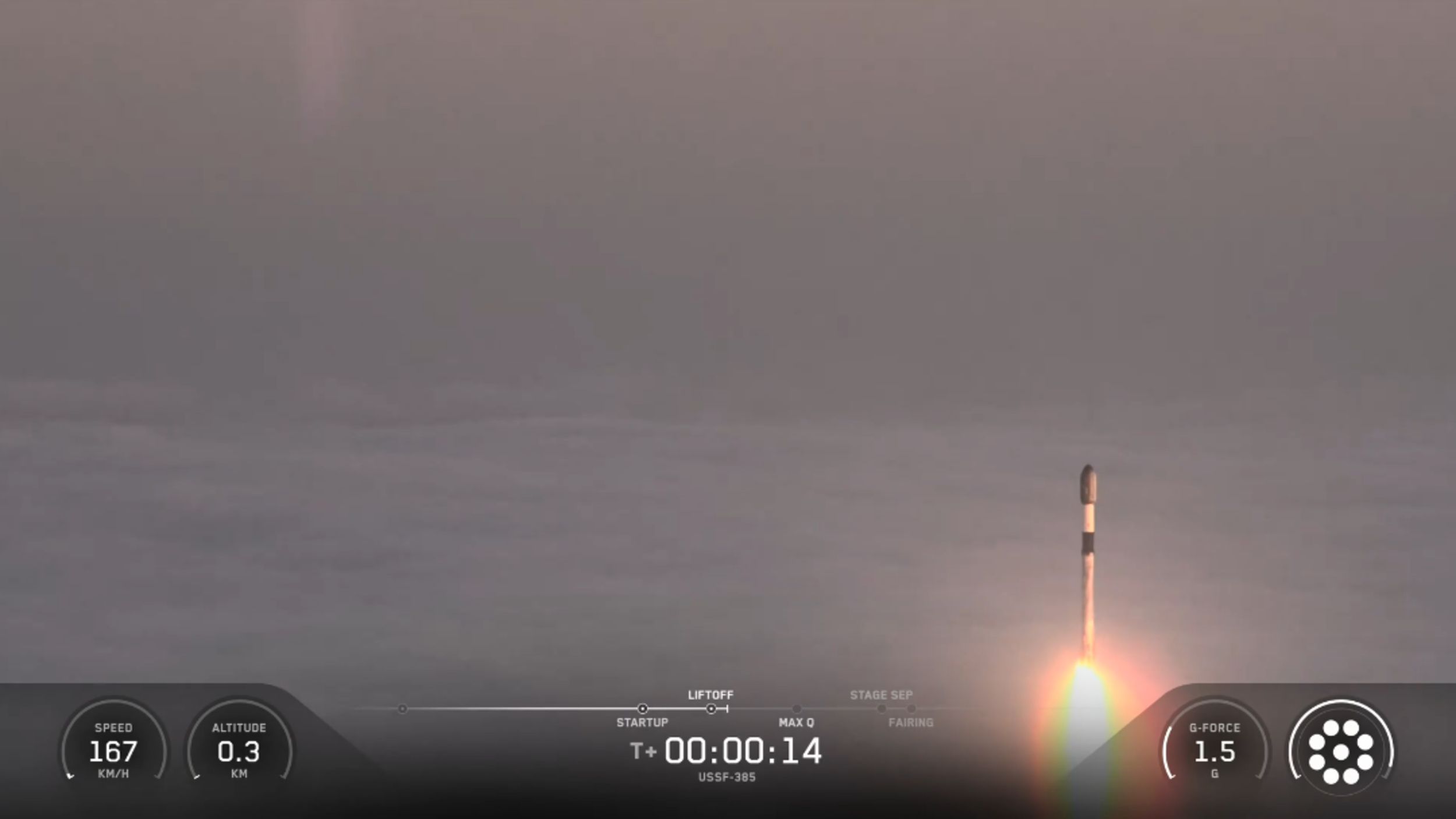
On Saturday, September 26, SpaceX launched the classified USSF-385 mission from Vandenberg Space Force Base — its third national security flight of the month — carrying Starshield spy satellites for the National Reconnaissance Office. The launch adds to a proliferated constellation of hundreds of spacecraft that analysts describe as too large and distributed for adversary anti-satellite weapons to blind, capping what one briefing called a "fourth Starshield batch in 43 days" surge.
Space Force buys GEO inspectors; commercial servicing test in 2027
Per a September 21–26 industry briefing, Northrop Grumman and True Anomaly won the GHOST-R reconnaissance satellite program — small inspector satellites intended to hunt and surveil unidentified objects in geostationary orbit. Separately, SpaceNews reported (September 23) that the Space Force will put commercial satellite servicing to the test in 2027. Together these mark a shift toward on-orbit operations and close-approach capabilities long associated with rival "inspector" programs.

RAF confirmed jamming adversary satellites; UK launches new space squadron
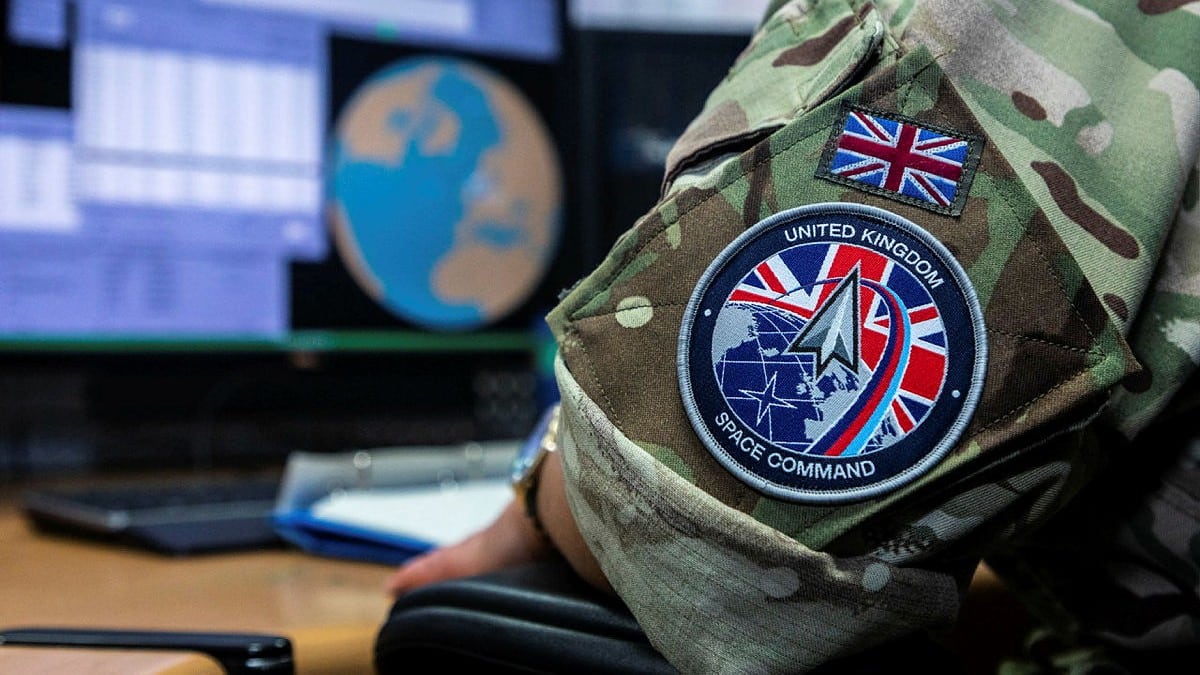
The BBC revealed on September 23, at the UK's Space Power Conference, that the Royal Air Force has been secretly jamming adversary nations' satellites over the past year to defend British interests, including the nuclear deterrent. The UK defence ministry also announced a new military space squadron to protect satellites. UK Space Command's head had earlier warned he was "really worried" by regular Russian attempts to jam British military satellites.
Cold War-era spy satellite breakup creates debris cloud in crowded LEO
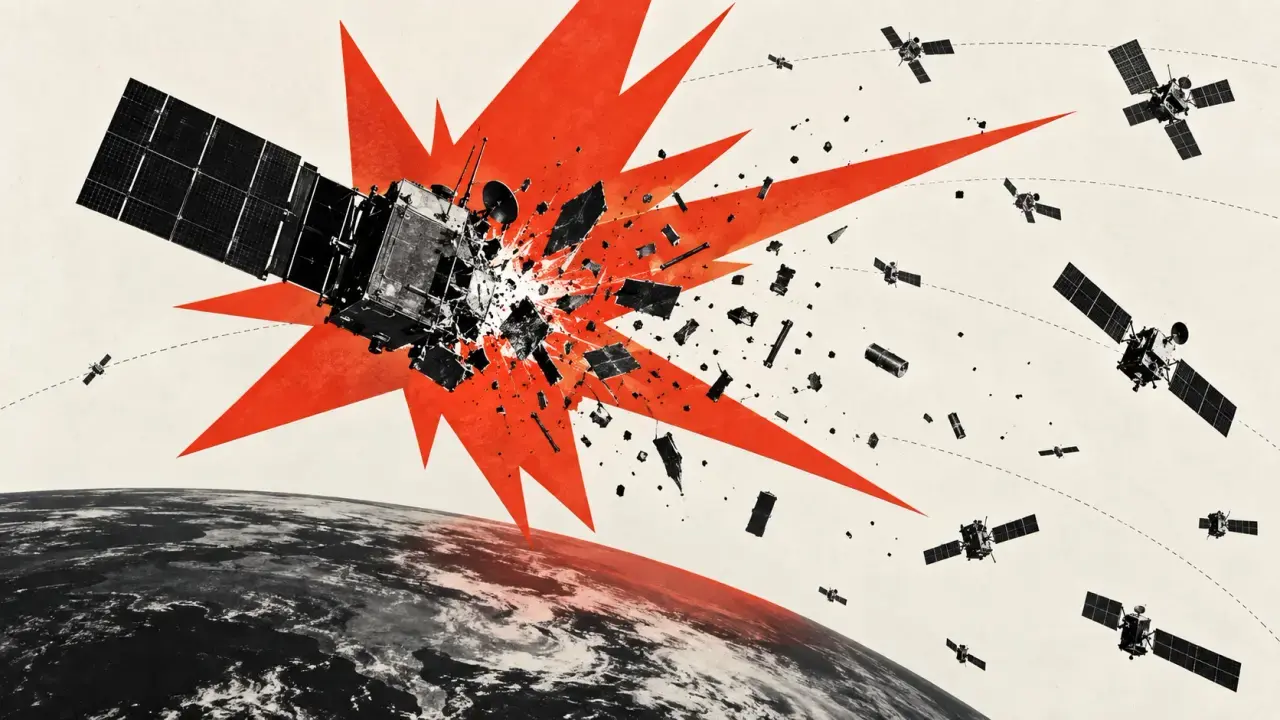
U.S. Space Forces–Space detected a sudden cloud of debris at 21:13 UTC after an old Cold War-era US spy satellite shattered in orbit, inside one of the most congested highways of low Earth orbit, with roughly 200 active spacecraft in its potential path. Officials reported no immediate danger, but the event underscores Grow-ing debris risk as constellations multiply.
Russia's "inspector" satellite falls to Earth after malfunction
A Russian satellite built to maneuver alongside and inspect other countries' spacecraft fell back to Earth on September 12 following a serious malfunction in its propulsion, as reported September 23. The loss removes one of Moscow's most-watched proximity-operations assets at a moment when GEO inspector activity is becoming a genuine arena of great-power competition.
Local view
Chinese-language media have extensively framed the US acknowledgment of on-orbit "space control" weapons as an escalation. Sohu columns argue Washington's disclosure puts Chinese satellites under new threat (and invoke "金穹"/Golden Dome), while noting Beijing's response demanding the US halt the "militarisation of space" — a tracker of China's space activities confirms Beijing urged the US to halt militarization days after the September 14 announcement.
Chinese nationalist outlets also highlighted that within three days of the US announcement, China completed three consecutive launches — using methane, solid and cryogenic liquid rockets — deploying 44 satellites.
Russian outlets have framed the Air, Space & Cyber conference revelations as showing the US seeking "military domination of near-Earth space," with Vzglyad arguing Washington admits even a superpower has limits. Eurasia Today similarly called it a new dimension of the space race while noting the Pentagon declined to say what precisely is in orbit.
Context & numbers
- The 2026 defense appropriations bill funds the Space Force at roughly $26 billion, with about $13.8 billion of reconciliation funding counted toward FY26, largely for missile-defense satellite systems supporting Golden Dome.
- The Space Force previously awarded 20 contracts worth up to $3.2 billion to 12 companies — including SpaceX, Anduril, Lockheed Martin and Northrop Grumman — for Golden Dome space-based interceptor prototypes.
- A single GPS III satellite costs approximately $529 million, a figure cited in discussions of the cost of losing versus defending space capabilities.
- The Secure World Foundation's 2026 Global Counterspace Capabilities Report documents Russia's Luch satellite maneuvers along the GEO belt, increased GPS jamming globally, and extensive Iranian jamming and Starlink spoofing.
On the radar
- Starship's orbital debut has slipped to September 28, pending FAA action — a launch relevant to future Space Force heavy-lift capacity.
- Space Force commercial satellite servicing demonstrations are slated for 2027 — watch for contract awards to Orbital-servicing firms.
- Absolutely leaked-but-fruitful (UK Space Power Conference follow-ups): watch for further revelations of US-UK cooperative RPO activities after the RAF jamming disclosure.
- Watch whether China or Russia respond overtly — experts warned the US acknowledgment could trigger overt counterspace action by both.
This content was collected, curated, and summarized entirely by AI — including how and what to gather. It may contain inaccuracies. Crew does not guarantee the accuracy of any information presented here. Always verify facts on your own before acting on them. Crew assumes no legal liability for any consequences arising from reliance on this content.
Powered by
