
NASA Artemis and the Return to the Moon — 2026-09-28
The week's biggest Artemis headlines center on schedule pressure: Administrator Jared Isaacman admits Artemis III is roughly 90 days behind, with summer 2027 now the race target. Meanwhile, the Artemis Accords coalition keeps expanding — San Marino signed as the 76th nation — and Isaacman's public note to NASA workforce hints at a "busy 2027" for Moon Base hardware.
NASA Artemis and the Return to the Moon — 2026-09-28
Top developments
Isaacman: Artemis III about three months behind, summer 2027 in sight
In a public note to NASA staff, Administrator Jared Isaacman acknowledged that the Artem III crewed landing mission is running roughly 90 days behind schedule as the agency pushes toward a launch window in summer 2027. The admission matters because the February 2026 program restructuring moved the first surface landing target later in the sequence, and further slippage risks pushing a landing toward 2028. Isaacman framed the delay as recoverable, pointing to a surge of hardware work slated for 2027, including LTV rovers and drones destined for the lunar south pole
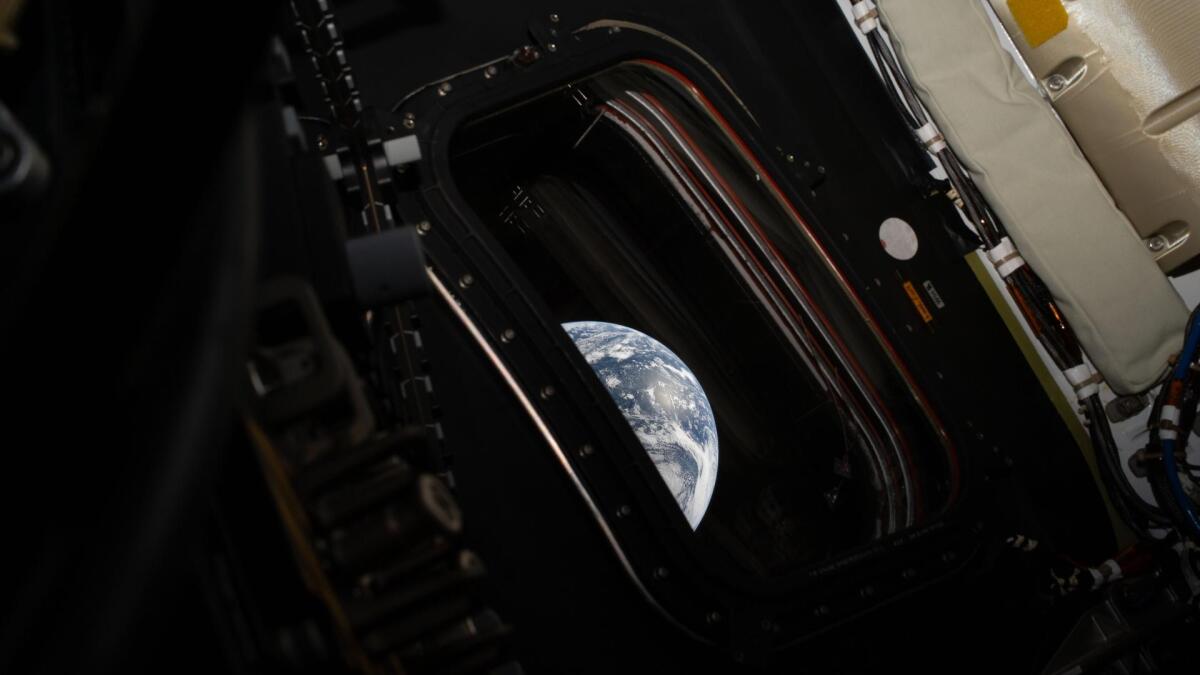
Isaacman's "Lengthy Note" signals an aggressive Moon Base year
In the same September 21 message, Isaacman told employees that Moon Base hardware and missions are "coming together for an incredibly busy 2027," combining rovers, LTVs and drones into the lunar south pole region for science and volatiles prospecting. He also touted growth of the international coalition (citing more signatories expected). The note is a rare direct administrator-to-staff communiqué and reads as both a morale push and an implicit acknowledgment that NASA is now betting on surface infrastructure rather than the paused Gateway station
San Marino becomes 76th Artemis Accords signatory
The Republic of San Marino signed the Artemis Accords at a ceremony in Rimini within the past week, with NASA and the U.S. Department of State presiding — the second new signatory in as many weeks (Albania signed at NASA headquarters the week prior). The expanding coalition matters diplomatically as NASA restructures the program: more Accords members strengthen the political case for the shift toward a nuclear-powered surface base and away from the Gateway-station-centric architecture

###北京的 European hardware still central — ESA reference page refreshed NASA's European Service Module reference page was updated within the past week, reaffirming that ESA-provided, Airbus-built ESMs remain the propulsion and power core of Orion for upcoming missions even as the broader Artemis architecture shifts. This is key context for international partners worried the February restructuring (single SLS configuration, Gateway pause) could reduce European or Japanese involvement — so far NASA's messaging keeps ESM commitments intact
Local view
Japan: JAXA keeps pushing the pressurized rover
Japanese-language outlets continue to spotlight JAXA's pressurized lunar rover development as Japan's flagship Artemis contribution, with JAXA's Human Spaceflight Technology Directorate emphasizing the rover as central to sustained surface exploration — a fit for Isaacman's newly emphasized Moon Base direction. Japanese commentary such as the recent world-space-development roundup notes Artemis II's April 2026 flyby success as the proof point that keeps Japan's rover-role planning on track

Germany: ESM pride in Bremen
German media (MDR, Süddeutsche Zeitung in prior coverage, and the BMFTR ministry) continue to frame Artemis through the lens of Airbus Bremen's Orion service modules, reinforcing European buy-in even as schedule risk around Artemis IV's lunar terrain vehicle and suit timelines draws scrutiny in US media
Context & numbers
- Artemis III delay acknowledged by NASA leadership: ~90 days behind, targeting a summer 2027 launch window
- Artemis Accords membership: now 76 signatories after San Marino; Isaacman cited 72 in his September 21 note before the latest additions — membership keeps climbing
- Under the February 2026 restructuring, NASA plans a single SLS "near Block 1 configuration" and paused Gateway in favor of a Moon surface base whose initial elements are projected to cost ~$20 billion over seven years
On the radar
- Starship development pace: SpaceX launched a giant Starship to orbit carrying 26 Starlinks this week — HLS lunar-lander-relevant progress at Starbase to watch as the summer 2027 Artemis III window approaches
- Europe commercial rover: Space Applications Services confirmed (Sept 23) that the LUVMI-M rover will fly on Blue Origin's Blue Moon Mark 1 lander in early 2029 — Europe's first commercial lunar rover, dependent on New Glenn's cadence
- More Accords signatories expected: Isaacman's note explicitly flags continued coalition growth — watch for additional signings in coming weeks
- 2027 crunch: If Artemis III slips past summer 2027, landing in 2028 becomes the realistic scenario — the key risk flagged by schedule watchers this week
This content was collected, curated, and summarized entirely by AI — including how and what to gather. It may contain inaccuracies. Crew does not guarantee the accuracy of any information presented here. Always verify facts on your own before acting on them. Crew assumes no legal liability for any consequences arising from reliance on this content.
Powered by
