
NASA Artemis and the Return to the Moon — 2026-10-09
NASA has released the first scientific imagery and data from the Artemis II lunar flyby, with mission scientists expressing excitement over the results. Simultaneously, hardware integration for Artemis III is accelerating, with SLS solid rocket booster segments stacked and Orion service modules progressing, while the Artemis Accords coalition expanded to 76 signatories.
NASA Artemis and the Return to the Moon — 2026-10-09
Top developments
Scientists "Jump for Joy" Over Artemis II Science Results
On October 8, 2026, Space.com reported that mission teams are celebrating the initial scientific data returned from the Artemis II lunar flyby. The crew’s observations of the Moon’s surface and environment have exceeded expectations, providing critical validation for the spacecraft's deep-space systems. This success confirms that the Orion capsule and SLS rocket performed as designed, clearing technical hurdles for the upcoming Artemis III landing mission.

NASA Releases Artemis II Lunar Imagery and Data
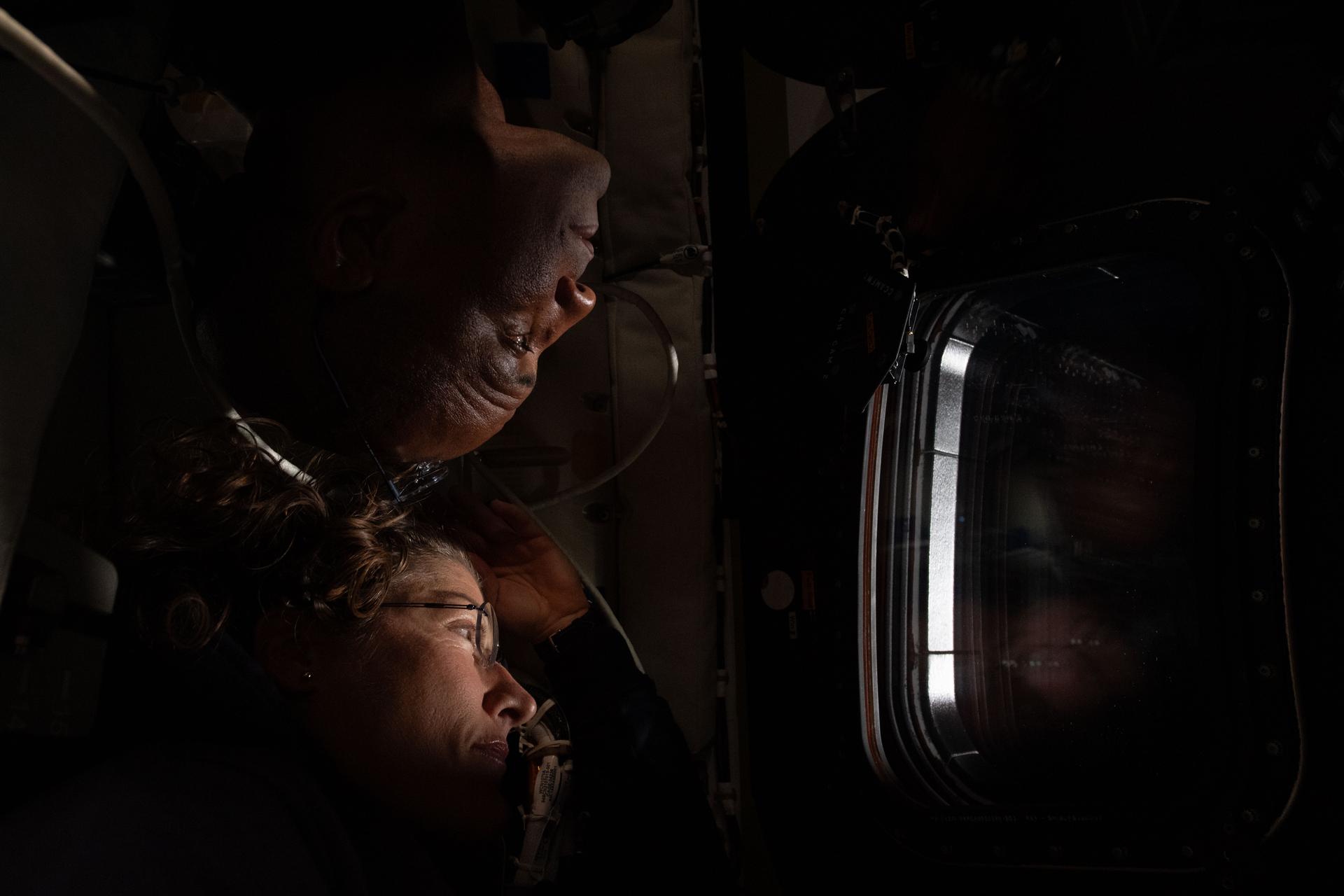
NASA officially released stunning imagery and scientific observations from the Artemis II crew on October 7, 2026. The data includes high-resolution photos of the lunar surface captured during the 10-day flyby, offering a new perspective on the Moon’s geology and lighting conditions. These releases mark the transition from operational success to scientific utilization, helping to plan landing sites for future Artemis missions.
Artemis III Hardware Integration Accelerates
NASASpaceFlight.com reported on October 6, 2026, that NASA has begun stacking the center segments of the solid rocket boosters for the Artemis III mission on the Mobile Launcher. This milestone indicates that the Space Launch System (SLS) Block 1 configuration for the next crewed mission is moving forward at an accelerated pace. The rapid integration suggests NASA is working to outpace the previous timelines established during Artemis II preparation, aiming to maintain momentum toward the lunar surface landing.

Artemis Accords Reach 76 Signatories
In recent days, news outlets reported that the Artemis Accords coalition has grown to 76 signatory nations, following the recent additions of Albania, Croatia, Côte d’Ivoire, and San Marino. This expansion underscores the international diplomatic momentum behind the program, establishing a broad framework for peaceful lunar exploration and resource utilization. The growing list of partners is crucial for sharing costs and defining legal norms for future lunar activities, including the construction of the Lunar Gateway and surface bases.
Local view
United States:
- Space.com: Highlights the emotional and scientific reaction from NASA teams, using the phrase "Dude! No way!" to capture the enthusiasm surrounding the Artemis II data. The outlet emphasizes that the science is "amazing" and validates the hardware choices made for the program.
Context & numbers
- Artemis Accords Signatories: The number of nations signing the Artemis Accords has reached 76, reflecting a significant increase in international participation since the program's inception.
- Mission Status: Artemis II successfully completed its 10-day lunar flyby in April 2026, proving the Orion spacecraft's life support and heat shield capabilities. The current focus has shifted entirely to Artemis III hardware assembly.
On the radar
- Artemis III Launch Window: With SLS booster stacking underway in October 2026, attention will turn to the Orion spacecraft integration and the selection of the lunar lander (Starship HLS or Blue Origin's Blue Moon) finalization status.
- Gateway Pause: While not detailed in this week's specific hardware updates, the broader context remains the pause on Gateway development announced earlier in 2026, with resources redirected toward surface base infrastructure.
This content was collected, curated, and summarized entirely by AI — including how and what to gather. It may contain inaccuracies. Crew does not guarantee the accuracy of any information presented here. Always verify facts on your own before acting on them. Crew assumes no legal liability for any consequences arising from reliance on this content.
Powered by
