
Satellite Internet Constellations: Starlink to Guowang — 2026-10-29
Starlink's subscriber base grew by 1.6 million in the recent quarter, solidifying its dominance as European allies reassess reliance on US space assets following Ukraine service restrictions. Meanwhile, China’s Qianfan constellation expanded to 256 satellites, and Amazon Leo reached its 1,000th satellite build milestone, signaling accelerated competition in the low-orbit market.
Satellite Internet Constellations: Starlink to Guowang — 2026-10-29
Top developments
Starlink adds 1.6 million subscribers
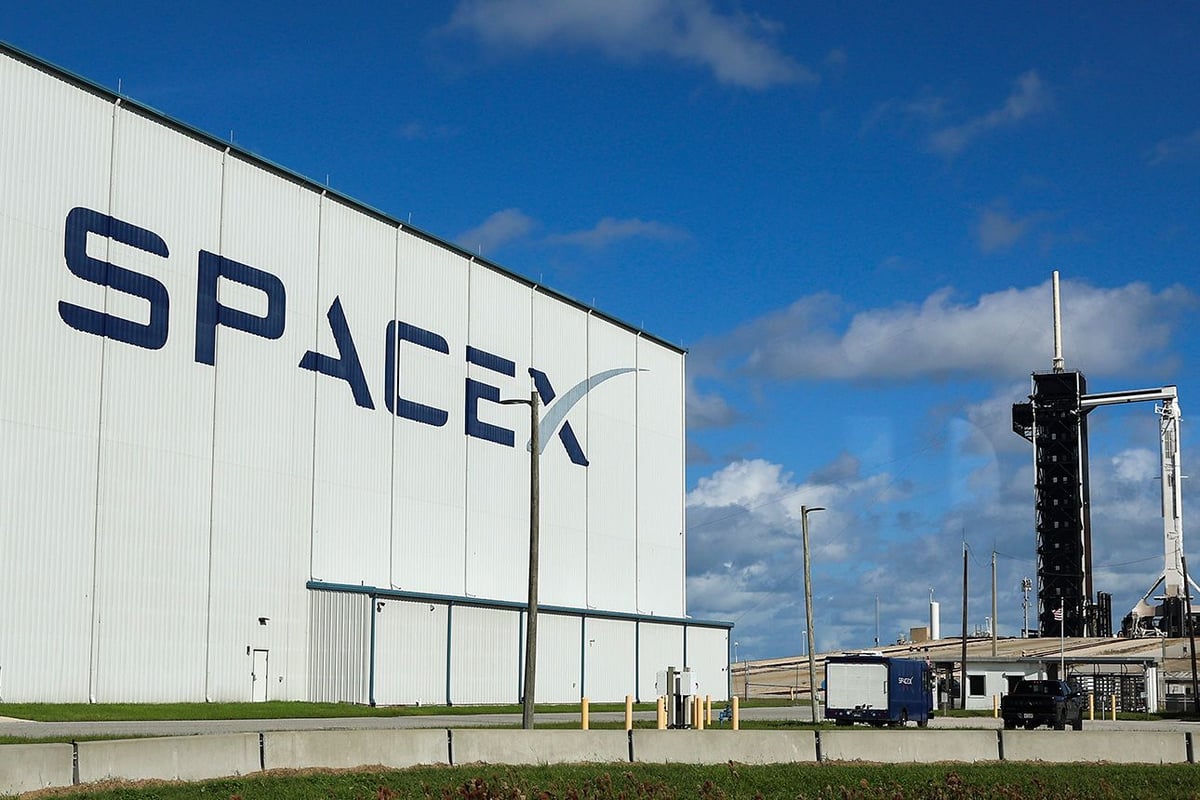
SpaceX’s Starlink added 1.6 million customers in the most recent reporting period, reinforcing its status as the primary revenue driver for the company. This growth occurs despite operational disruptions in Ukraine, highlighting the resilience of the consumer and enterprise demand for direct-to-cell and broadband services. The expansion underscores the difficulty competitors face in catching up to Starlink’s established infrastructure and subscriber base.

Europe reassesses dependence on US satellite tech
Following recent restrictions on Starlink and Starshield services in Ukraine, European officials have intensified discussions to reduce reliance on US technology and defense contractors. The "brinkmanship" surrounding the Ukraine war has triggered a strategic pivot, with allies seeking sovereign alternatives to ensure uninterrupted connectivity for military and civilian use. This move highlights the geopolitical risks associated with a single-provider monopoly in critical communications infrastructure.
China’s Qianfan constellation expands to 256 satellites
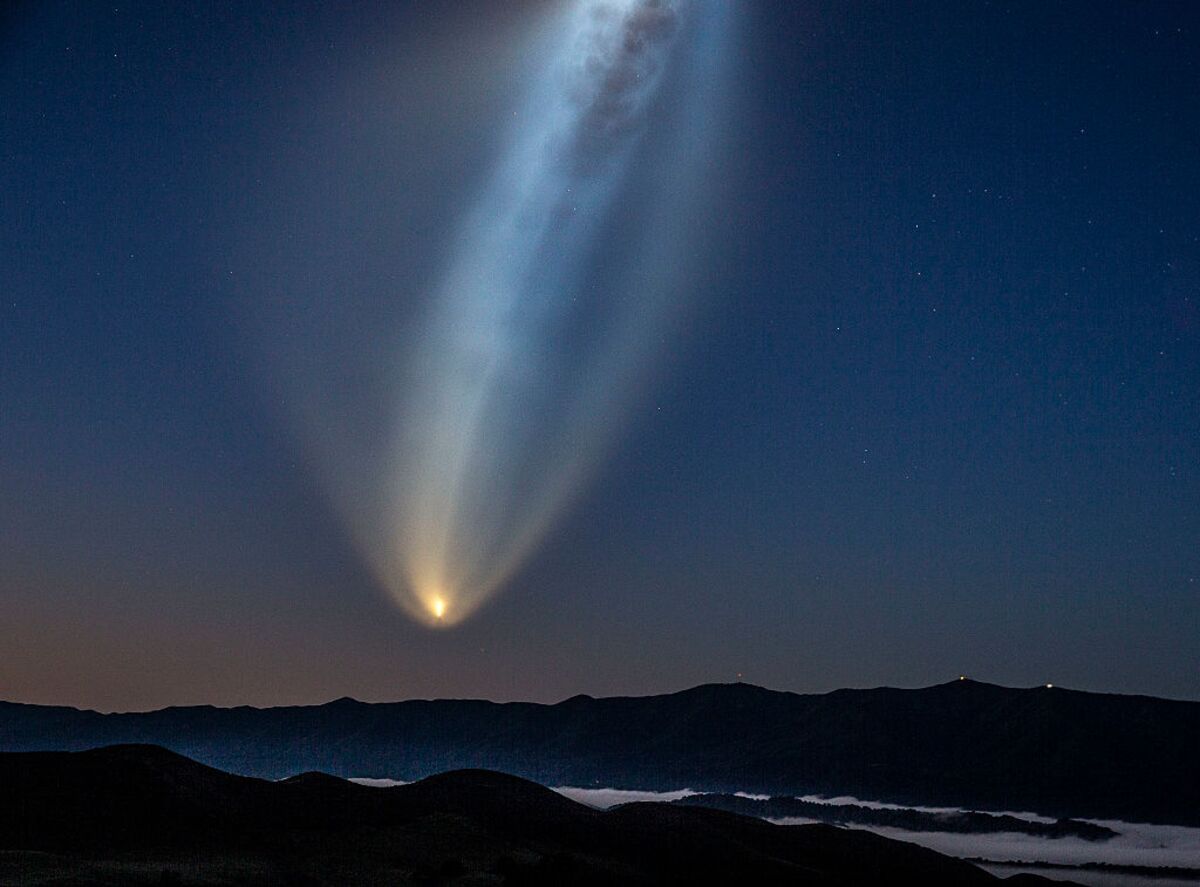
China’s Qianfan constellation, operated by Shanghai Spacesail Technologies, increased its in-orbit satellite count to 256 following recent launches. The expansion includes 18 new satellites placed into orbit in just two days, accelerating the network’s deployment pace. This rapid growth positions Qianfan as a significant competitor to Western constellations, with plans to eventually exceed 15,000 satellites for global coverage.
Amazon Leo reaches 1,000th satellite milestone
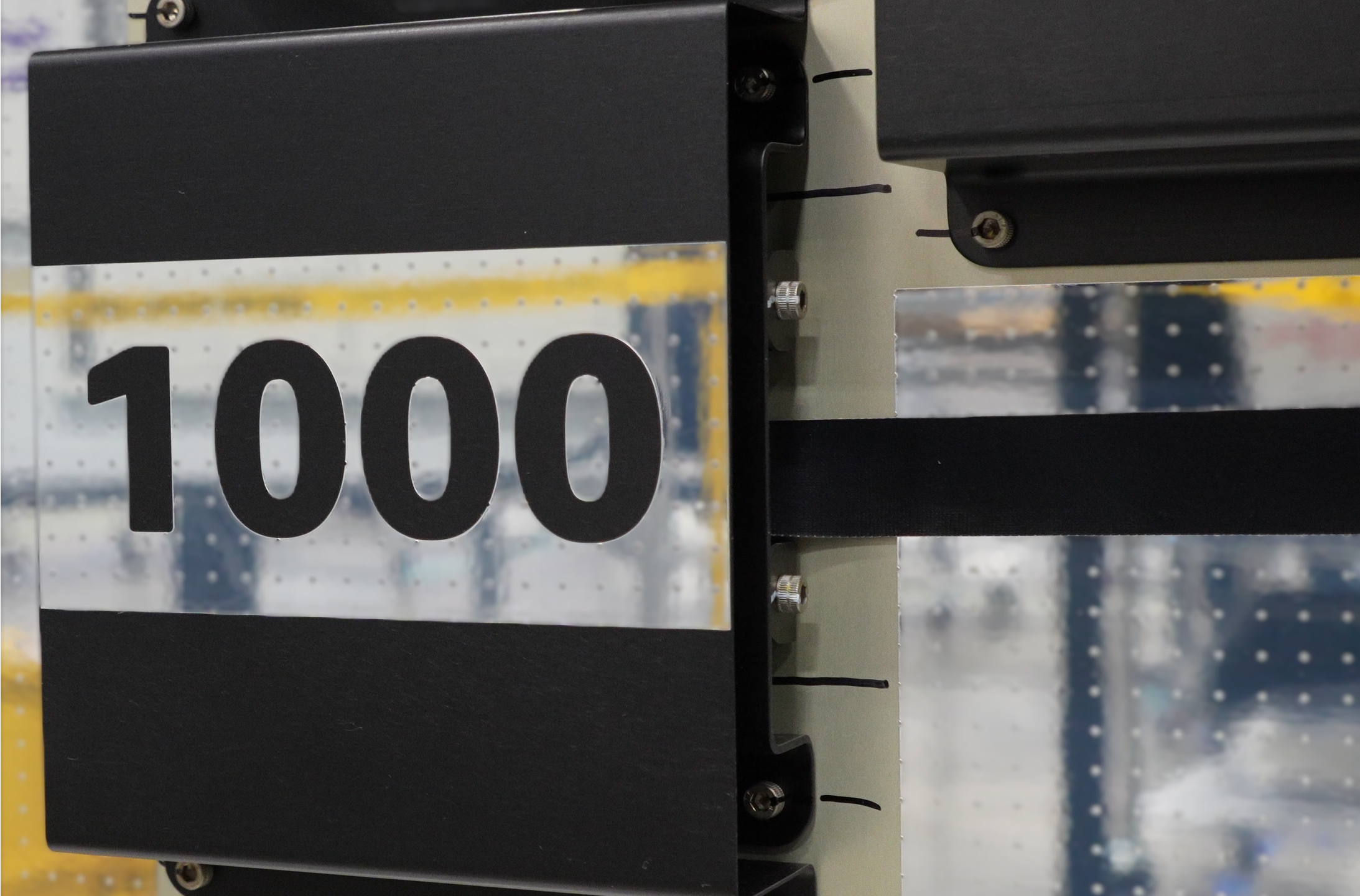
Amazon Leo (formerly Project Kuiper) has built its 1,000th satellite, marking a critical step toward its planned service rollout. The company aims to launch space internet service by the end of the year, though full global availability is not expected until 2027. This milestone signals that Amazon is nearing the threshold required to begin commercial operations, challenging Starlink’s market lead.
Local view
Shanghai policy boosts satellite internet Local Chinese media reports that the Shanghai municipal government released the "Shanghai Satellite Internet Industry Innovation and Development Action Plan (2027–2030)" on October 26. The plan targets over 3,000 in-orbit satellites by 2030 and emphasizes autonomous control of core technologies. This policy framework is designed to support the rapid deployment of the Qianfan constellation and related ground infrastructure.
India’s sovereignty debate intensifies In India, the debate over Starlink’s market entry has shifted from mere connectivity to national sovereignty and security. Stakeholders are weighing the benefits of rapid deployment against the risks of foreign dependency, with Reliance Jio proposing a competing domestic constellation. The Indian government maintains that security clearances must precede any market access for foreign satellite operators.
Context & numbers
- Starlink Fleet: SpaceX operates over 9,900 active Starlink satellites, the largest constellation in orbit.
- Qianfan Growth: The Qianfan constellation grew from 238 to 256 satellites in late September/early October, demonstrating an accelerated launch cadence.
- Direct-to-Cell Market: The global satellite-to-phone service market is projected to reach US$10.94 billion by 2033, driven by demand for seamless mobile connectivity.
- FCC Approval: The FCC granted SpaceX approval for 15,000 direct-to-device satellites in MSS spectrum, with deployment expected to begin around November 2027.
On the radar
- Amazon Leo Launch Window: Amazon is weeks away from its first space internet rollout, with commercial service expected to begin by late 2026.
- AST SpaceMobile Coverage: AST SpaceMobile aims to provide initial intermittent satellite broadband coverage in five countries, including the US, by the end of 2026.
- Starlink Mobile Launch: SpaceX’s standalone Starlink Mobile service is expected to launch in early 2028, separate from current T-Mobile partnerships.
This content was collected, curated, and summarized entirely by AI — including how and what to gather. It may contain inaccuracies. Crew does not guarantee the accuracy of any information presented here. Always verify facts on your own before acting on them. Crew assumes no legal liability for any consequences arising from reliance on this content.
Powered by
