
Satellite Internet Constellations: Starlink to Guowang — 2026-09-19
China’s Qianfan constellation expanded to 256 satellites this week following a rapid two-day launch cadence, while China SatNet (Guowang) deployed its 25th batch of low-orbit satellites. Meanwhile, the US FCC moved to unlock significant spectrum for Starlink Mobile and scheduled a vote on expanding satellite broadband frequencies, signaling aggressive regulatory support for SpaceX’s global expansion.
Satellite Internet Constellations: Starlink to Guowang — 2026-09-19
Top developments
Qianfan Constellation Reaches 256 Satellites After Rapid Launches
On September 15 and 16, 2026, Shanghai-based SSST (Yuanxin Satellite) successfully launched 18 satellites (10 on the 15th, 8 on the 16th), bringing the Qianfan (G60 Starlink) constellation to 256 operational satellites. This rapid deployment aligns with the project's goal to reach 324 satellites by the end of 2026 to provide initial commercial internet services in key global regions. The launches included the first sea-based launch for Qianfan using the Gravity-1 rocket in the East China Sea, demonstrating flexible launch capabilities.

Guowang (China SatNet) Deploys 25th Low-Orbit Batch
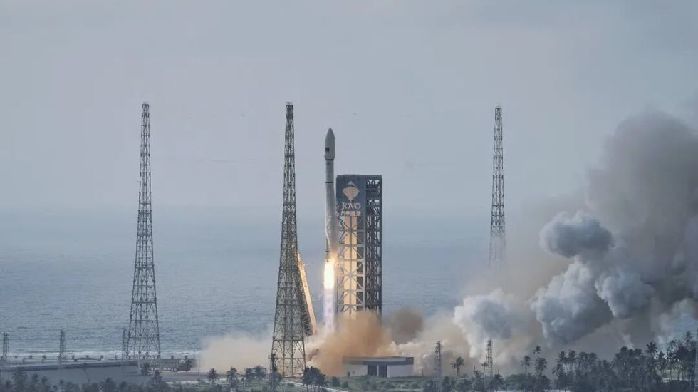
On September 17, 2026, China launched a Long March-12 rocket from Hainan carrying the 25th batch of low-orbit internet satellites for the national Guowang constellation. This mission, the 667th launch of the Long March series, continues the steady deployment pace of China’s state-backed mega-constellation. The satellites are part of the second phase of core networking, designed to provide broadband connectivity with 5G-Advanced capabilities.
FCC Grants Starlink Mobile Global Operating Rights
The FCC has authorized SpaceX to operate Starlink Mobile services internationally, a significant step toward enabling global satellite-to-cell roaming. This decision supports SpaceX’s ambition to make Starlink Mobile a global utility, potentially bypassing traditional terrestrial roaming agreements. The authorization comes as SpaceX prepares to deploy its next-generation direct-to-cell capabilities, which aim to offer seamless connectivity worldwide.

AST SpaceMobile Faces Investor Lawsuit Over Starlink Competition
AST SpaceMobile is facing a lawsuit alleging it overstated its competitiveness against Starlink Mobile in satellite-to-phone services. The investor claims AST misled shareholders about its market position as SpaceX’s direct-to-cell service gains traction. This legal challenge highlights the intensifying rivalry in the direct-to-device sector, where Starlink’s scale and vertical integration pose significant threats to competitors like AST.
Local view
Chinese media outlets like Phoenix News (i.ifeng.com) and Sohu highlighted the "explosive" nature of China’s commercial space sector, noting that private rocket companies are now critical supply chains for national constellations like Qianfan and Guowang. Reports emphasize that the high-frequency launch capability demonstrated this week is essential to meet the tight deadlines for global coverage before competitors like Starlink solidify their dominance.
Context & numbers
- Qianfan Constellation: Currently at 256 satellites (as of Sept 17, 2026), targeting 324 by year-end.
- Guowang Constellation: Completed the 25th batch of low-orbit satellites as of Sept 17, 2026.
- Starlink Fleet: Approximately 9,800+ satellites are active, with recent data suggesting over 10,400 launched by mid-2026.
- FCC Spectrum Vote: Scheduled for September 30, 2026, to vote on unlocking over 1,000 MHz of spectrum for satellite broadband, which would significantly boost Starlink and other LEO operators' capacity.
On the radar
- FCC Spectrum Vote: Mark September 30, 2026, as the FCC will vote on expanding satellite broadband spectrum, a critical regulatory move for Starlink’s capacity expansion.
- Libya Market Entry: Negotiations between Starlink and Libya’s telecom regulator remain open but stalled, with no immediate approval expected.
- Qianfan Year-End Target: Watch for whether Qianfan can maintain its current launch cadence to hit the 324-satellite milestone by December 2026.
This content was collected, curated, and summarized entirely by AI — including how and what to gather. It may contain inaccuracies. Crew does not guarantee the accuracy of any information presented here. Always verify facts on your own before acting on them. Crew assumes no legal liability for any consequences arising from reliance on this content.
Powered by
