
Satellite Internet Constellations: Starlink to Guowang — 2026-10-11
The FCC has granted SpaceX approval for 15,000 direct-to-device satellites, marking a major regulatory milestone for Starlink Mobile. Meanwhile, China successfully launched its 27th batch of low-orbit internet satellites, advancing its Guowang and Qianfan constellations, while Amazon Leo prepares for its initial service launch with the 1,000th satellite built. In India, the government defended its regulatory process against Elon Musk’s claims of blocking Starlink, asserting a competitive market for all providers.
Satellite Internet Constellations: Starlink to Guowang — 2026-10-11
Top developments
FCC Approves SpaceX’s Massive Direct-to-Device Constellation
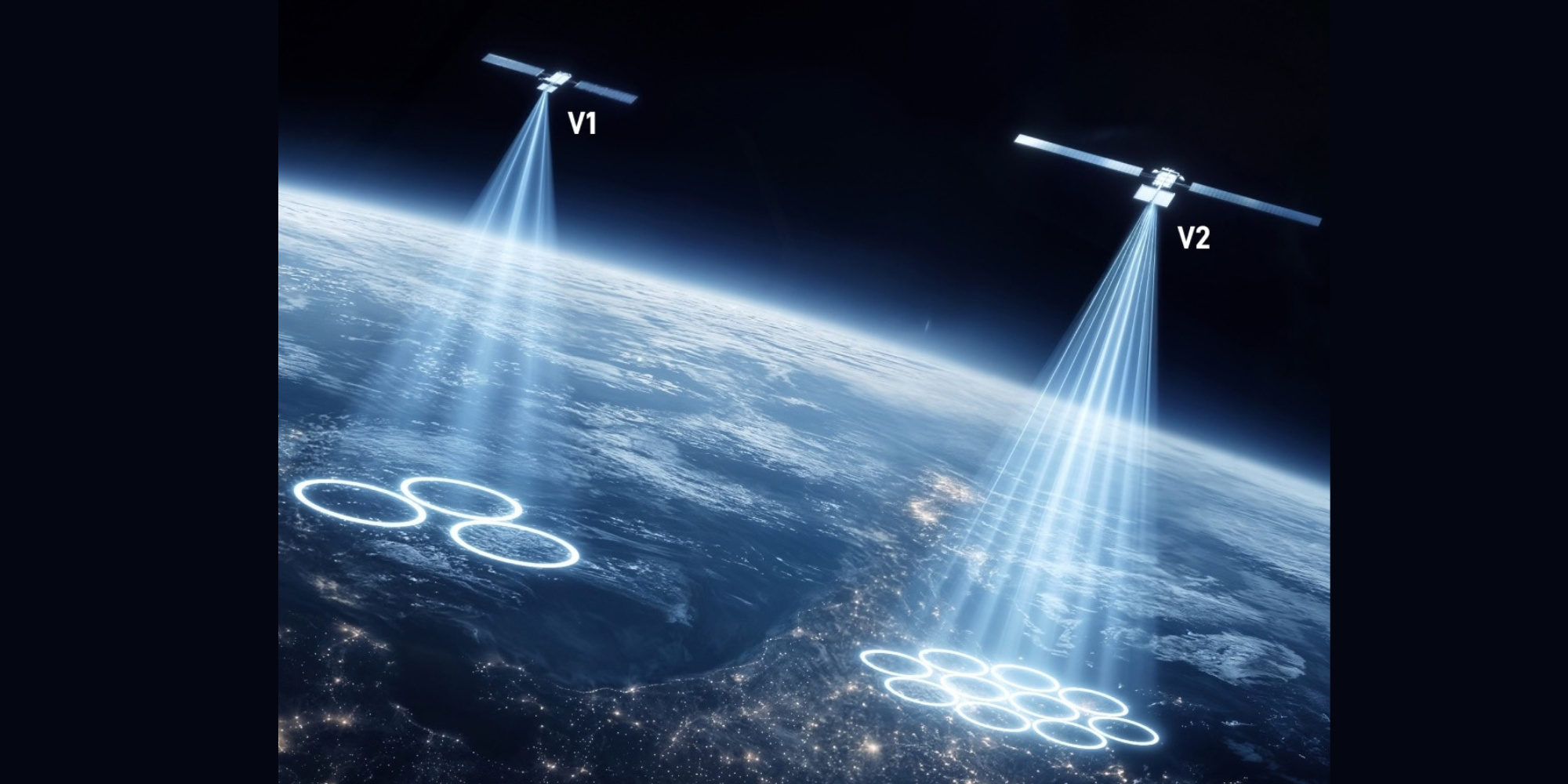
On October 7, 2026, the FCC granted SpaceX approval to deploy 15,000 satellites specifically designed for direct-to-device (DTC) connectivity in Mobile Satellite Service (MSS) spectrum. This approval is a critical step for "Starlink Mobile," allowing SpaceX to operate as a standalone mobile carrier rather than just a broadband provider. The authorization enables communications testing and deployment with EchoStar’s permission, targeting a full system operational date around November 30, 2027.
China Launches 27th Batch of Low-Orbit Internet Satellites
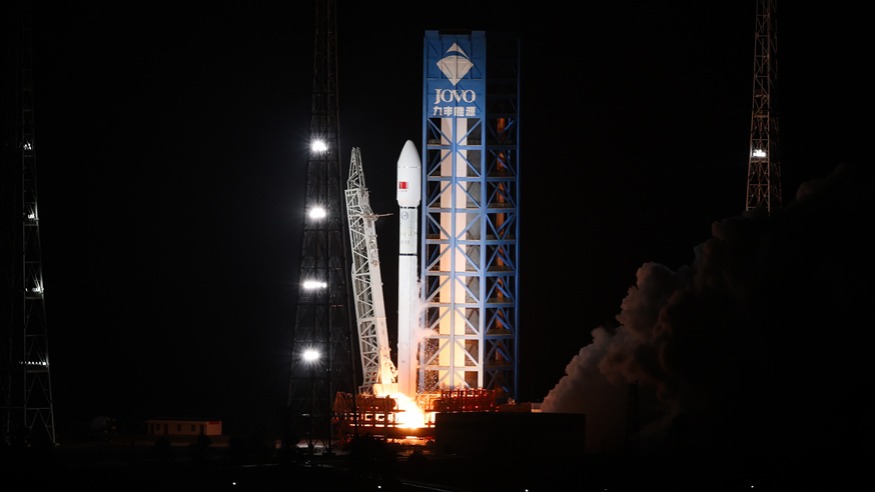
On October 10, 2026, China successfully launched its 27th group of low-orbit internet satellites using a Long March 12 rocket from the Hainan Commercial Space Launch Site. This launch contributes to the Guowang (SatNet) and Qianfan constellations, which are China's primary competitors to Starlink. The satellites carry Ka-band broadband payloads and inter-satellite laser links, enhancing network coverage and redundancy for China’s sovereign satellite internet infrastructure.
Amazon Leo Completes 1,000th Satellite Ahead of Launch
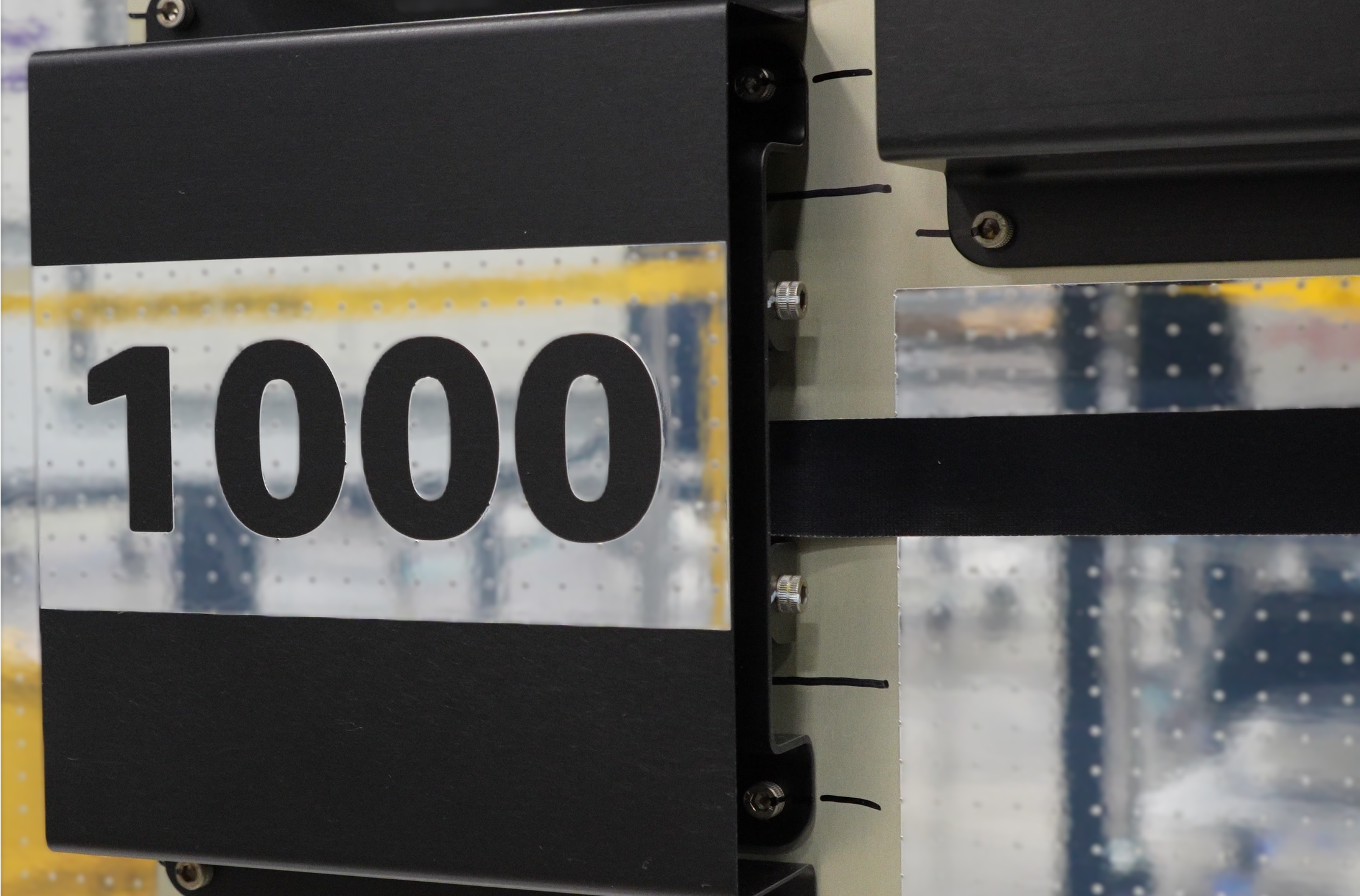
Amazon announced that it has built its 1,000th satellite for Project Kuiper (now branded as Amazon Leo) and is weeks away from rolling out space internet service. Despite having only 396 satellites currently in orbit due to launch partner delays since July, Amazon remains on track to launch initial service in 2026. The company aims to leverage its existing fleet and upcoming launches to compete directly with Starlink’s global coverage.
India Defends Regulatory Process Amid Musk’s Criticism
Union Minister Jyotiraditya Scindia stated that India will allow customers to choose between Starlink, OneWeb, and Jio for satellite internet services, provided they meet security requirements. This response follows Elon Musk’s public accusations that Indian entities are blocking Starlink to protect monopolies. The government emphasized that its regulatory framework is fair and non-discriminatory, aiming to foster a competitive market environment rather than favoring specific domestic or foreign players.

AST SpaceMobile and TELUS Complete First Canadian Integration Test
AST SpaceMobile and TELUS successfully completed their first satellite-to-smartphone integration test in Canada, enabling direct device connectivity for voice, text, and data services. This test demonstrates support for broadband services beyond existing cell tower coverage areas without requiring additional hardware on user devices. The partnership signals growing momentum for direct-to-cell services outside the US, challenging traditional carrier models in North America.
Local view
Indian media outlets are closely covering the diplomatic and regulatory friction between SpaceX and the Indian government. Mint and Al Jazeera report that India is actively pushing back against Musk’s claims of unfair blocking, framing the issue as one of national sovereignty and security compliance rather than corporate protectionism. Local analysts note that the "sovereignty" argument is being used to justify strict data localization and gateway requirements, which Starlink must meet before full commercial launch.
Context & numbers
- Starlink Fleet Size: As of June 2026, Starlink had approximately 10,413 satellites in orbit, with 10,397 operational.
- OneWeb Constellation: Eutelsat OneWeb operates around 648–654 satellites, focusing on a B2B model with approximately $250 million in LEO revenue for the year ending June 2025.
- Amazon Leo Status: Amazon has 396 satellites in orbit and 1,000 built, with a commitment to deploy a total of 3,236 satellites. Initial service is targeted for late 2026.
- Qianfan Progress: The Qianfan constellation has reached 256 deployed satellites as of late September 2026, with a goal of 324 by the end of 2026 for global commercial coverage.
- Starlink Subscribers: SpaceX reports 11.3 million broadband subscribers globally.
On the radar
- American Airlines Expansion: American Airlines plans to extend Starlink Wi-Fi to more than 1,000 mainline aircraft, significantly increasing in-flight connectivity options for US travelers.
- SpaceX Spectrum Acquisition: SpaceX is closing in on acquiring nationwide low-band spectrum licenses, a move that would solidify its position as a major US mobile carrier competing directly with T-Mobile, Verizon, and AT&T.
- T-Mobile Skepticism: T-Mobile CTO John Saw publicly expressed skepticism about SpaceX’s ability to become a major wireless carrier using recently acquired spectrum, highlighting potential technical and financial hurdles.
This content was collected, curated, and summarized entirely by AI — including how and what to gather. It may contain inaccuracies. Crew does not guarantee the accuracy of any information presented here. Always verify facts on your own before acting on them. Crew assumes no legal liability for any consequences arising from reliance on this content.
Powered by
