
Satellite Internet Constellations: Starlink to Guowang — 2026-10-25
SpaceX is aggressively expanding its terrestrial footprint, with reports of a bid for 80,000 US cell sites to launch Starlink Mobile by 2028, while the FCC approved a critical spectrum license transfer for its direct-to-device services. Meanwhile, China’s Guowang constellation advanced its deployment with a successful Long March 8A launch from Hainan, and Starlink users in South Africa faced service disconnections due to regulatory stalls.
Satellite Internet Constellations: Starlink to Guowang — 2026-10-25
Top developments
SpaceX Targets 80,000 US Cell Sites for Fourth Carrier Role
SpaceX is reportedly in talks to secure access to at least 80,000 cell sites in the United States, a move that would position Starlink Mobile as a fourth nationwide wireless carrier. This strategy aims to integrate satellite connectivity with existing terrestrial infrastructure, potentially disrupting traditional telecom operators. The plan involves using these sites to enhance coverage and capacity for Starlink’s direct-to-device services, which are expected to launch commercially in 2028.

FCC Approves Starlink Spectrum Transfer with Orbital Milestones
On October 21, the FCC approved SpaceX’s acquisition of three AWS-3 uplink licenses from Tristar, setting a precedent by substituting traditional tower buildout requirements with satellite orbital milestones. This nine-year milestone clock allows SpaceX to utilize mid-band spectrum for direct-to-device services without the conventional terrestrial infrastructure mandates. This regulatory shift significantly lowers the barrier for satellite operators to compete in the terrestrial mobile market.
China’s Guowang Constellation Launches 28 Satellites
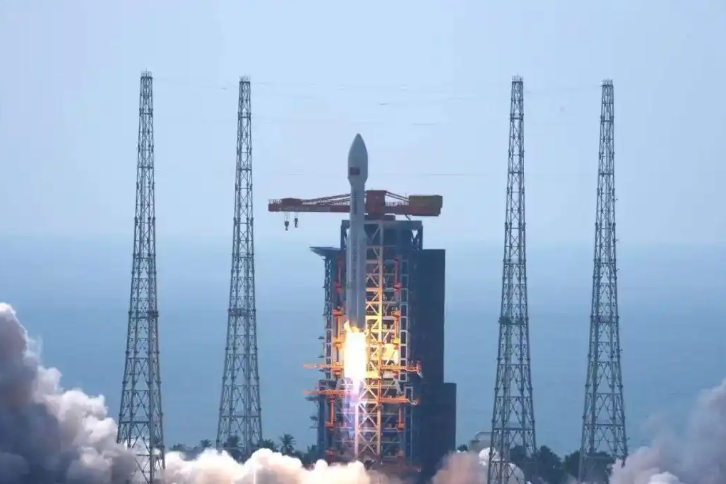
On October 25, China successfully launched 28 low-orbit internet satellites from the Hainan commercial spaceflight site using a Long March 8A rocket. This launch is part of the Guowang (GW) constellation project, which aims to deploy thousands of satellites to provide global broadband coverage. The successful mission underscores China’s accelerating pace in building its sovereign satellite internet infrastructure, currently targeting 400–648 satellites in orbit by the end of 2026.
Starlink Users in South Africa Face Disconnection
Starlink users in South Africa received disconnection notices on October 23 as regulatory licensing stalls continue. The Independent Communications Authority of South Africa (ICASA) has not processed Starlink’s application due to a requirement for 30% local ownership. This regulatory impasse highlights the growing tension between global satellite providers and national sovereignty policies, with immediate impacts on existing subscribers who now face service interruptions.
Local view
In India, the debate over Starlink’s entry continues to intensify, with experts weighing the benefits of connectivity against concerns over digital sovereignty and security. The Observer Research Foundation (ORF) noted that reliance on an external actor for essential services poses a strategic risk if that actor can interrupt service. Meanwhile, Reliance Jio is advancing its own low-earth-orbit constellation of around 1,600 satellites, aiming to provide a sovereign alternative to foreign providers.
Context & numbers
- Satellite Counts: As of late October 2026, Starlink has over 10,000 satellites in orbit, significantly outpacing competitors. Amazon’s Project Kuiper (now Amazon Leo) has approximately 390 satellites, while OneWeb operates around 654 satellites.
- Starlink Mobile Users: SpaceX reported more than 22 million Starlink Mobile monthly users, a figure that has raised concerns among traditional carriers like AT&T regarding wireless pricing and market share.
- Guowang Targets: China’s GW constellation plans to launch 300–700 satellites in 2026, aiming for 400–648 in orbit by year-end to achieve Asia-Pacific coverage.
On the radar
- Starlink Mobile Launch Timeline: SpaceX’s direct-to-device service is targeting a commercial launch around November 30, 2027, with carrier partnerships likely preceding this date.
- AST SpaceMobile Testing: AST SpaceMobile recently completed a direct satellite-to-smartphone test in Canada with TELUS, using standard mobile devices without extra hardware. This marks a significant step in validating direct-to-cell technology for remote regions.
- FCC Unlicensed Spectrum Proceeding: The FCC is considering allowing satellites to operate in unlicensed spectrum for direct-to-device communications, which could further accelerate the integration of satellite services with consumer electronics.
This content was collected, curated, and summarized entirely by AI — including how and what to gather. It may contain inaccuracies. Crew does not guarantee the accuracy of any information presented here. Always verify facts on your own before acting on them. Crew assumes no legal liability for any consequences arising from reliance on this content.
Powered by
