
Satellite Internet Constellations: Starlink to Guowang — 2026-10-09
FCC grants SpaceX approval for 15,000 direct-to-device satellites, positioning Starlink Mobile as a potential carrier rival. Meanwhile, Starlink's India launch remains stalled amid Musk's public accusations of "oligarch" interference, while Amazon Leo reaches its 1,000th satellite milestone.
Satellite Internet Constellations: Starlink to Guowang — 2026-10-09
Top developments
FCC Approves 15,000 Starlink Satellites for Direct-to-Cell
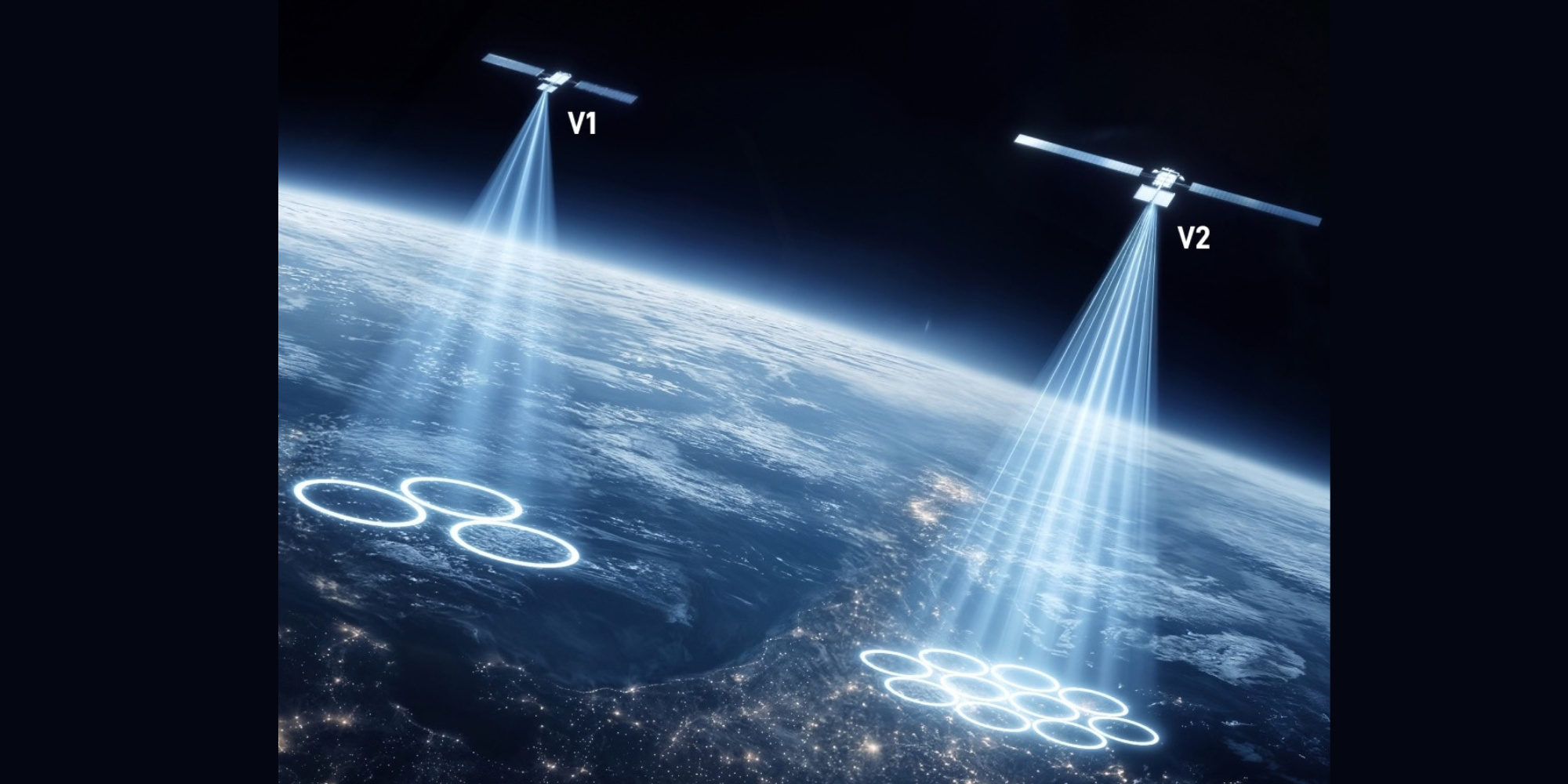
On October 7, 2026, the FCC granted SpaceX approval to deploy 15,000 satellites for direct-to-device (D2D) services in MSS spectrum, significantly expanding its authorized Gen2 constellation. This ruling allows Starlink Mobile to use EchoStar’s acquired radio spectrum and T-Mobile frequencies, enabling direct communication with standard smartphones without specialized hardware. The move is expected to accelerate commercial rollout by November 30, 2027, intensifying competition with traditional terrestrial carriers.
Starlink India Launch Stalls; Musk Accuses "Oligarchs"
Starlink’s commercial entry into India remains blocked despite five years of preparation and the construction of 20 gateways, with final spectrum and security clearances pending. Elon Musk publicly questioned if Mukesh Ambani is the "real boss of India," alleging that unnamed entities are blocking the service to protect monopolies. Indian officials denied bias, stating the approval process is ongoing and emphasizing that data sovereignty and national security protocols must be met before commercial service begins.

Amazon Leo Completes 1,000th Satellite
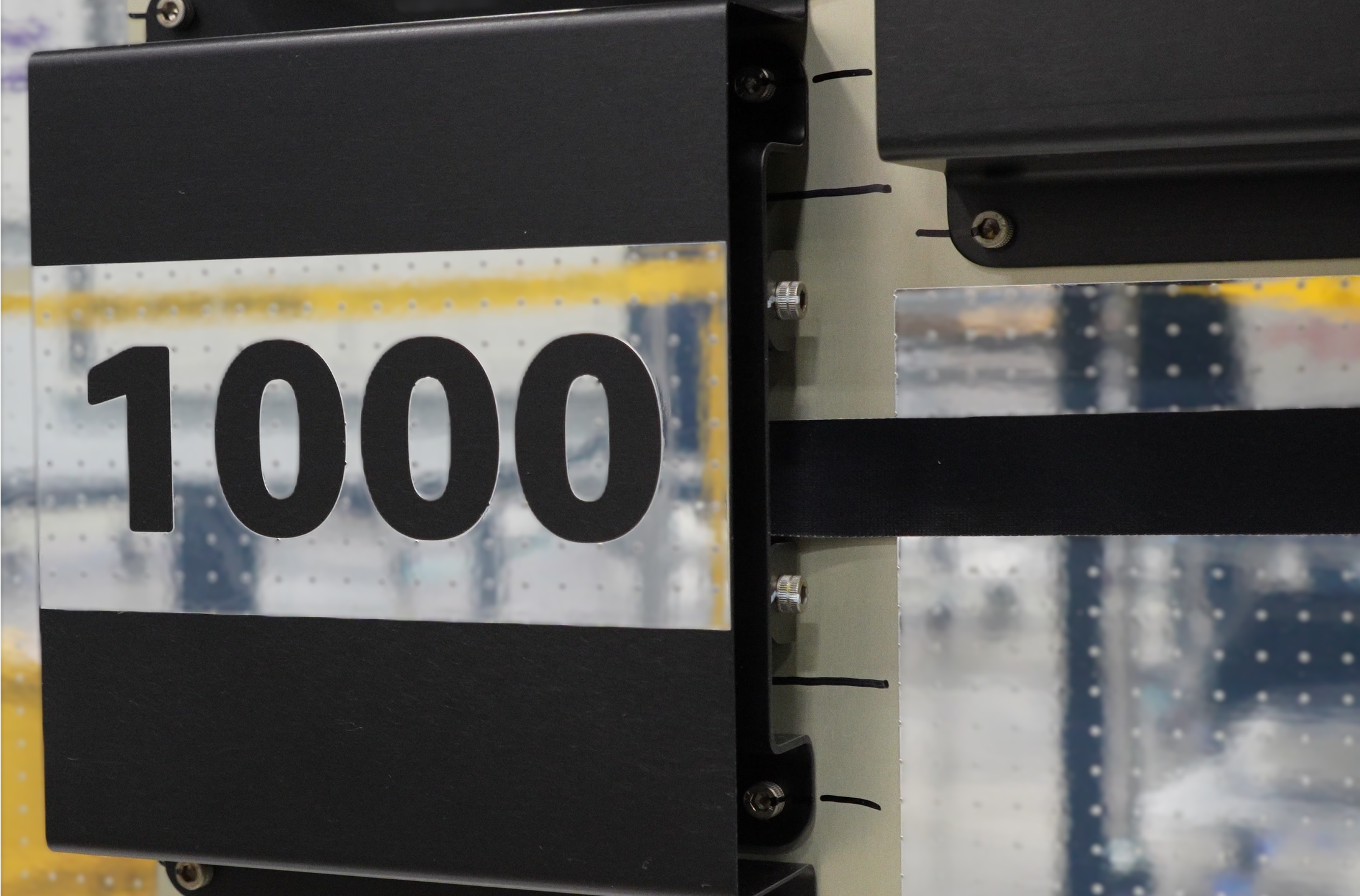
Amazon confirmed on October 8, 2026, that it has built its 1,000th satellite for Project Kuiper (now branded as Amazon Leo), marking a critical milestone toward its FCC deadline. With over 1,000 units ready, the company is weeks away from beginning space internet rollouts, aiming to challenge Starlink’s dominance in the LEO broadband market.
American Airlines Expands Starlink Wi-Fi Fleet-Wide
American Airlines announced on October 8, 2026, plans to extend Starlink satellite internet to more than 1,000 mainline aircraft, solidifying its position as a major consumer of SpaceX’s in-flight connectivity. This expansion highlights the growing reliance of US carriers on LEO constellations to offer faster, more reliable Wi-Fi compared to traditional GEO-based services.
Local view
In China, media reports highlight the rapid industrialization of the Qianfan constellation, with Shanghai Yuxin Satellite completing two launches in one week to reach 256 operational satellites. Local coverage emphasizes the successful maiden sea-launch of the Gravity-1 rocket, which set records for payload weight and orbital height, signaling a shift toward high-frequency, cost-effective deployment methods for China's "Starlink rival."
Context & numbers
- Starlink Constellation: Approximately 10,413 satellites in orbit as of June 2026, with 10,397 operational.
- Amazon Leo: Over 1,000 satellites built; currently has 390+ in orbit.
- OneWeb: Operates around 654 satellites, focusing on B2B models.
- Qianfan: 256 satellites deployed as of late September 2026, targeting 324 by year-end.
On the radar
- AST SpaceMobile & TELUS: Completed first direct satellite-to-smartphone integration test in Canada on October 7, 2026, with service expected within a year.
- US Carrier Joint Venture: Verizon, AT&T, and T-Mobile formally established a joint venture for D2D services on October 2, 2026, creating a unified front against Starlink Mobile.
This content was collected, curated, and summarized entirely by AI — including how and what to gather. It may contain inaccuracies. Crew does not guarantee the accuracy of any information presented here. Always verify facts on your own before acting on them. Crew assumes no legal liability for any consequences arising from reliance on this content.
Powered by
