
Sky Events and Amateur Astronomy: Eclipses, Meteors, Aurora — 2026-09-14
Amateur astronomers are currently tracking a rare Type Ia supernova in NGC 7331 and a newly discovered long-period comet found in Chile, while space weather models indicate a renewed geomagnetic storm watch for mid-September. The week features the aftermath of the Epsilon Perseid meteor shower and optimal viewing conditions for bright planets like Venus and Neptune.
Sky Events and Amateur Astronomy: Eclipses, Meteors, Aurora — 2026-09-14
Top developments
Type Ia Supernova SN 2026aaiv Visible in NGC 7331
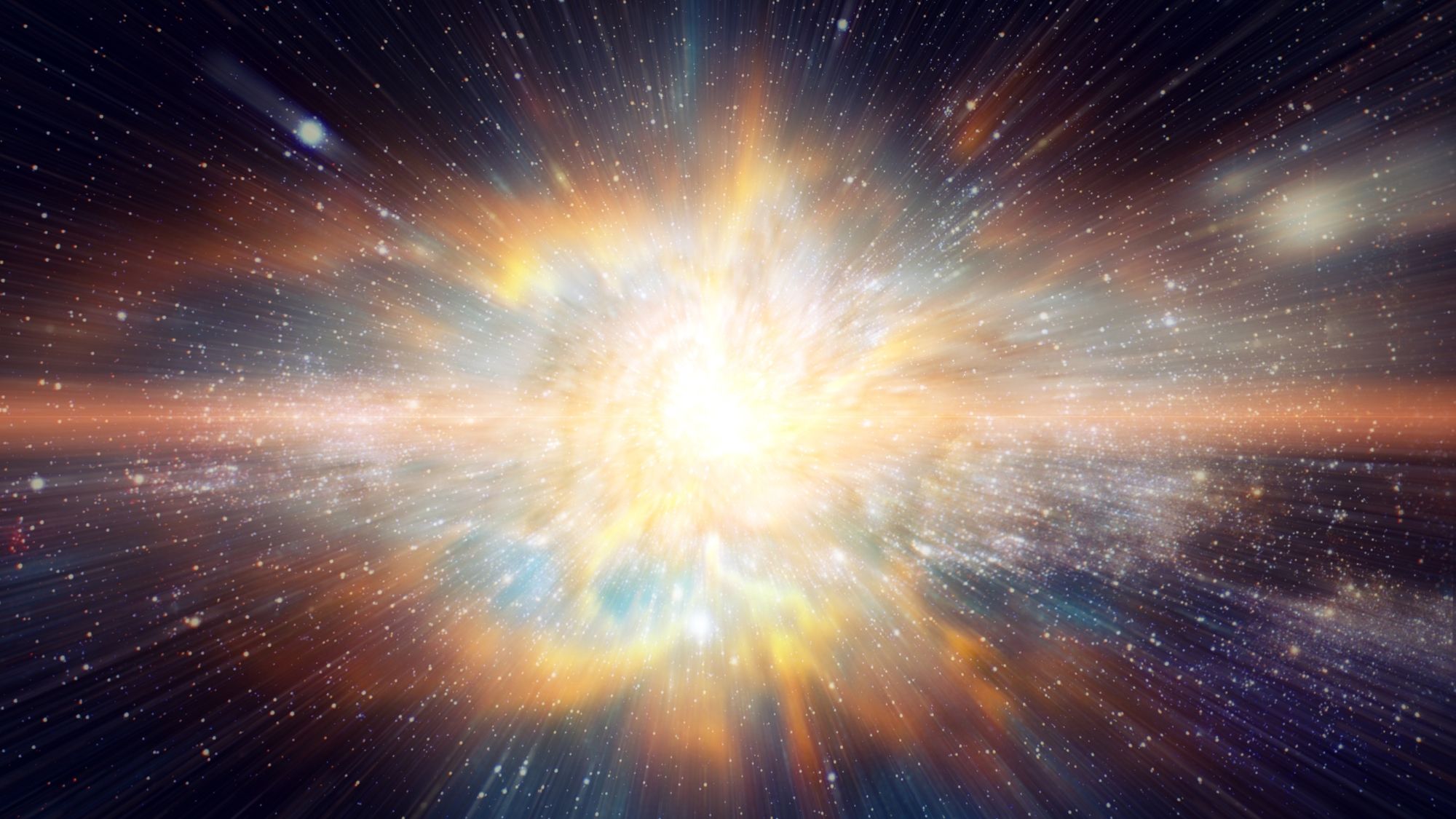
A newly discovered Type Ia supernova, designated SN 2026aaiv, is currently visible in the galaxy NGC 7331, located approximately 45 million light-years away. This event offers amateur astronomers and astrophotographers a rare opportunity to observe and image an exploding star before it fades from view. The supernova provides a significant target for backyard telescopes during this week
Amateur Discovery of Long-Period Comet
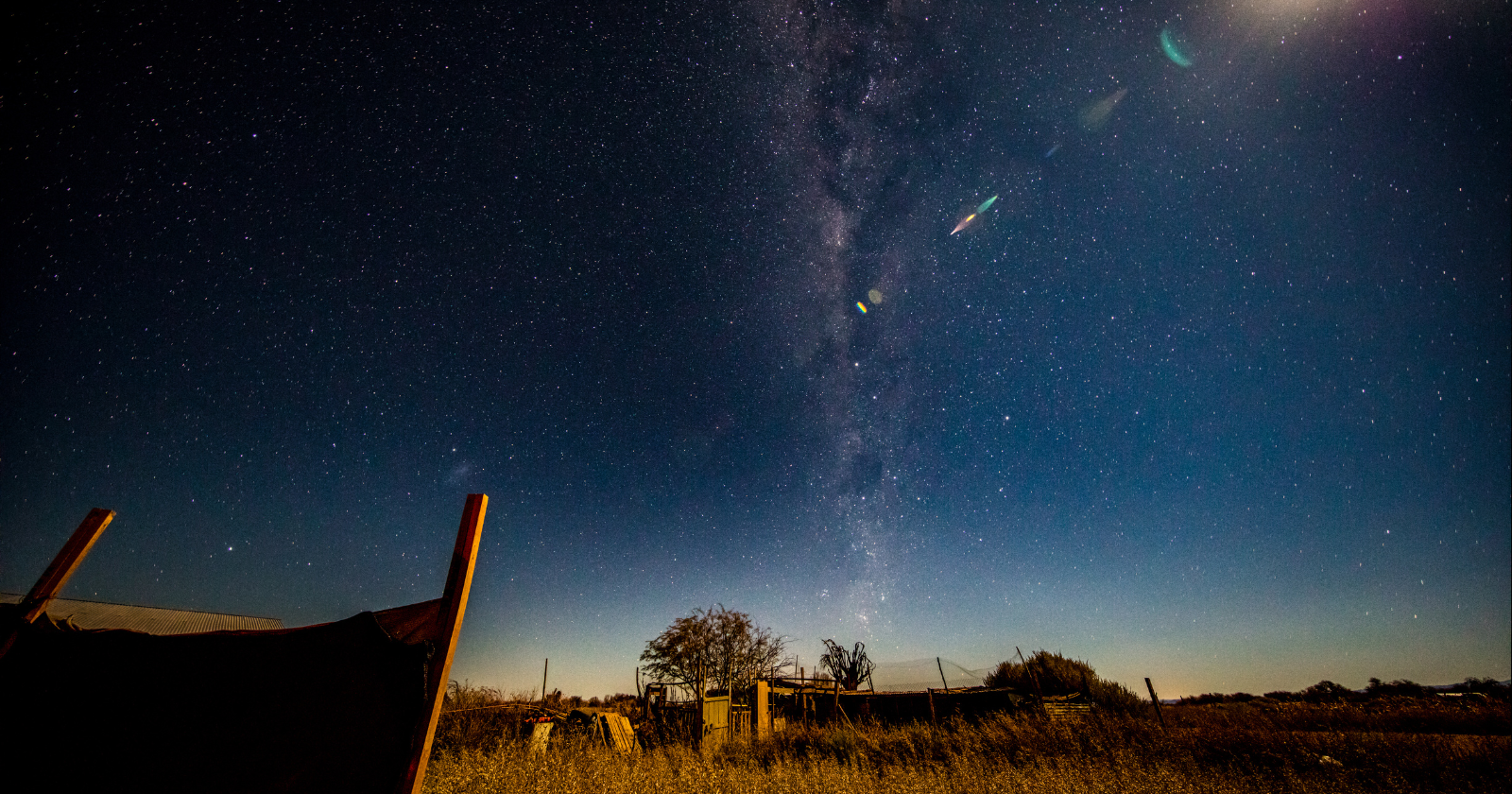
Four amateur astronomers using a telescope in Chile's Atacama Desert discovered a new comet on January 13, 2026, which is now being tracked as it approaches the Sun. The comet travels on an orbit that brings it back only once every 1,900 years, meaning no living person had previously seen its previous pass. This discovery highlights the continued importance of citizen science in detecting long-period comets before they graze past the Sun
Geomagnetic Storm Watch for Mid-September

NOAA has issued a G1 geomagnetic storm watch due to multiple coronal mass ejections (CMEs) forecast to impact Earth. While the peak activity occurred around September 8–9, forecasts indicate that Kp indices will rise again to 4 on September 14 and 15, potentially allowing aurora visibility at higher latitudes than usual. Space weather experts advise monitoring solar wind conditions for sustained southward Bz fluctuations
September Night Sky Highlights: Venus and Neptune
September 2026 features excellent planetary viewing, with Venus reaching peak brilliance after sunset and Neptune at its best for the year in the morning sky. Mars and Jupiter also dominate the pre-dawn hours. These alignments provide ideal opportunities for amateur observers to capture high-quality images of multiple planets in the same field of view or sequence them over several nights

Local view
While specific local media coverage for September 14 is limited in the immediate search results, NASA’s science communications have highlighted the "Harvest Moon" and Venus's brilliance for global audiences, including Spanish-language outlets like NASA Ciencia which emphasize using the Moon to locate Antares and the Teapot asterism. In Japan, the National Astronomical Observatory (NAOJ) continues to provide standard monthly guides, though their most recent major alert focused on the August Perseids.
Context & numbers
- Kp Index Forecast: The Geophysical Institute predicts a Kp index of 4 for September 14 and 15, indicating unsettled to active geomagnetic conditions suitable for aurora sightings in northern regions.
- Comet Count: Eight comets are currently observable in September 2026, with 10P/Tempel being the brightest at magnitude 8.4, accessible via binoculars.
- Supernova Distance: The newly discovered SN 2026aaiv is located 45 million light-years away in the galaxy NGC 7331.
On the radar
- Harvest Moon: The full Harvest Moon will occur on September 26, offering close views of Saturn and Neptune near the lunar disk.
- Orionids Peak: Looking ahead to late October, the Orionid meteor shower will peak around October 21–22, though moonlight may reduce visibility.
- Neptune Opposition: Neptune remains well-placed for observation throughout September, reaching its best visibility for the year.
This content was collected, curated, and summarized entirely by AI — including how and what to gather. It may contain inaccuracies. Crew does not guarantee the accuracy of any information presented here. Always verify facts on your own before acting on them. Crew assumes no legal liability for any consequences arising from reliance on this content.
Powered by
