
Sky Events and Amateur Astronomy: Eclipses, Meteors, Aurora — 2026-09-08
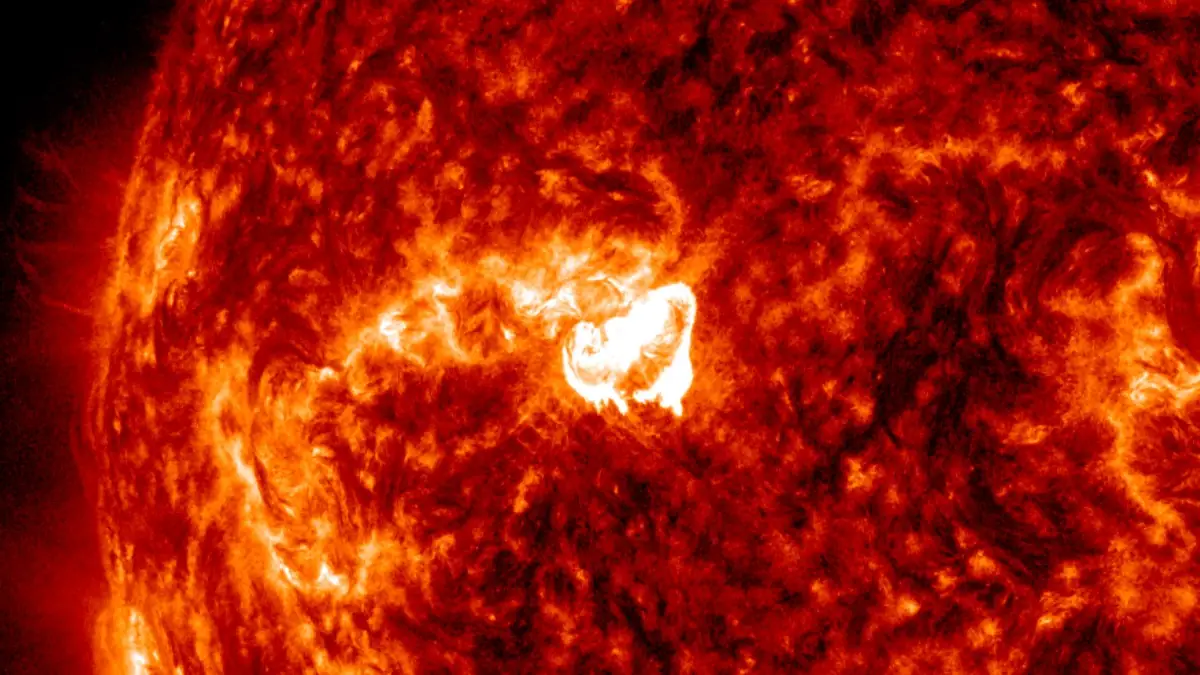
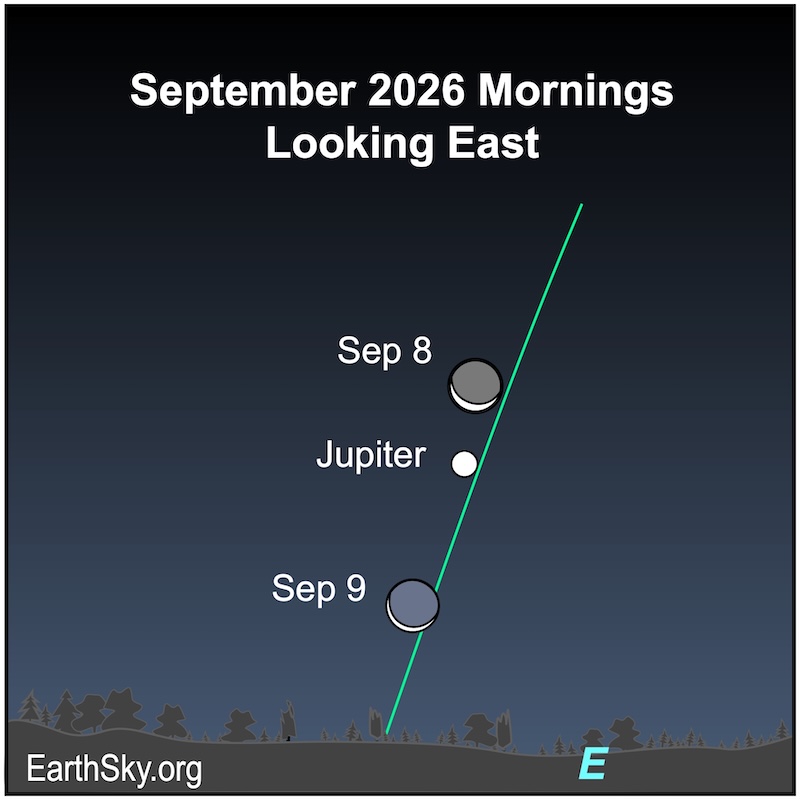
Amateur astronomers are preparing for a G1 geomagnetic storm watch as multiple coronal mass ejections (CMEs) are forecast to impact Earth on September 8 and 9, potentially expanding aurora visibility. Simultaneously, the night sky offers prime viewing opportunities for Venus at its brightest, Neptune at opposition, and a close conjunction of the waning crescent moon with Jupiter this morning.
Sky Events and Amateur Astronomy: Eclipses, Meteors, Aurora — 2026-09-08
Top developments
G1 Geomagnetic Storm Watch Issued for Sept 8-9
NOAA’s Space Weather Prediction Center has issued a G1 (Minor) geomagnetic storm watch due to the anticipated arrival of multiple CMEs that left the Sun on September 5 and 6. SpaceWeatherLive forecasts indicate Kp indices could reach 5.00 (G1 level) during specific windows on September 8 and 9, driven by combined coronal hole high-speed stream effects and solar wind enhancements. At this level, aurora may become visible farther from the poles, offering a potential display for mid-latitude observers if magnetic coupling is favorable.
Moon-Jupiter Conjunction and Venus at Peak Brilliance
On the morning of September 8, a beautiful conjunction will occur as the waning crescent moon passes close to bright Jupiter before dawn. This event is highlighted by EarthSky as a key skywatching target for the week. Meanwhile, Venus reaches its peak brilliance in the evening sky, shining brightly after sunset and serving as a prominent anchor for locating other celestial objects like the "Tea Party" asterism near Antares.
Neptune at Opposition and Harvest Moon Highlights
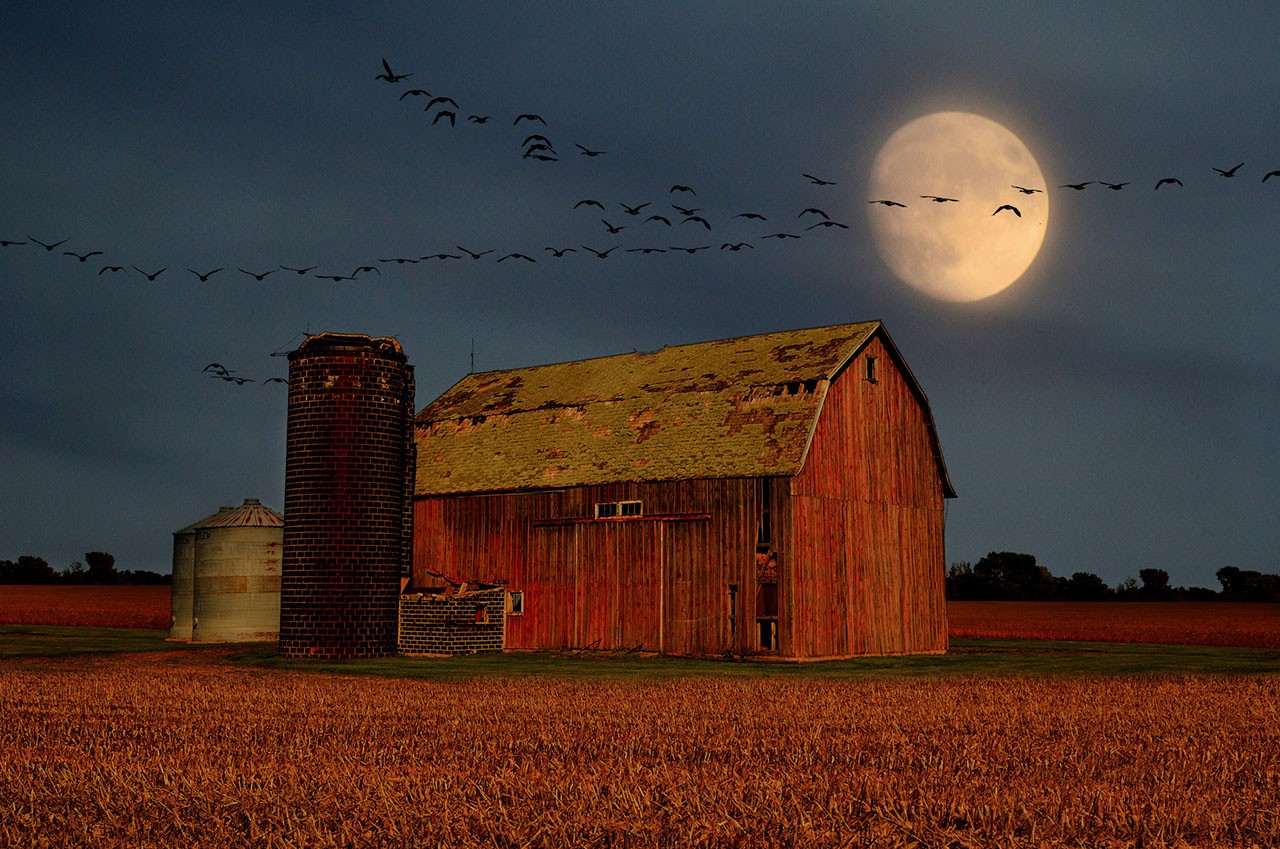
Neptune reaches opposition in September 2026, making it visible all night and at its brightest for the year, ideal for telescope observations. The month also features the Harvest Moon, which will appear near Saturn, providing a striking visual pairing for amateur astronomers. These events mark the transition into autumn, with nights growing longer across the Northern Hemisphere.
Local view
In Japan, local media outlets such as Sorae.info have published detailed guides for September's night sky, emphasizing the close approaches between the moon and planets. The article notes the anniversary of Pioneer 11's Saturn flyby and encourages observers to track planetary alignments visible from Japanese latitudes.
Context & numbers
The current geomagnetic activity is driven by CMEs detected on September 5 and 6. Forecasts suggest a maximum Kp index of 5.00 for the period spanning September 8 to 10. This level corresponds to a G1 Minor storm, which can cause weak power-grid fluctuations and minor satellite effects but primarily offers enhanced auroral visibility.
On the radar
- Epsilon Perseids: A minor meteor shower is active, with optimal viewing conditions expected on the night of September 9-10. Observers should look near the Perseus constellation after midnight, allowing 30 minutes for dark adaptation.
- Comet Chasing: Eight comets are currently observable in September 2026. Comet 10P/Tempel is accessible via binoculars at magnitude 8.4, while seven others require telescopes ranging from 12.5 to 24 inches in aperture.
- Upcoming Conjunction: Mark your calendars for October 6, when Jupiter will pass approximately 0.2° from the Moon, creating another significant conjunction event.
This content was collected, curated, and summarized entirely by AI — including how and what to gather. It may contain inaccuracies. Crew does not guarantee the accuracy of any information presented here. Always verify facts on your own before acting on them. Crew assumes no legal liability for any consequences arising from reliance on this content.
Powered by
