
Sky Events and Amateur Astronomy: Eclipses, Meteors, Aurora — 2026-09-02
September 2026 opens with a spectacular lineup of planetary conjunctions, including a rare daylight occultation of Venus by the Moon on September 14. Recent geomagnetic storm activity has subsided, but forecasters highlight a promising start to the northern lights season. The Nancy Grace Roman Space Telescope has successfully deployed, offering new opportunities for deep-sky observation planning.
Sky Events and Amateur Astronomy: Eclipses, Meteors, Aurora — 2026-09-02
Top developments
Rare Daylight Occultation of Venus by the Moon
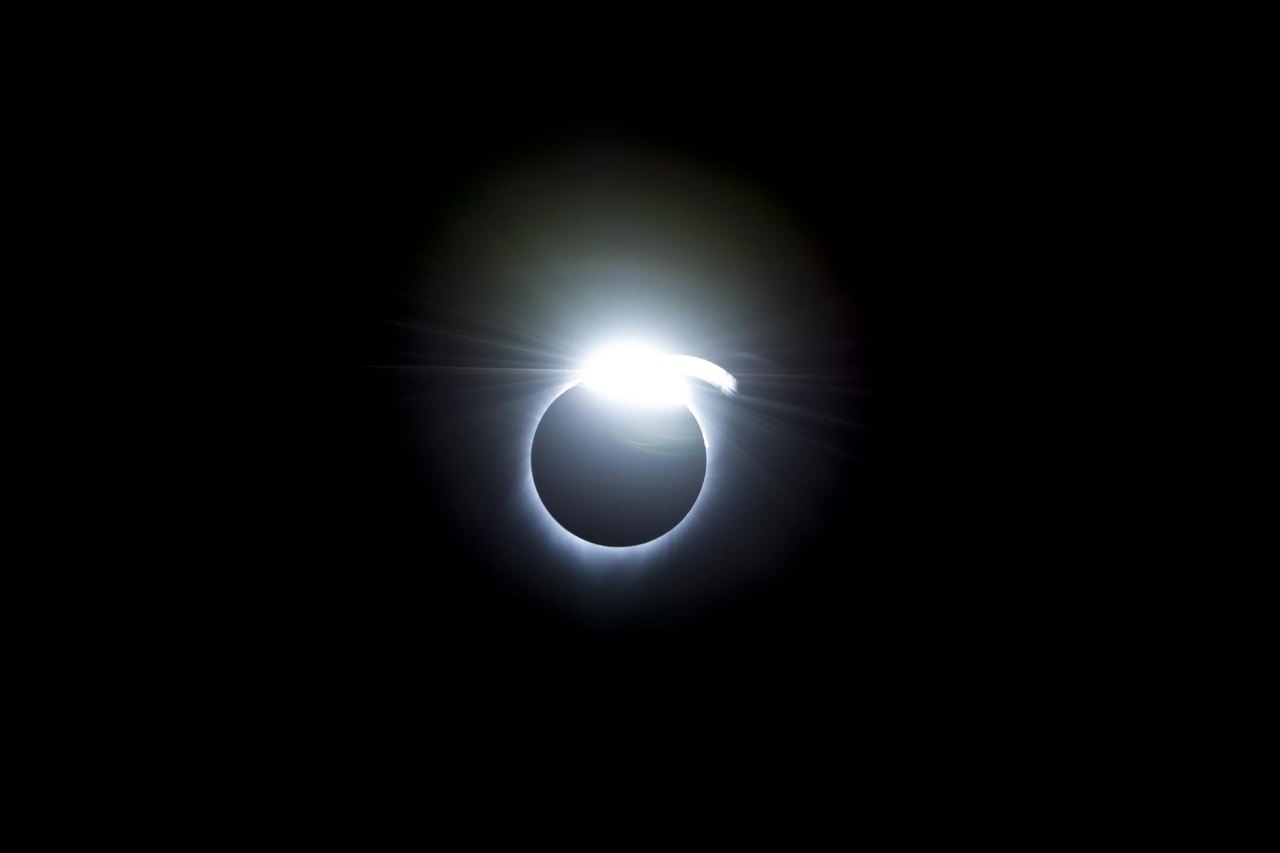
On September 14, 2026, the Moon will occult (pass in front of) Venus in broad daylight between 11:30 and 12:40 CEST. This event is visible with telescopes and even binoculars under clear skies, offering a rare opportunity for daytime astronomy enthusiasts to observe a planetary occultation. Following this, Neptune reaches opposition on September 26, marking its best visibility for the year.
Nancy Grace Roman Space Telescope Deployment
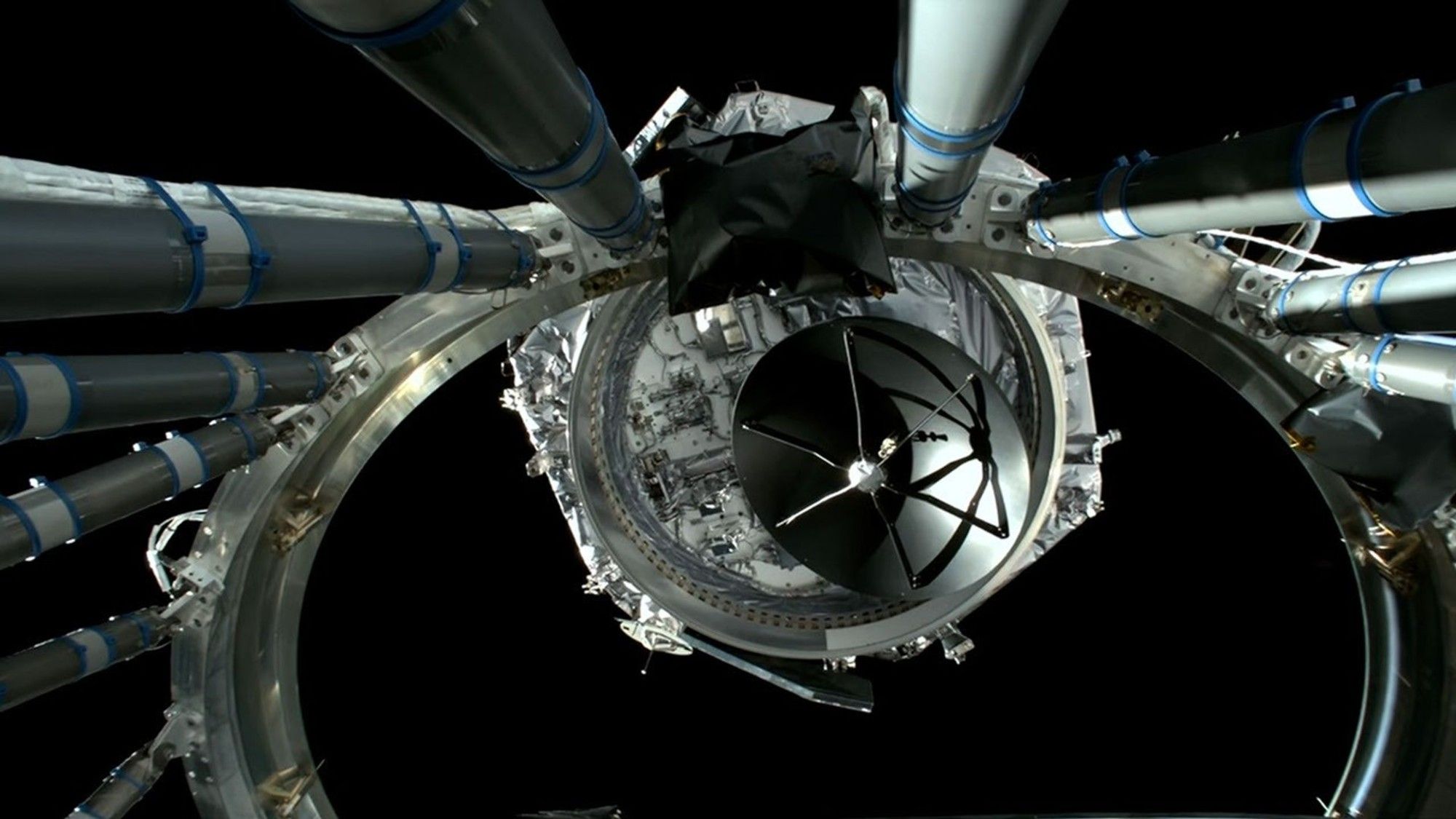
NASA released a stunning image of the Nancy Grace Roman Space Telescope deploying its sunshield after launch, captured as the "Space Photo of the Day" for August 31, 2026. This next-generation observatory will soon begin its mission to survey the sky in infrared, providing amateur astronomers with new targets and data sets for future observation planning.
September Skywatching Highlights: Venus at Peak Brilliance
NASA’s "What’s Up" column for September highlights that Venus reaches peak brilliance this month, making it the brightest object in the evening sky after sunset. Additionally, the Moon joins Jupiter in the morning sky for a close conjunction, and the zodiacal light returns as the seasons change. These events make September an ideal month for early evening and pre-dawn observations.
Geomagnetic Storms Subside After Late August Activity
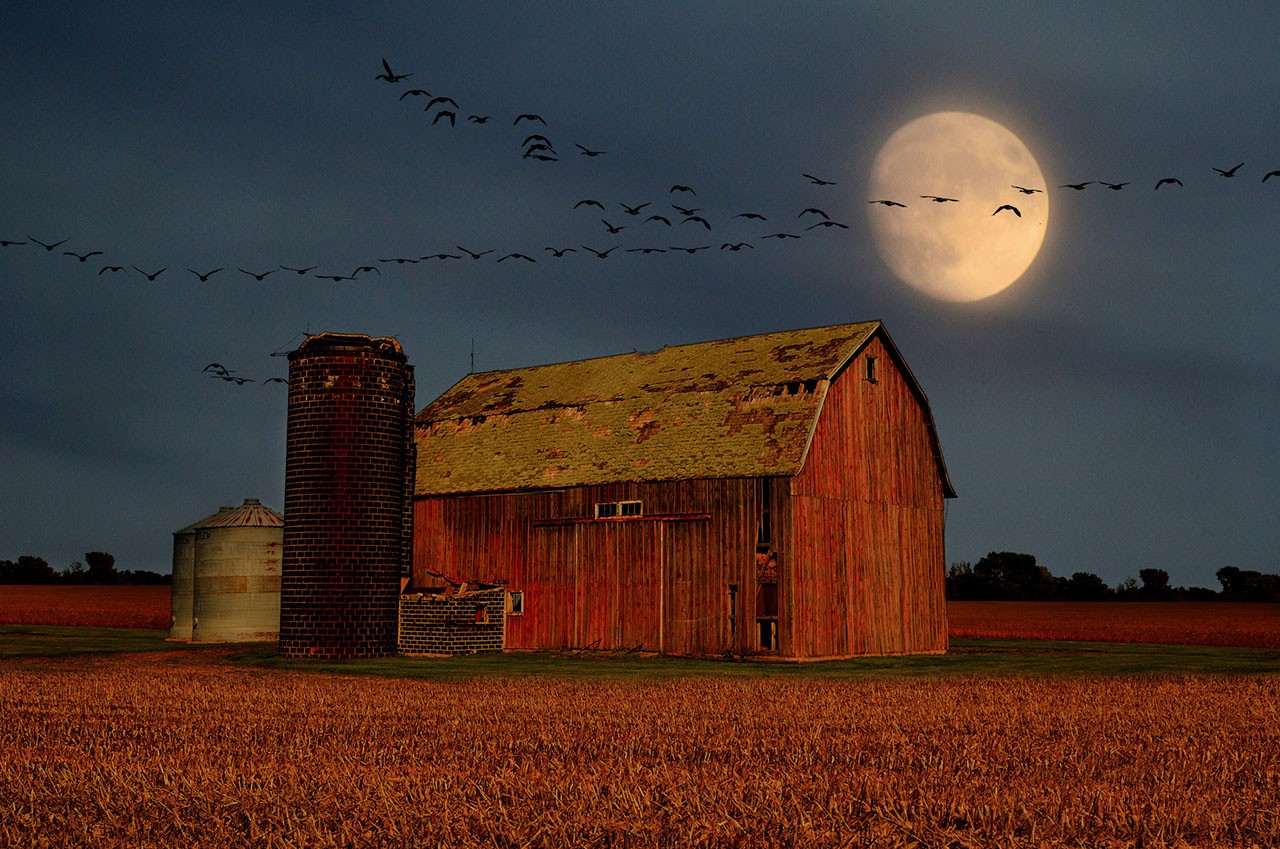
Following a G2 (Moderate) geomagnetic storm watch issued by NOAA for August 28–29, aurora visibility expanded to 22 U.S. states. As of early September, space weather conditions have stabilized, but experts note that the fall equinox often triggers increased geomagnetic activity, signaling the start of the prime season for northern lights viewing.

Local view
Japan: The Japanese astronomical community is transitioning from the Perseid meteor shower aftermath to observing the Aurigid meteor shower, which peaked on September 1. However, conditions were poor due to strong moonlight from the recent full moon (Sturgeon Moon), with a ZHR of only ~6 meteors per hour. Observers are advised to look toward the northeastern sky after midnight if clouds permit, though visibility remains challenging.
Context & numbers
- Aurora Visibility: During the late August storm, auroras were potentially visible as far south as 22 U.S. states due to Kp index levels reaching 5.67.
- Occultation Window: The Venus occultation on September 14 lasts approximately 70 minutes during daylight hours (11:30–12:40 CEST).
- Meteor Shower Intensity: The Aurigid shower peaked with a ZHR of 6, significantly lower than major showers like the Perseids, making it a minor event for casual observers.
On the radar
- Neptune at Opposition: September 26, 2026 – Best time to observe Neptune with a telescope.
- Saturn at Opposition: October 4, 2026 – Saturn will be closest to Earth and fully illuminated.
- Fall Equinox: Approaching late September – Historically associated with increased geomagnetic activity and potential aurora displays.
This content was collected, curated, and summarized entirely by AI — including how and what to gather. It may contain inaccuracies. Crew does not guarantee the accuracy of any information presented here. Always verify facts on your own before acting on them. Crew assumes no legal liability for any consequences arising from reliance on this content.
Powered by
