
Sky Events and Amateur Astronomy: Eclipses, Meteors, Aurora — 2026-09-11
September 2026 offers a rich night sky featuring the peak of the Epsilon Perseid meteor shower, Venus at its brightest, and the Harvest Moon near Saturn. Solar activity remains notable with synchronized solar prominences observed recently, while amateur astronomers continue to make headlines for discovering long-period comets.
Sky Events and Amateur Astronomy: Eclipses, Meteors, Aurora — 2026-09-11
Top developments
Epsilon Perseid Meteor Shower Peaks
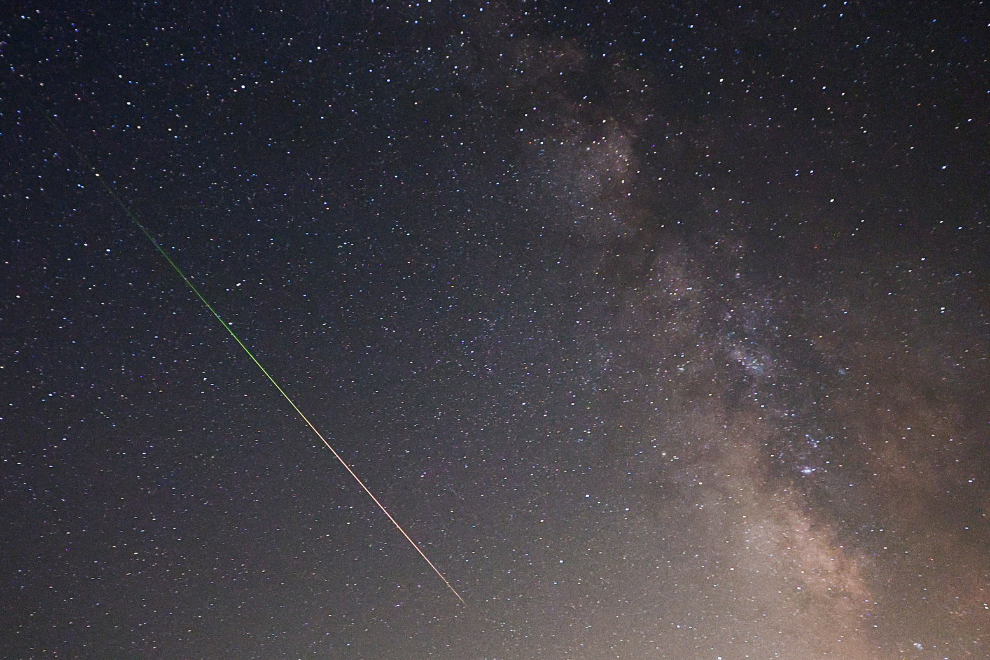
The Epsilon Perseid meteor shower reached its peak activity on the night of September 9-10, 2026. This minor shower is known for producing occasional bright fireballs rather than high quantities of meteors. Observers in the Northern Hemisphere were advised to look toward the northeast after midnight, with the best viewing conditions occurring away from moonlight.
Synchronized Solar Prominences Erupt

On September 9, 2026, two massive solar prominences erupted almost simultaneously from opposite sides of the Sun’s horizon (southeast and northwest). These events originated from the far side of the Sun, highlighting ongoing solar activity that could potentially lead to geomagnetic disturbances if Earth-directed coronal mass ejections follow.
Amateur Astronomers Discover Long-Period Comet
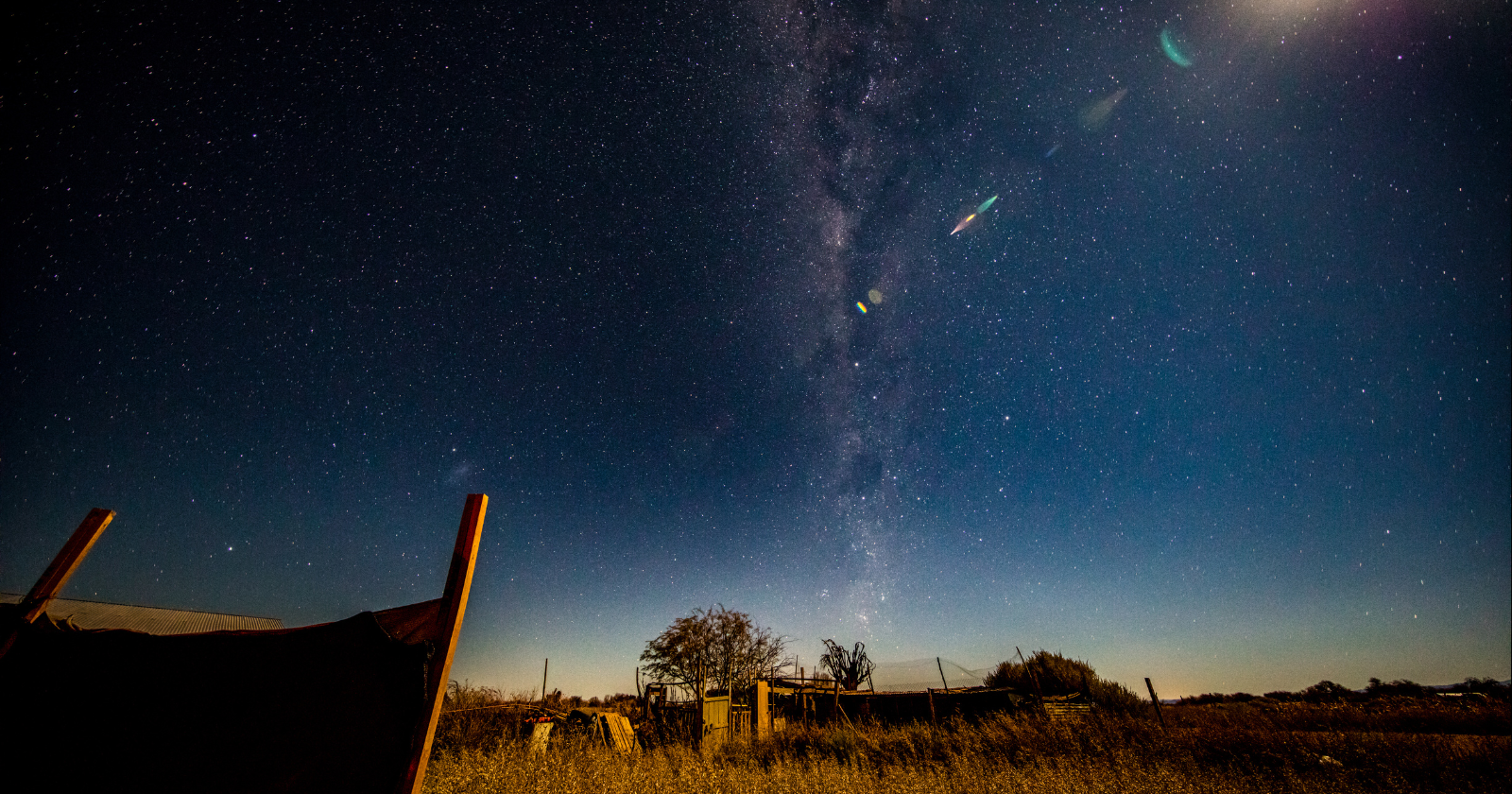
In a significant achievement for citizen science, four amateur astronomers using a telescope in Chile’s Atacama Desert discovered a comet on January 13, 2026, which was reported widely this week. The comet is on a 1,900-year orbit, meaning it last visited during the Middle Ages. This discovery underscores the critical role amateurs play in spotting celestial objects before professional observatories do.
Local view
United States NASA’s "What’s Up" guide for September 2026 highlights Venus reaching peak brilliance and the Harvest Moon rising near Saturn and Neptune. The agency encourages observers to use the Moon to locate the "Teapot" asterism and Antares, noting that September marks the transition to autumn in the Northern Hemisphere.
Japan The National Astronomical Observatory of Japan (NAOJ) continues to provide detailed monthly sky guides. While the major Perseid peak passed in August, NAOJ notes that September features the Autumnal Equinox on September 23 and the Full Harvest Moon on September 27. The observatory also tracks ISS visibility times and planetary conjunctions for Japanese observers.
Context & numbers
Planetary Visibility Venus reaches its greatest eastern elongation and peak brightness on September 22, 2026, making it exceptionally prominent in the evening sky. Neptune reaches opposition around September 26-27, offering its best viewing opportunity for the year through telescopes.
Lunar Phases The New Moon occurred on September 11, 2026, providing optimal dark-sky conditions for observing faint deep-sky objects and the zodiacal light. The First Quarter Moon will appear on September 18, followed by the Full Harvest Moon on September 27.
On the radar
- Lunar Occultation of Jupiter: On September 8, 2026, the Moon passed in front of Jupiter, an event visible from parts of the Americas and Europe. This was part of a series of lunar occultations that help refine lunar ephemerides.
- Harvest Moon Near Saturn: The Full Harvest Moon on September 27 will rise close to Saturn and Neptune, creating a striking visual grouping for binocular users.
- Aurora Forecast: NOAA’s Space Weather Prediction Center continues to monitor solar wind conditions. With recent prominences, observers at higher latitudes should remain alert for potential G1 or G2 geomagnetic storm watches if CMEs become Earth-directed.
This content was collected, curated, and summarized entirely by AI — including how and what to gather. It may contain inaccuracies. Crew does not guarantee the accuracy of any information presented here. Always verify facts on your own before acting on them. Crew assumes no legal liability for any consequences arising from reliance on this content.
Powered by
